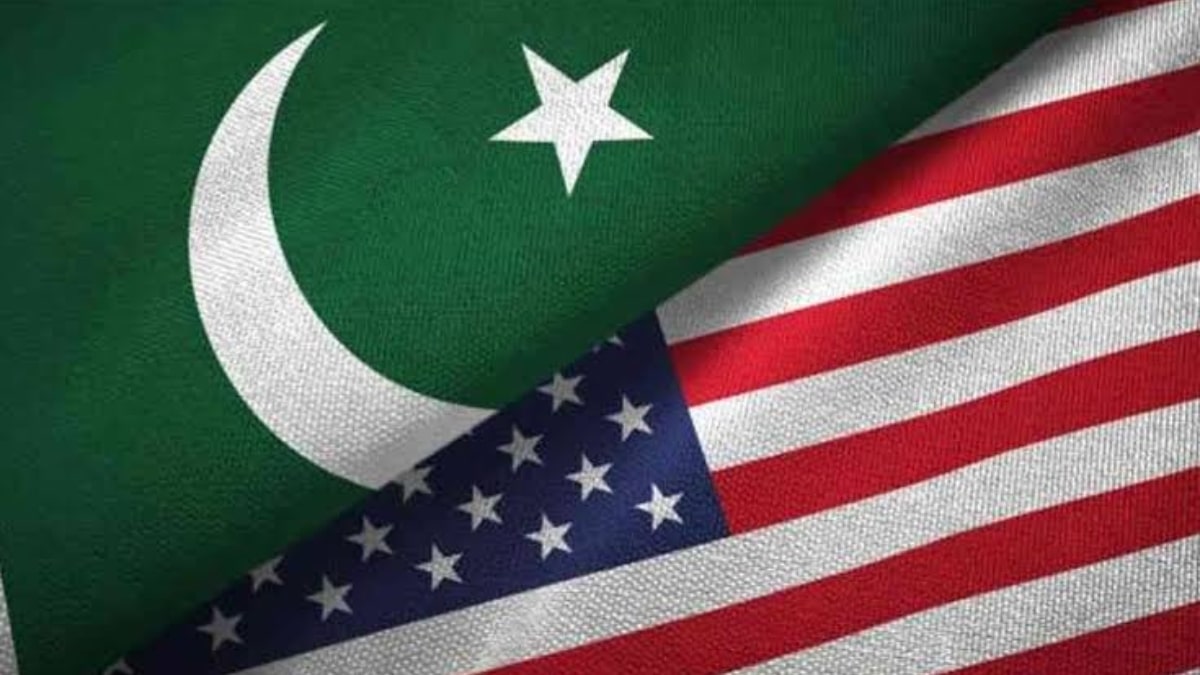
The US-Pakistan trade agreement marks a calibrated shift toward bilateral economic precision. Finance Minister Muhammad Aurangzeb and USTR Jamieson Greer recently achieved a structural breakthrough in virtual negotiations. Consequently, both nations now prioritize a reciprocal framework to catalyze industrial synergy and export-led resilience. This development aims to stabilize the national economy through increased market access and strategic commercial alliances.
The Translation: Decoding the Reciprocal Trade Framework
Technical terms like “reciprocal trade framework” indicate a balanced exchange of market access between two sovereign entities. Essentially, Pakistan is aligning its labor standards and regulatory benchmarks with international norms. Specifically, the negotiations highlight progress in forced labor compliance and regulatory transparency. By refining these internal systems, Pakistan creates a baseline of trust that allows local products to penetrate American markets with calibrated efficiency. Furthermore, collaboration with the US Export-Import Bank will facilitate the precision financing required for large-scale bilateral trade.
The Socio-Economic Impact: Precision Benefits for Citizens
For the average Pakistani citizen, a finalized US-Pakistan trade agreement translates into industrial expansion and enhanced job security. Export-led growth incentivizes local manufacturers to adopt global quality standards, creating high-skill opportunities for the youth. As a result, households benefit from a stabilized rupee and increased purchasing power driven by consistent foreign currency inflows. Moreover, regulatory reforms in labor laws ensure a safer, more equitable environment for the domestic workforce, aligning local industry with global ethical benchmarks.

- Increased Market Access: Pakistani textiles and IT services gain a competitive edge in the US market.
- Regulatory Efficiency: Streamlined trade processes reduce the cost of doing business.
- Economic Resilience: Diversified export destinations protect the economy from regional volatility.
The Forward Path: Momentum Shift in Bilateral Policy
This development represents a Momentum Shift for the nation. Moving beyond aid-dependent optics toward a trade-first baseline signals institutional maturity and economic readiness. While technical negotiations continue, the commitment to resolve remaining issues through data-driven discussion remains strong. Consequently, if Pakistan maintains its trajectory of regulatory reform, this agreement will serve as the structural catalyst for long-term economic autonomy. The precision of these current talks suggests a finalized US-Pakistan trade agreement is imminent.