

Pakistan’s economic landscape shifted significantly as Pakistan US imports surged by a remarkable 39 percent year-on-year, reaching a total of $3.27 billion in FY2025-26. This data, released by the State Bank of Pakistan, marks a calibrated transition in bilateral trade dynamics. While imports rose from $2.35 billion in the previous fiscal year, Pakistan’s exports to the United States remained robust, hitting $6.125 billion during the same period.
The North American Corridor: Analyzing the Surge in Pakistan US Imports
The United States remains the cornerstone of Pakistan’s trade strategy in North America. Currently, the US accounts for approximately 94 percent of the region’s total export share. Overall merchandise exports to North America grew marginally by 1.32 percent to $6.503 billion. However, the import sector demonstrated much higher volatility and growth. Imports from the North American region climbed 6.52 percent to $3.822 billion, driven primarily by high-demand American commodities and equipment.
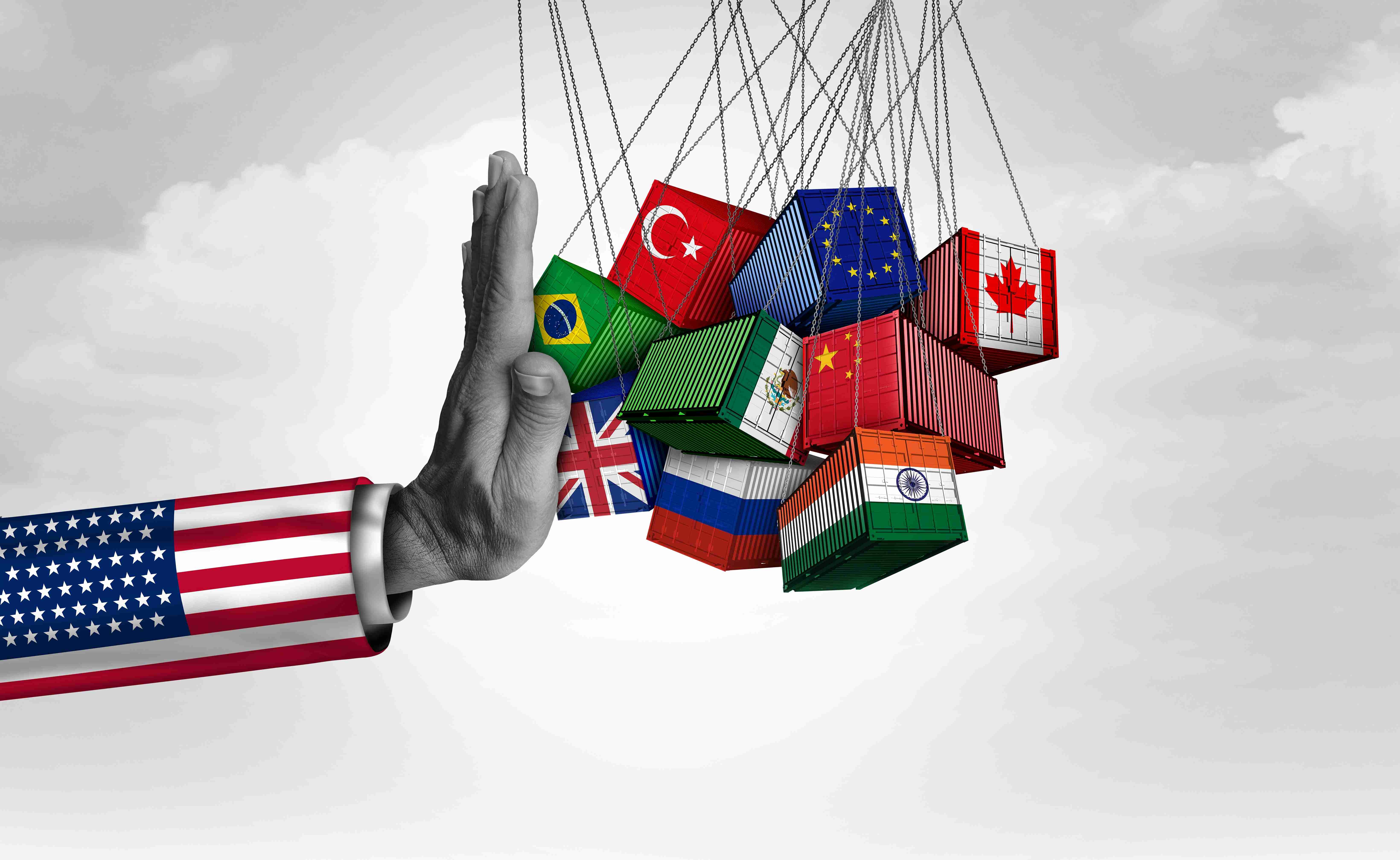
Conversely, trade with other regional partners showed a downward trend. Exports to Canada declined by 2.3 percent to $377.5 million, while shipments to Mexico also experienced a contraction. Despite these regional dips, the aggressive expansion of Pakistan US imports suggests a focused procurement strategy aimed at American markets, likely influenced by favorable reciprocal trade arrangements.
The Situation Room: Analysis for the Next Generation
The Translation (Clear Context)
The 39% spike in imports isn’t merely an increase in spending; it represents a structural realignment. New US trade policies, including specific tariff measures and reciprocal trade arrangements, have made American goods more competitive within the Pakistani market. Essentially, the “cost of entry” for high-quality US goods decreased, prompting Pakistani industries to pivot their supply chains toward American sources.
The Socio-Economic Impact
How does this trade surge affect the average Pakistani citizen? Increased imports from the US often include industrial machinery, high-tech components, and agricultural raw materials. For the local professional and student, this translates to improved industrial efficiency and potential access to better technology. However, the widening import bill requires a strategic balance to ensure that the increased flow of goods does not place undue pressure on the national foreign exchange reserves.
The Forward Path (Opinion)
This development represents a Momentum Shift. The move toward a reciprocal trade arrangement indicates that Pakistan is moving away from aid-dependency and toward a mature, trade-based relationship with the United States. To capitalize on this, Pakistan must now leverage this increased import volume to modernize its own manufacturing base, ensuring that future exports can match the quality and scale of these incoming American goods.








