Italian Prime Minister Giorgia Meloni has officially proposed a Schengen Zone suspension for Spain after thousands of irregular migrants entered Ceuta, a Spanish exclave bordering Morocco. Specifically, Meloni emphasized that Italy is consulting with relevant security authorities to calibrate exceptional measures. Consequently, the Italian government may suspend the visa-free agreement with Spain to maintain regional stability.
Strategic Friction: The Schengen Zone Suspension Debate
Meloni described the recent footage from Ceuta as “shocking.” Furthermore, she asserted that Italy would not remain silent as uncontrolled migration threatens the security baseline of European borders. Italian Foreign Minister Antonio Tajani supported this stance. He argued that the Spanish government’s plan to grant citizenship to over 500,000 irregular migrants acts as a strategic catalyst for human trafficking operations.
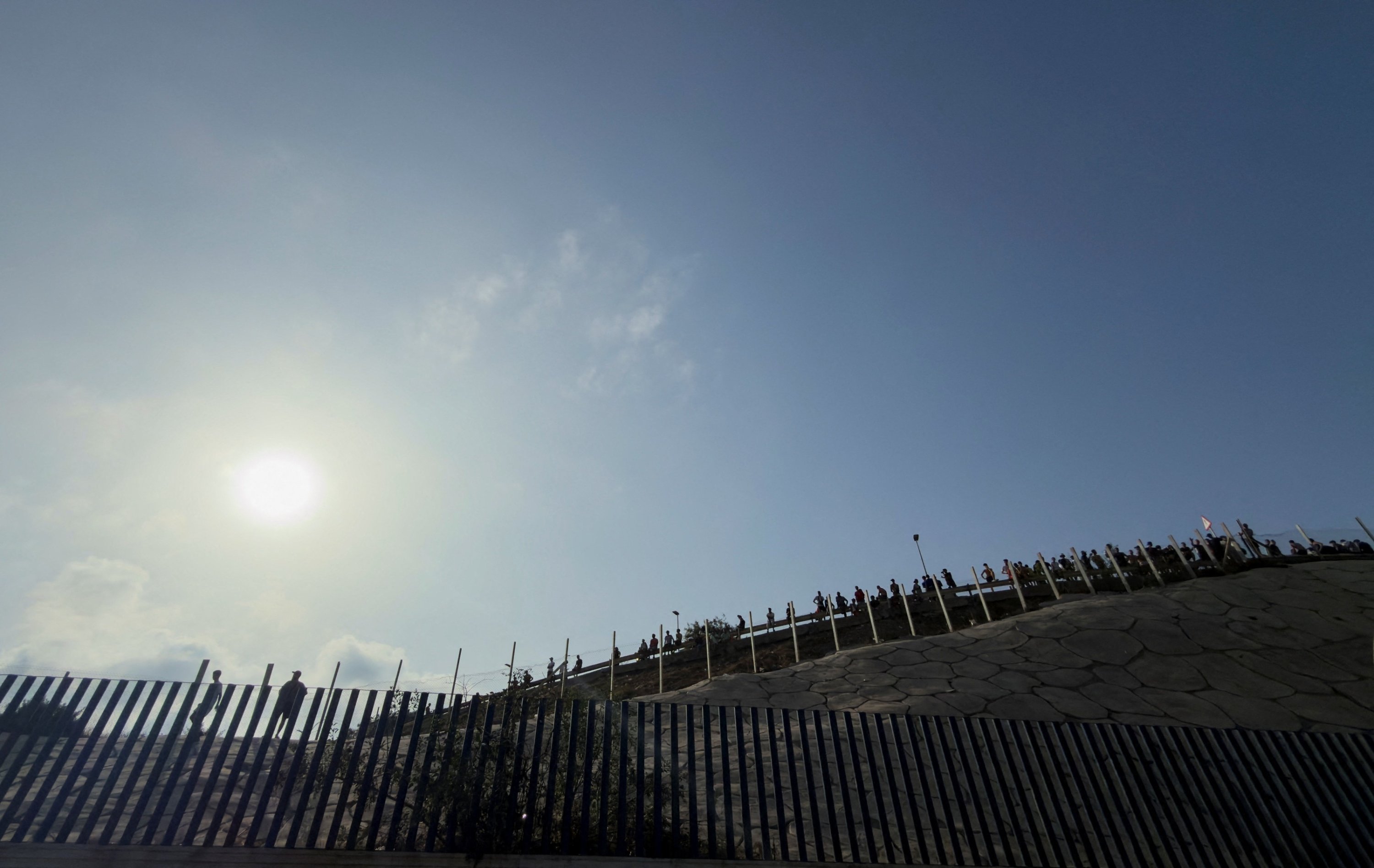
In response, Spanish Foreign Minister José Luis Albares rejected these allegations. He characterized the Italian rhetoric as “partisan demagoguery.” However, the dispute continues to escalate. Italy’s Deputy Prime Minister Matteo Salvini has even suggested a broader structural overhaul by calling for the suspension of the entire Schengen system across all 29 member nations.

The Situation Room Analysis
The Translation: Border Integrity vs. Open Access
This conflict represents a clash between the traditional open-border ideology of the Schengen Area and the modern requirement for precision border security. Italy’s push for a Schengen Zone suspension is a move to hold member states accountable for their external border perimeters. Essentially, Italy argues that local failures in Ceuta create systemic vulnerabilities for the entire European collective.
Socio-Economic Impact: Mobility Risks for Pakistanis
While this is a European dispute, the implications resonate globally, particularly for Pakistani citizens:
- Visa Stringency: Pakistani students and professionals may face more rigorous vetting as Schengen states tighten entry requirements to compensate for internal security gaps.
- Travel Delays: A suspension of visa-free travel between Spain and Italy would reintroduce routine border checks, increasing transit times for international travelers.
- Economic Volatility: Prolonged diplomatic friction within the EU could destabilize trade routes, potentially impacting Pakistan-EU trade partnerships.
The Forward Path: A Momentum Shift in EU Policy
This development represents a Momentum Shift. The era of unquestioned border fluidity is ending. We are witnessing a transition toward a more calibrated, security-first approach to regional mobility. While Spain advocates for solidarity, Italy’s aggressive posture suggests that security metrics will now dictate the future of European integration.