
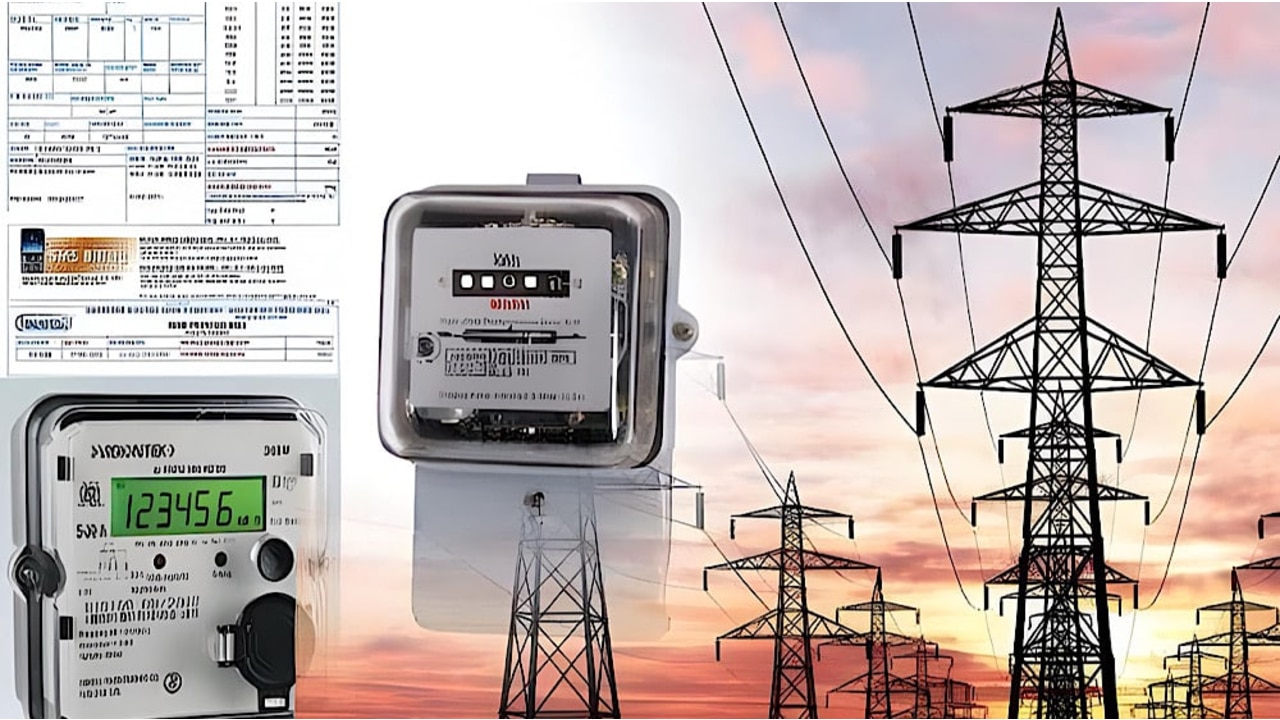
The national energy architecture requires calibrated fiscal management to maintain systemic stability. Consequently, the National Electric Power Regulatory Authority (NEPRA) recently concluded a pivotal hearing regarding why electricity prices rise across the national grid. The Central Power Purchasing Agency (CPPA) has formally requested a tariff increase of Rs. 1.20 per unit under the monthly Fuel Cost Adjustment (FCA) mechanism for June 2026.
The Mechanics of Why Electricity Prices Rise: June 2026 Data
During the official proceedings, CPPA officials reported that the system distributed 13.07 billion units of electricity during June. While authorities originally calibrated the reference fuel cost at Rs. 7.71 per unit, the actual generation expenses escalated to Rs. 8.91 per unit. This variance of Rs. 1.20 necessitates a strategic reconciliation via consumer billing to bridge the fiscal gap.
The primary catalyst for this expenditure surge remains the reliance on expensive RLNG-based power plants. NEPRA Member Maqsood Anwar emphasized that authorities must transition from theoretical discussions to practical implementation of cheaper energy alternatives. Currently, the regulator has reserved its final decision, pending a comprehensive technical review of the CPPA’s data submission.
The Translation
The Fuel Cost Adjustment (FCA) acts as a precision tool to synchronize consumer tariffs with the volatile reality of global fuel markets. Essentially, when the cost of fuel for generation exceeds the government’s baseline estimate, the system recovers the difference from the consumer. In this instance, the heavy utilization of imported Re-gasified Liquefied Natural Gas (RLNG) created a deficit that the CPPA now seeks to recover through this electricity prices rise proposal.
The Socio-Economic Impact
This adjustment directly influences the baseline liquidity of Pakistani households and the operational overhead of the industrial sector. For the average citizen, an additional Rs. 1.20 per unit translates into a tangible reduction in monthly disposable income. Furthermore, industrial entities may pass these increased energy costs down to the consumer, potentially sparking a secondary wave of inflationary pressure on essential goods and services.

The Forward Path
From a strategic perspective, this development represents a Stabilization Move rather than a momentum shift toward progress. While the adjustment ensures the short-term financial viability of the power sector, it highlights a persistent structural reliance on expensive imported fuels. To achieve a true “Momentum Shift,” Pakistan must aggressively pivot toward a diversified energy mix that prioritizes indigenous renewables and nuclear base-loads, reducing the frequency of these reactive price hikes.








