
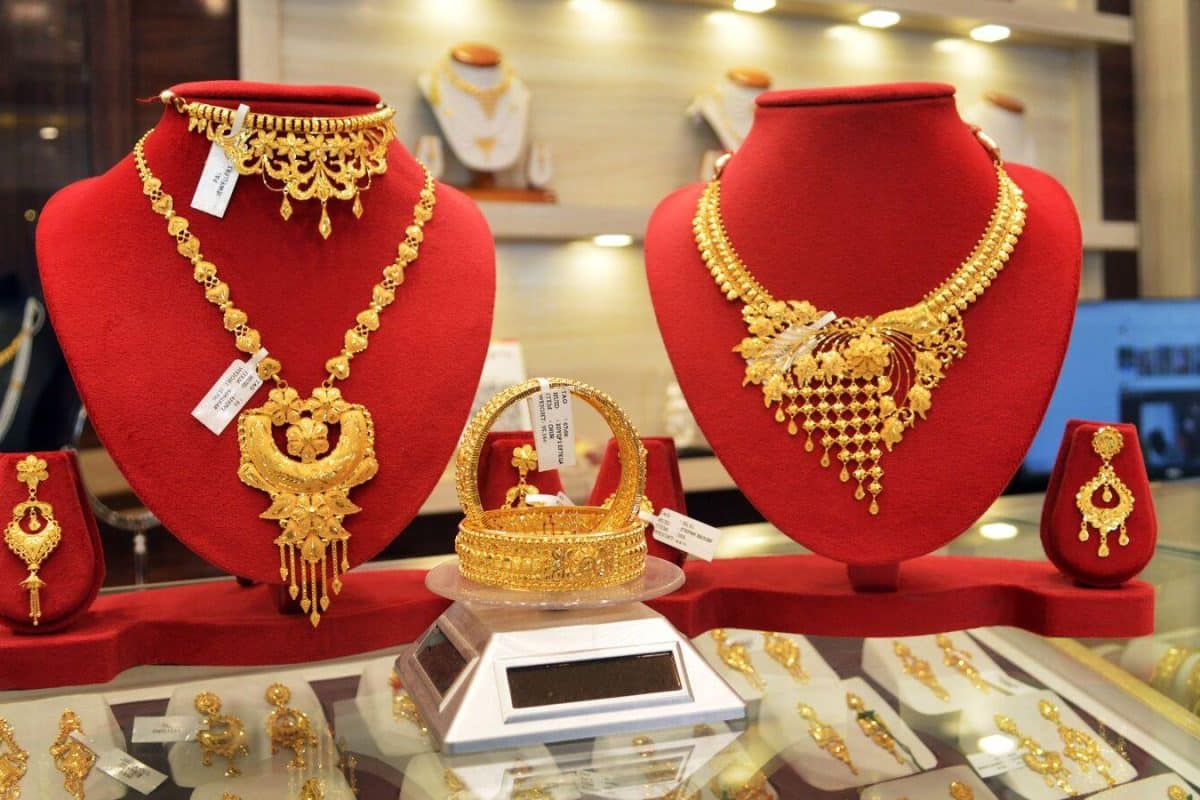
The global bullion market is undergoing a calibrated adjustment, directly influencing the domestic gold rate in Pakistan. For the second consecutive day, precious metal prices recorded a downward trajectory as international benchmarks shifted. This sequence of declines suggests a brief period of price discovery after recent volatility.
Analyzing the Current Gold Rate in Pakistan
According to the latest data from the All Pakistan Sarafa Gems and Jewelers Association, the gold rate in Pakistan fell by Rs. 1,000 per tola on Wednesday. Consequently, the price settled at Rs. 426,436. This move follows a significant loss on Tuesday, where the market shed Rs. 4,300, indicating a cumulative cooling phase in the local bullion sector.
- 24K Gold per Tola: Rs. 426,436 (Decreased by Rs. 1,000)
- 10-Gram Gold: Rs. 365,600 (Decreased by Rs. 857)
- International Gold: $4,040 per ounce (Decreased by $10)
- Silver per Tola: Rs. 6,291 (Increased by Rs. 68)
The Translation (Clear Context)
The logic behind this shift is structural. Market forces calibrate the domestic gold rate in Pakistan based on two primary variables: the international price per ounce and the USD-PKR exchange parity. While silver saw a marginal increase, gold reacted sharply to the $10 drop in global markets. This precision in price adjustment ensures that local rates remain synchronized with the international baseline.
The Socio-Economic Impact
How does this change the daily life of a Pakistani citizen? For households and investors, gold serves as a primary vehicle for capital preservation. A downward correction in the gold rate in Pakistan offers a strategic entry point for middle-income families preparing for wedding seasons. Conversely, professional traders must navigate this volatility with precision, as rapid fluctuations impact the liquidity of jewelry-based assets.
The Forward Path (Opinion)
This development represents a Stabilization Move. After a period of aggressive price hikes, the current decline suggests the market is finding a sustainable baseline. While the short-term dip is beneficial for consumers, the long-term outlook remains dependent on global economic indicators. We anticipate a period of consolidation before the next major momentum shift in the commodity cycle.








