
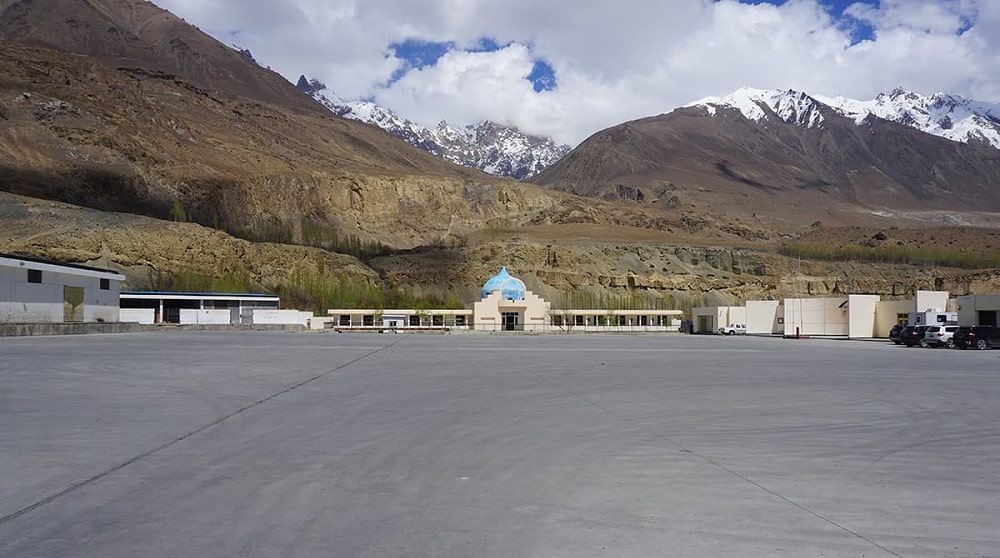
The structural realignment of Pakistan’s logistics framework acts as a critical catalyst for national economic sovereignty. Recently, the government directed the National Logistics Corporation (NLC) to transform the Sost Dry Port into a strategic Regional Trade Hub. This recalibration aims to accelerate trade connectivity between Pakistan, China, and Central Asia. By establishing forward transit trade centers in Turkmenistan, Uzbekistan, and China, the state is positioning its infrastructure as a high-efficiency corridor for international markets.
Architectural Upgrades for a Regional Trade Hub
Federal Minister for Planning Ahsan Iqbal chaired the 68th National Logistics Board meeting to finalize these directives. During the session, NLC officials highlighted their operational progress in diversifying export opportunities and establishing international trade corridors. Consequently, the board reviewed several new projects designed to upgrade logistics infrastructure and support value-added agricultural exports. The strategic expansion of the Sost Dry Port remains the baseline for deepening regional integration under the CPEC framework.
Modern logistics serves as the backbone of a competitive economy and resilient supply chains. Precision in transport networks and digital logistics systems successfully reduces business costs and delivery times. Furthermore, the government plans to establish an international-standard driving academy. This facility will produce skilled commercial drivers who possess foreign language education. These specialists will improve communication with international partners, ensuring high-performance operations across the CPEC routes.
The Translation: Contextual Logic
The government is moving beyond traditional “trucking” toward an integrated logistics ecosystem. By directing the NLC to build “forward transit trade centers” in places like Kashgar and Termez, Pakistan is effectively extending its economic borders. This strategy ensures that Pakistani goods do not just reach the border; they flow seamlessly into the heart of Central Asian markets. The focus on a “strategic gateway” at Sost means the border will transition from a simple checkpoint into a high-tech processing and export zone.
The Socio-Economic Impact
This development directly influences the daily lives of Pakistani citizens through systemic efficiency. For professionals and students in the Gilgit-Baltistan region, the driving academy and trade hub offer specialized employment in high-tech logistics. For rural farmers, the focus on agricultural value addition means their products can reach global markets faster without spoiling. Households across urban Pakistan will benefit from reduced costs of imported goods as logistics become more streamlined and digitalized.
The Forward Path: Strategic Analysis
This initiative represents a significant Momentum Shift for Pakistan’s economic architecture. Rather than maintaining the status quo, the state is actively pursuing export-led growth through structural logistics reform. The integration of language training and international certification for drivers shows a calibrated approach to human capital development. If executed with precision, this plan will solidify Pakistan’s position as the primary transit node for the region’s land-locked economies.








