
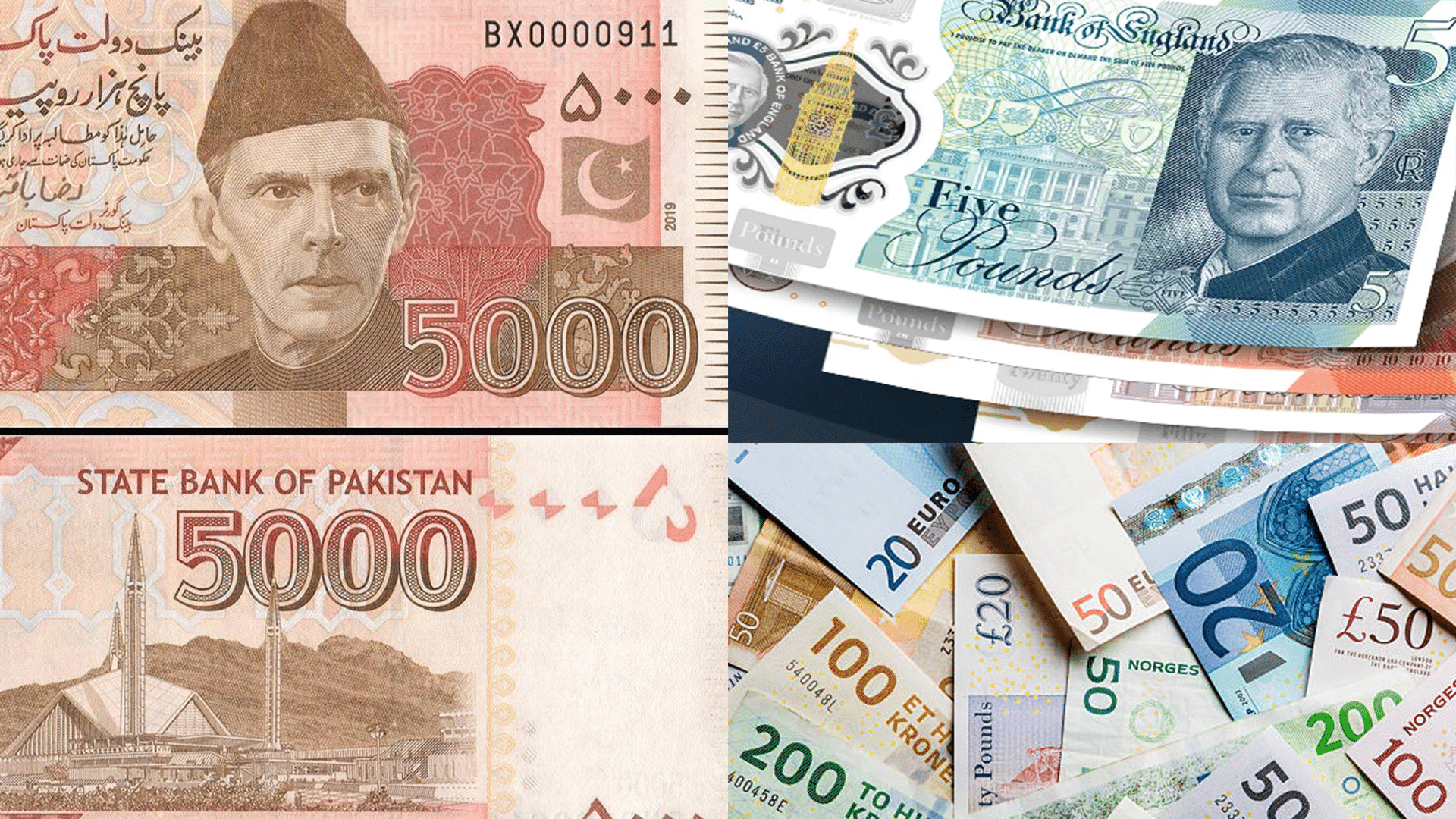
The structural stability of the Pakistani Rupee Performance reflects a calibrated trend in the national economy, maintaining a green close against the US Dollar (USD) for the 207th consecutive day. This precision in market movement signals a strategic baseline for fiscal predictability. Consequently, the PKR concluded Tuesday’s session at 277.85, securing a one-paisa gain against the USD and extending a streak that began on December 25, 2025.
Analyzing the Pakistani Rupee Performance Against Global Standards
While the USD remains the primary benchmark, the Pakistani Rupee demonstrated significant tactical gains against other major international currencies. Specifically, the currency surged by 94 paisas against the British Pound (GBP) and 74 paisas against the Euro (EUR). These movements suggest a broader market reversal that strengthens the Rupee’s position in the global basket.
Strategic Gains in the International Basket
Data from the latest trading session highlights widespread appreciation across multiple regions. The PKR achieved the following results:
- British Pound (GBP): Gained 94 paisas to close at 369.57.
- Euro (EUR): Appreciated by 74 paisas, reaching 315.91.
- Australian Dollar (AUD): Secured a 91-paisa increase, closing at 193.67.
- Canadian Dollar (CAD): Rose by 30 paisas to end at 196.85.
- Regional Stability: Maintained equilibrium against the UAE Dirham (AED) and Saudi Riyal (SAR).
The Situation Room: Economic Architecture
The Translation
A 207-day streak of stability is not a random market event; rather, it is a calibrated result of disciplined monetary policy and managed liquidity. By neutralizing the volatility of the USD, the central authorities have created a “buffer zone” that allows the PKR to react more favorably to fluctuations in European and Commonwealth currencies.
The Socio-Economic Impact
For the average Pakistani household, this performance acts as a catalyst for price stabilization in imported commodities. When the Rupee gains against the Euro and Pound, the cost of industrial machinery, specialized medicine, and educational services from these regions becomes more manageable. Furthermore, it reduces the baseline inflationary pressure on the energy sector over time.
The Forward Path
This development represents a Momentum Shift. The consistent ability to outperform a diverse basket of currencies suggests that the Rupee has moved beyond mere defensive stabilization. If this structural precision continues, it could provide the necessary fiscal headroom for more aggressive economic reforms and infrastructure investment.








