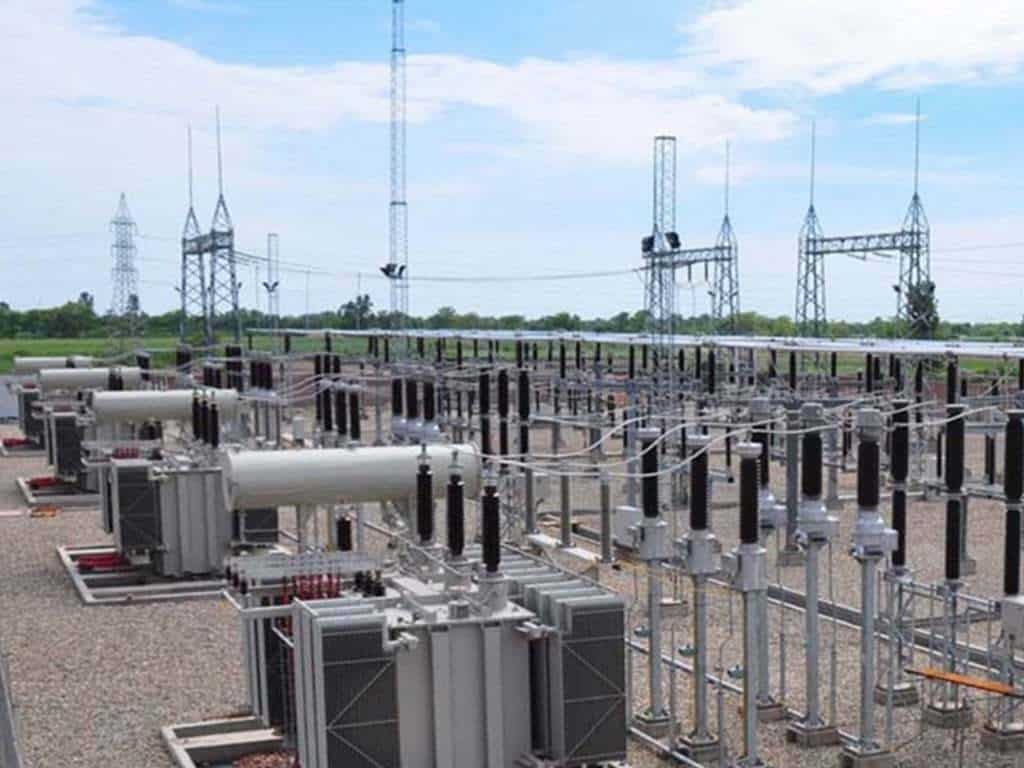
Structural efficiency serves as the baseline for national progress. Pakistan recently accelerated its power plant privatization strategy by approving restructuring plans for three major electricity distribution companies: FESCO, GEPCO, and IESCO. This calibrated move aims to maximize asset value and catalyze private sector investment into the national energy grid.
Engineering a Leaner Energy Infrastructure
The Privatisation Commission Board, chaired by Adviser Muhammad Ali, recommended a specialized legal framework to facilitate the transaction. Consequently, the government will establish a Special Purpose Vehicle (SPV) to isolate specific assets and liabilities. This structural maneuver creates a cleaner balance sheet, making the power plant privatization process significantly more attractive to global and local investors.

Furthermore, the Board based these restructuring plans on audited financial data from March 2026. By utilizing precise financial baselines, the commission ensures transparency. This precision-driven approach reduces investor risk and maximizes the public value derived from these essential utility assets.
Strategic Timelines for Global Investors
International and domestic stakeholders have already expressed strong interest in this first batch of DISCOs. Therefore, the commission established strict deadlines for Expressions of Interest (EOIs). Investors must submit bids for FESCO by August 7, GEPCO by August 21, and IESCO by September 7. These deadlines represent a focused timeline to stabilize the energy sector’s financial health.

In addition to energy reforms, the Board is streamlining transport infrastructure. Specifically, they formed transaction committees to oversee the outsourcing of major airports in Islamabad, Lahore, and Karachi. The Asian Development Bank (ADB) currently serves as the financial lead for the Islamabad International Airport project.

The Translation: De-Risking the Grid
In technical terms, the creation of a Special Purpose Vehicle (SPV) is a de-risking mechanism. Instead of asking investors to take on decades of old debt and legal entanglements, the government “carves out” the productive assets into a new, clean entity. This makes the purchase simple and the potential for profit clearer, which ultimately drives the sale price higher for the national treasury.

The Socio-Economic Impact: What it Means for You
For the average Pakistani citizen, this shift targets the root cause of “circular debt” and high electricity bills. Private management typically introduces advanced metering and reduces technical losses. Consequently, households can expect more reliable power delivery. Efficiently managed DISCOs reduce the government’s subsidy burden, freeing up national funds for education and healthcare infrastructure.

The Forward Path: A Momentum Shift
This development represents a Momentum Shift. Moving beyond mere discussion into the actual formation of SPVs and setting firm EOI deadlines indicates a disciplined execution of policy. While stabilization is the immediate goal, the entry of private expertise into the energy distribution grid is a necessary catalyst for long-term industrial modernization in Pakistan.