

Systemic urban efficiency relies on the calibrated transition of the informal economy into productive labor markets. Lahore Traffic Police recently initiated a strategic beggar rehabilitation project to establish a “zero-begging Punjab.” This framework focuses on social reintegration through precision-targeted vocational training and fiscal support for marginalized individuals across the city.
Strategic Framework for Economic Reintegration
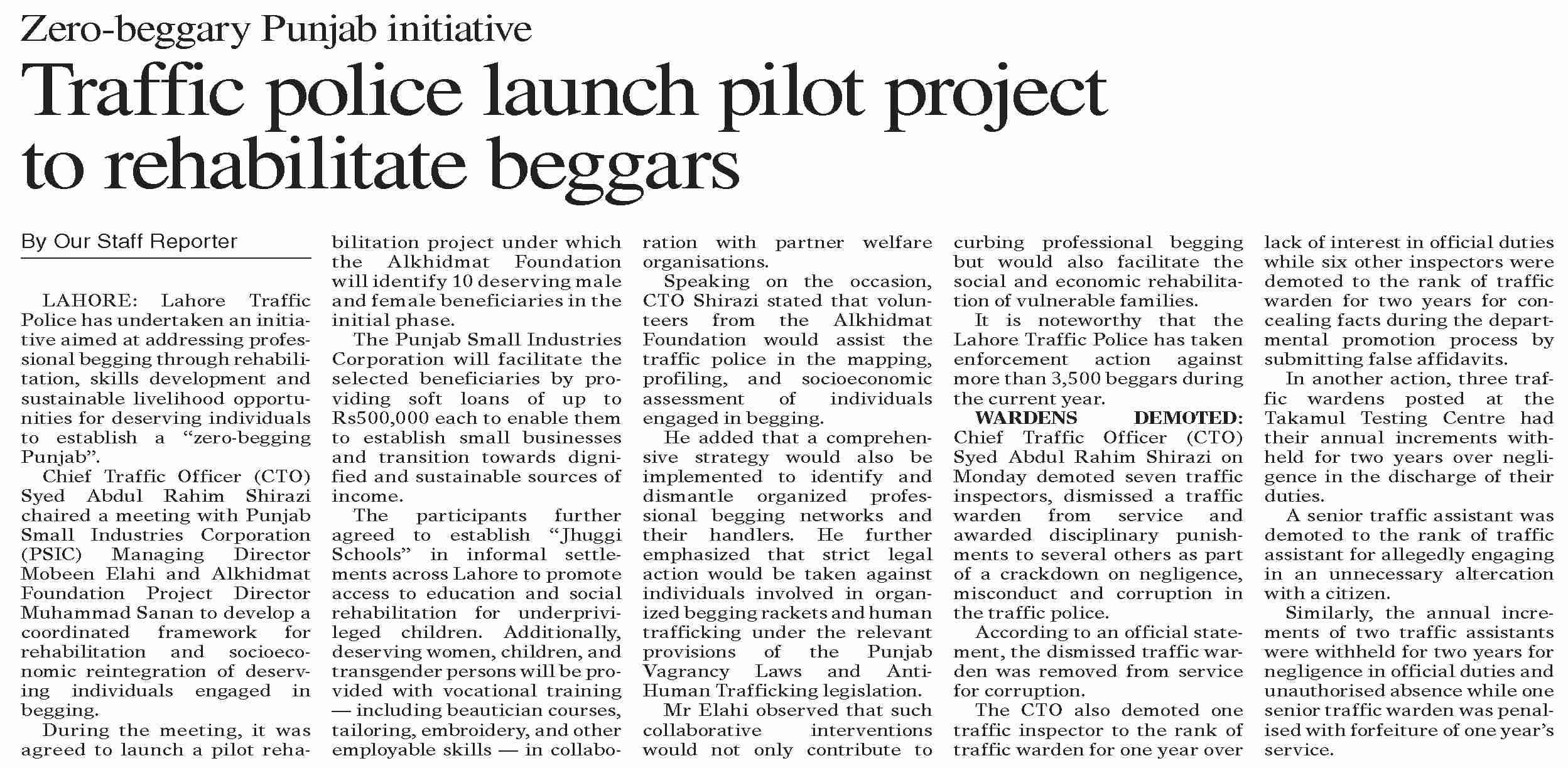
Chief Traffic Officer Syed Abdul Rahim Shirazi orchestrated a high-level meeting with the Punjab Small Industries Corporation and Alkhidmat Foundation to engineer this social transition. Consequently, the Alkhidmat Foundation will identify ten candidates for the initial pilot phase. The Punjab Small Industries Corporation will then provide soft loans of up to Rs500,000 to each individual. These funds act as a catalyst for small business development, ensuring a sustainable baseline income for participants.
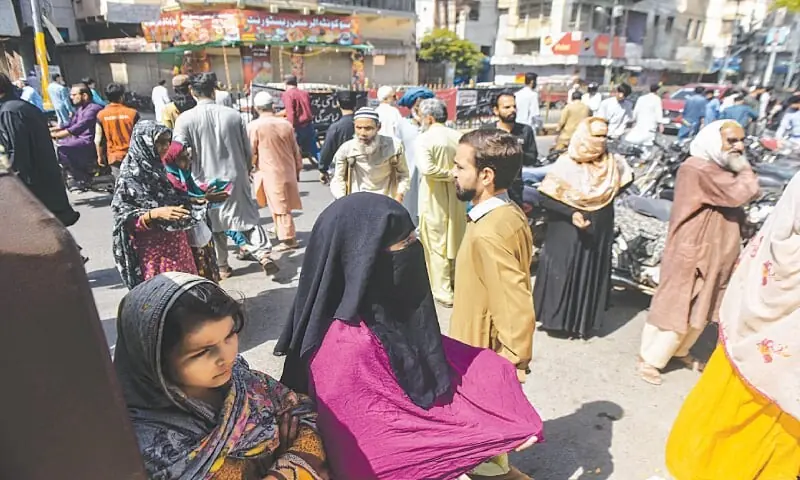
Educational Infrastructure and Vocational Training
The project extends beyond financial aid to include structural educational reforms. The participants agreed to establish “Jhuggi Schools” within informal settlements to provide underprivileged children with essential academic access. Furthermore, women and transgender persons will receive vocational training in specialized fields:
- Professional Tailoring: Mastery of garment construction for local markets.
- Beautician Skills: Training in high-demand salon services.
- Embroidery Art: Preservation and monetization of traditional craftsmanship.
_akhbar.jpg)
The Translation: Decoding Systemic Reform
This beggar rehabilitation project represents a structural pivot from punitive enforcement to resource-based empowerment. By providing significant capital and specialized skills, the state effectively converts a social liability into a functional economic asset. The logic is clear: stabilization occurs when individuals possess the tools for self-sufficiency rather than relying on inconsistent charity.
Socio-Economic Impact: Uplifting the Daily Baseline
For the average Pakistani citizen, this initiative reduces the daily friction of urban commutes and enhances public safety. For the participants, it provides a bridge from survival-based begging to dignity-based entrepreneurship. The “Jhuggi Schools” are particularly critical, as they prevent the intergenerational transmission of poverty by equipping the next generation with literacy and modern skills.
The Forward Path: Momentum Shift or Maintenance?
We categorize this development as a Momentum Shift. While the initial pilot involves a small cohort, the integration of micro-finance and educational frameworks suggests a scalable model for national advancement. Furthermore, the Lahore Traffic Police continues to maintain discipline within its own ranks. Chief Shirazi recently demoted seven inspectors and dismissed one warden for negligence, ensuring that the internal system remains as calibrated as the external reforms.








