
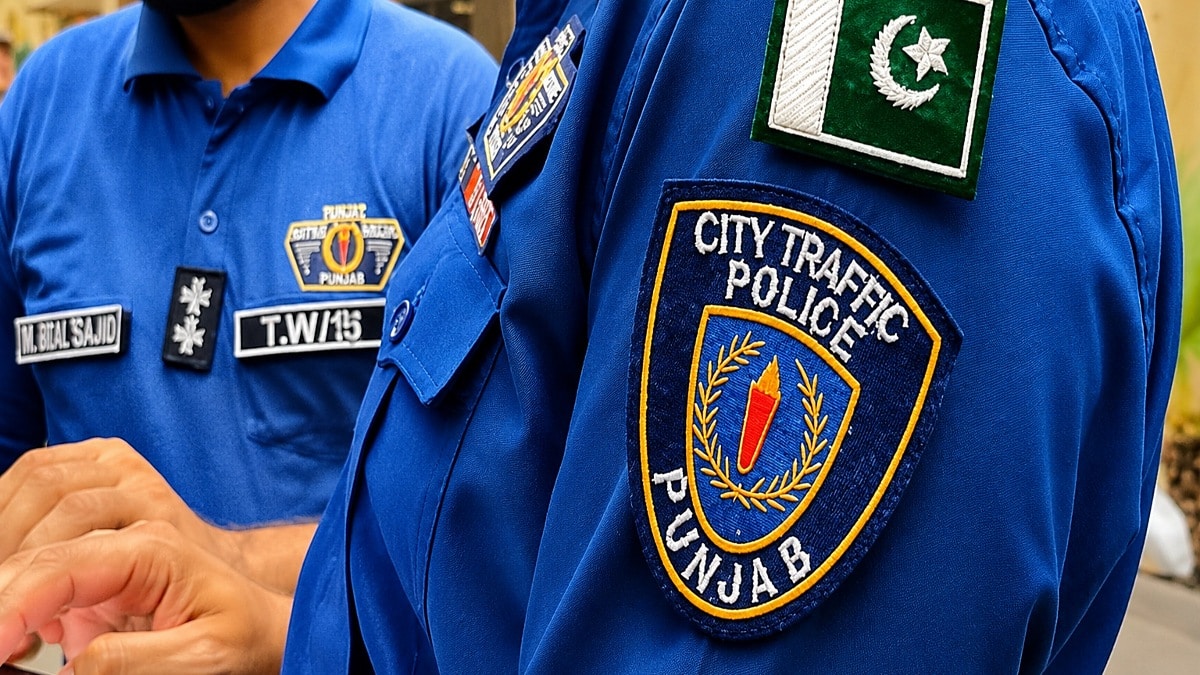
The Punjab Traffic Police recently initiated a calibrated Traffic Warden System across five major urban centers to catalyze regional mobility. This strategic overhaul targets Lahore, Rawalpindi, Faisalabad, Multan, and Gujranwala to establish a baseline for modern governance. Consequently, the department aims to transition from traditional policing toward a high-precision, service-oriented framework.
Calibrating the Traffic Warden System for Urban Centers
To strengthen the structural integrity of this force, the administration recruited a diverse cohort of specialists. Consequently, doctors, engineers, and IT professionals now provide the technical expertise required for advanced traffic management. Furthermore, Muhammad Waqas Nazir, Head of Punjab Traffic Police, emphasized that these human capital investments honor the sacrifices of fallen personnel while modernization serves the future.
Nazir further praised the contributions of injured and retired officers. He described these veterans as a valuable asset to the force’s collective experience. Consequently, the department remains committed to recognizing their service as they pivot toward a more automated and precision-driven operational model.
The Translation (Clear Context)
This shift represents a fundamental redesign of the Traffic Warden System from a purely punitive model to a technical operation. By integrating STEM professionals, the department treats traffic flow as a data problem rather than a manual task. Consequently, technology and expert analysis now dictate how the force deploys resources to minimize congestion and maximize safety across Punjab’s busiest corridors.
The Socio-Economic Impact
For the average citizen, this calibrated system directly reduces the economic cost of time lost in transit. Improved traffic flow in major hubs like Lahore and Multan increases productivity for students and professionals alike. Furthermore, organized traffic systems lower fuel consumption and vehicle maintenance costs, providing a tangible benefit to household budgets across urban Pakistan.
The Forward Path (Opinion)
Next Generation Pakistan views this development as a significant Momentum Shift. Integrating specialized talent into law enforcement is a catalyst for systemic efficiency. However, the long-term success of the Traffic Warden System depends on the consistent maintenance of these digital infrastructures and the sustained integration of technical personnel into leadership roles to ensure the progress remains structural rather than superficial.








