
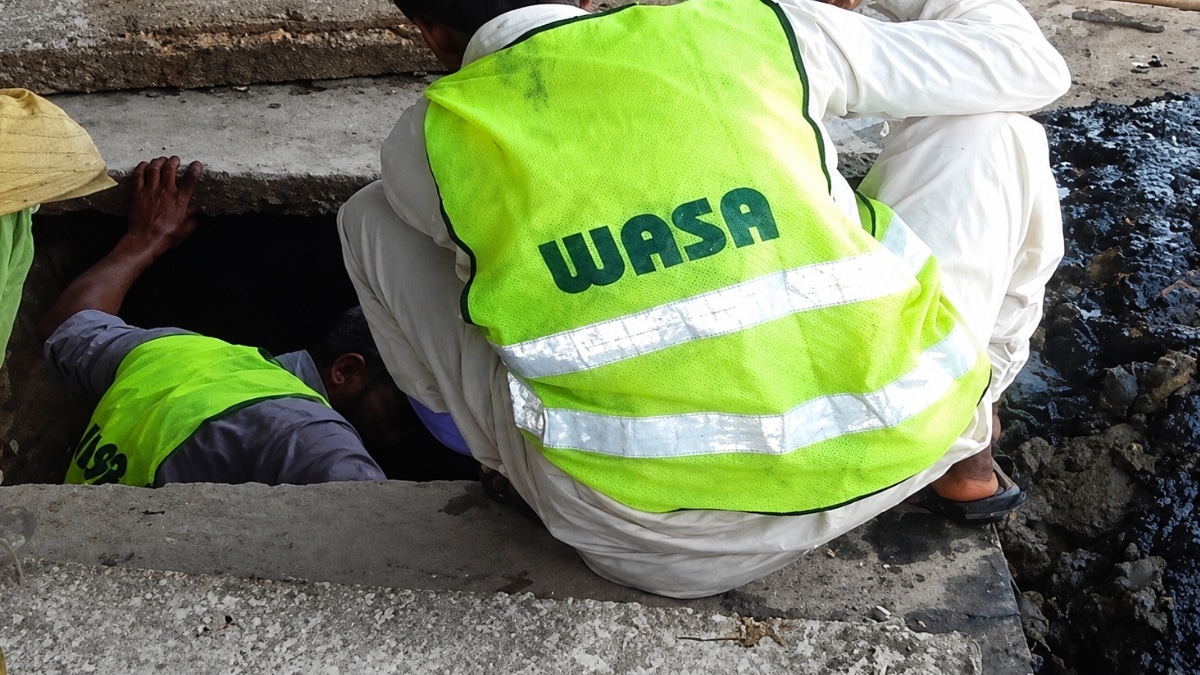
National infrastructure scalability remains tethered to the integrity of its operational protocols, yet the recent loss of lives in Punjab signifies a structural failure in sanitation worker safety. Two Water and Sanitation Agency (WASA) personnel perished in the Vehari district during a routine sewer maintenance operation. Consequently, this tragedy highlights a critical precision gap between existing safety mandates and field execution. To build a modern Pakistan, we must calibrate our municipal systems to protect the human catalyst at all costs.
The Incident: A Breakdown in Operational Logic
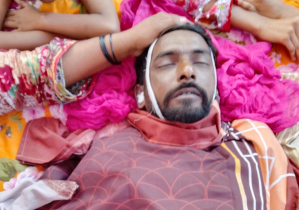
The tragedy occurred near the Old Lorry Adda area. Initial reports indicate that the two workers entered the manhole using only a rope, lacking any calibrated protective equipment or gas detection sensors. During the descent, the rope slipped, causing both men to fall into the hazardous environment where they succumbed to toxic conditions. Rescue teams eventually recovered the bodies and transported them to the District Headquarters (DHQ) Hospital. Both victims were residents of the Khanewal district, performing high-risk duties without a structural safety net.
The Situation Room Analysis
The Translation: Technical Breakdown
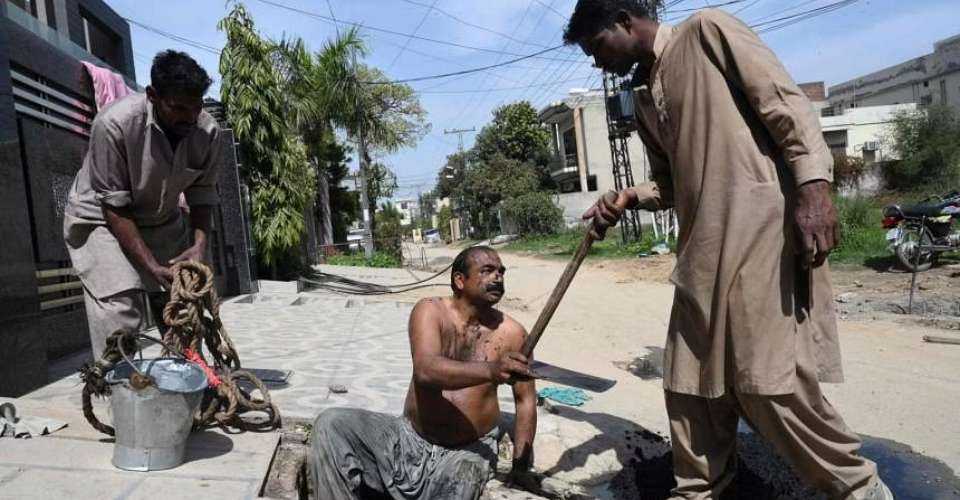
In technical terms, this incident represents a failure in Occupational Health and Safety (OHS) baseline compliance. The use of a simple rope for deep-entry sewer cleaning is an archaic, non-engineered method. Specifically, modern sanitation standards require self-contained breathing apparatus (SCBA), gas monitors, and mechanical winches. When these technical layers are absent, the system shifts from a controlled maintenance operation to a high-probability failure event. The lack of sanitation worker safety gear is not merely an equipment shortage; it is a logic error in municipal management.
The Socio-Economic Impact
The death of these workers ripples through the local economy of Khanewal. Primarily, these individuals often serve as the sole breadwinners for their households. Their loss creates a vacuum in family stability and increases the burden on communal social safety nets. Furthermore, frequent fatalities in the sanitation sector discourage skilled labor from entering the field. This attrition ultimately reduces the overall efficiency of our urban drainage systems, leading to higher long-term costs for every Pakistani citizen in both health and infrastructure maintenance.
The Forward Path: Strategic Momentum
This development represents a Momentum Shift requirement. We cannot maintain the status quo and expect a “Next Gen” Pakistan. The state must transition from manual, high-risk labor to mechanized sewer maintenance. Strategic investment in “No-Dig” technology and remote-operated cleaning robots would eliminate human exposure to toxic fumes entirely. Precision-driven policy must now mandate that no WASA employee enters a confined space without a multi-gas detector and a certified mechanical harness. Only through these structural upgrades can we ensure that national progress does not come at the cost of human life.








