
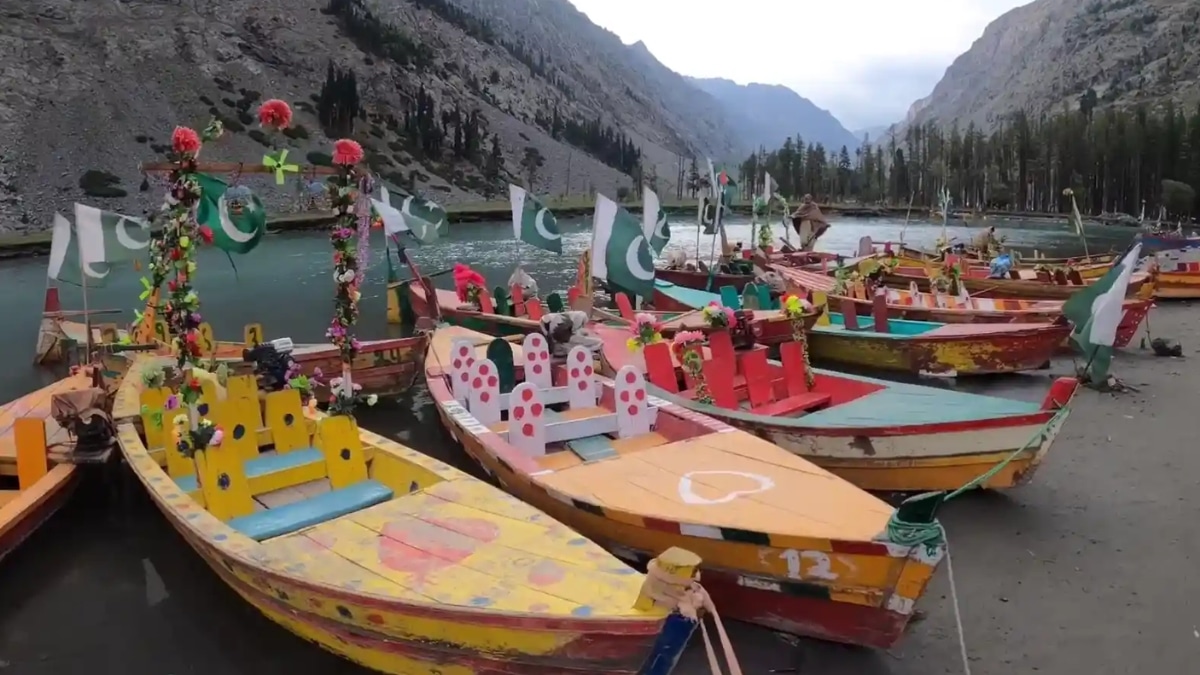
The Upper Swat district administration has initiated a calibrated safety audit of all maritime vessels operating within the region to mitigate rising drowning risks. This structural intervention mandates that all commercial boats undergo rigorous fitness inspections to ensure they align with modernized KP boat safety protocols. Consequently, authorities will immediately decommission any vessel that fails to meet these precision benchmarks.
Calibrating Safety Standards in Upper Swat
The administration’s survey specifically targets the operational integrity of boats at key tourist hubs. Officials are currently evaluating buoyancy, hull stability, and the availability of emergency equipment. Furthermore, the registration of boating services at Mahodand Lake has formally commenced. No operator may function without a valid No Objection Certificate (NOC) issued by the Tehsil Municipal Officer (TMO).
Data collection is currently underway, involving the systematic gathering of vessel documentation and operator credentials. This centralized database allows the TMO to verify and certify each boat’s fitness before allowing public access. By implementing these KP boat safety measures, the government aims to create a disciplined environment for water-based recreation.
The Translation: Systemic Oversight vs. Informal Operation
In technical terms, this move shifts the boating sector from an informal “use-at-your-own-risk” model to a regulated maritime framework. The transition requires operators to treat boat maintenance as a baseline requirement rather than an optional expense. By mandating an NOC, the state effectively assumes a supervisory role, ensuring that engineering standards dictate passenger safety rather than local habit.
The Socio-Economic Impact: Protecting the Tourism Corridor
For the average Pakistani citizen, these regulations offer a tangible increase in personal security during domestic travel. Families visiting Upper Swat can now expect a verified standard of safety, reducing the psychological barrier to participating in lake activities. Economically, a safer tourism environment prevents the sudden industry shutdowns that often follow high-profile accidents, thereby stabilizing the livelihoods of local service providers.
The Forward Path: A Stabilization Move
We classify this development as a Stabilization Move. While these inspections are a necessary reaction to recent tragedies, they represent the baseline of modern administrative duty. To achieve a true “Momentum Shift,” the district must eventually integrate real-time GPS tracking and automated weather-warning systems for all vessels. For now, this enforcement of safety codes is a critical catalyst for restoring public trust in KP’s tourism infrastructure.








