
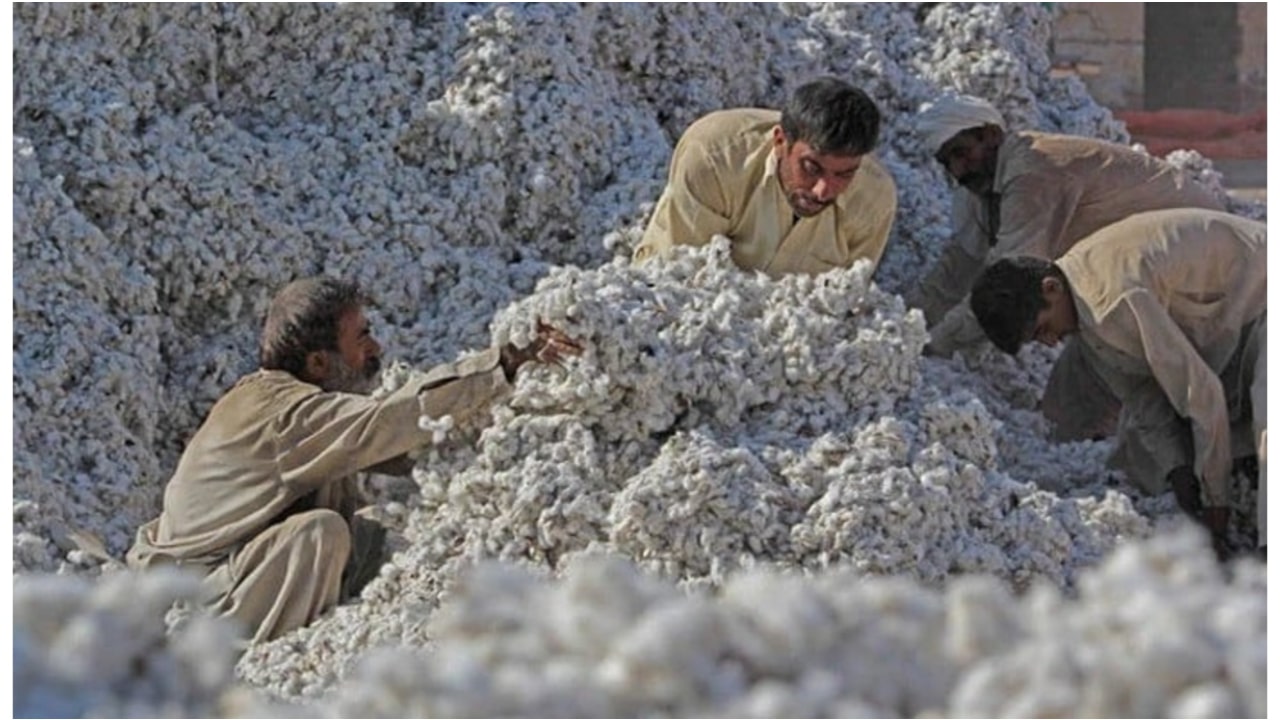
The Pakistan cotton industry currently faces a systemic threat as under-invoiced Chinese fabric reportedly infiltrates local markets through the Export Facilitation Scheme (EFS). This influx creates an artificial price floor that destabilizes the domestic textile sector. Consequently, strategic intervention is necessary to calibrate the trade balance and protect national industrial output from further erosion.
The Structural Challenge of Under-Invoicing
Chairman of the Cotton Ginners Forum, Ihsanul Haq, recently identified multiple stressors affecting the trade baseline. These include falling production, rising energy costs, and expensive bank financing. Specifically, he alleged that under-invoiced Chinese fabric is being diverted into local markets under the guise of the EFS. This mechanism, designed to facilitate exports, is now being exploited to bypass standard domestic protections.
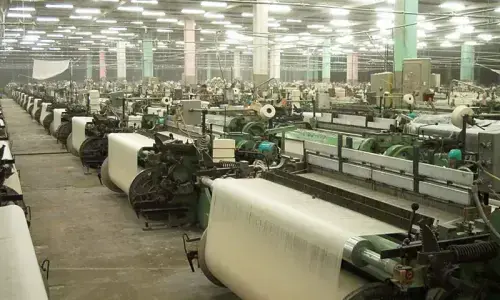
Furthermore, the All Pakistan Textile Mills Association (APTMA) has submitted data to the Federal Board of Revenue regarding millions of kilograms of yarn. They claim these imports arrive at values significantly lower than global market rates. As a result, local ginning industries struggle to compete, forcing a shift in agricultural patterns toward sugarcane cultivation.
The Translation: Breaking Down the Logic
The Export Facilitation Scheme (EFS) exists to allow manufacturers to import raw materials tax-free, provided they export the final product. However, industry leaders report a precision-gap in enforcement. They allege that importers declare lower values for Chinese fabric and divert it into the local Pakistani market instead of re-exporting it. This creates an unfair competitive landscape where local ginners and mills cannot match the artificially low costs of these misdeclared goods.
The Socio-Economic Impact: Impact on Citizens
For the average Pakistani household, this structural misalignment threatens the baseline of the national economy. When the Pakistan cotton industry falters, it triggers a chain reaction. Reduced demand for local cotton forces farmers to switch to less sustainable crops, decreasing biodiversity and long-term soil health. Urban textile workers face wage stagnation or layoffs as mills lose market share to cheap imports. Ultimately, this reduces domestic purchasing power and increases reliance on foreign-sourced materials.
Market Volatility and Climate Risks
Current market data shows cotton prices falling by Rs. 300 to Rs. 500 per maund due to improved fresh arrivals. However, persistent rains have slowed trading activity significantly. Analysts warn that heavier rainfall and potential flooding pose additional risks to the standing crop in the coming weeks. Therefore, the industry must prepare for both economic and environmental volatility simultaneously.
The Forward Path: Expert Opinion
This development represents a Stabilization Move requirement rather than a moment of growth. The federal government must implement an immediate, data-driven audit of the EFS framework. Precision in tax collection and the elimination of the undocumented “grey” economy are non-negotiable for industrial survival. If the state fails to synchronize energy costs with regional competitors, the Pakistan cotton industry faces a permanent structural decline. We must prioritize systemic integrity over short-term import gains.








