
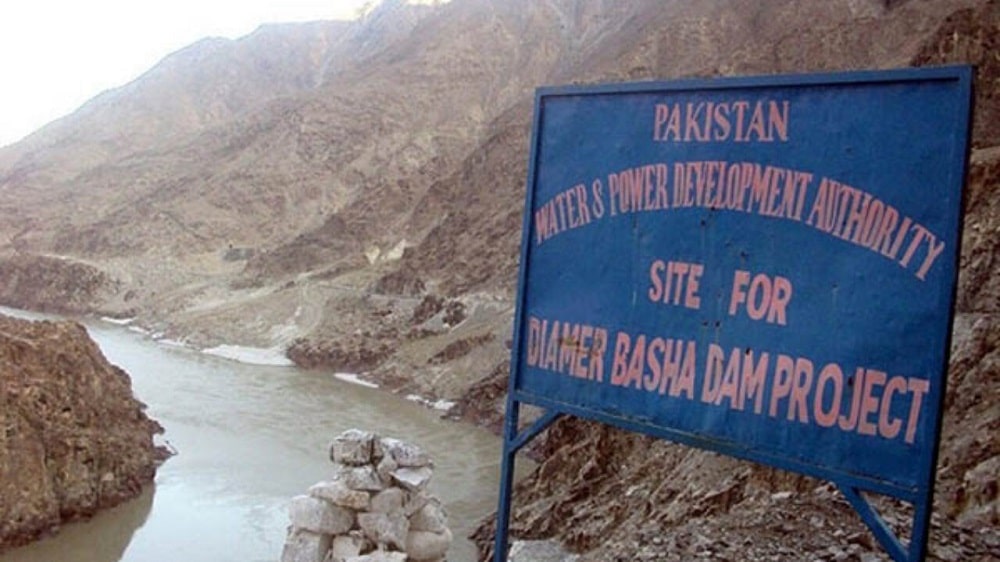
Pakistan’s strategic energy landscape faces a calibrated crisis as hydropower project costs escalate due to unprecedented macro-economic volatility. The Ministry of Water Resources recently disclosed that major infrastructure initiatives, including the Diamer Basha Dam, have recorded expenditures ballooning by up to 285%. These structural adjustments stem from currency depreciation and systemic delays, necessitating a baseline shift in national fiscal planning and energy strategy.
Decoding the Surge in Hydropower Project Costs
The Ministry identified several catalysts for this financial expansion. Construction material price hikes and exchange rate volatility served as primary drivers. Consequently, the Diamer Basha Dam’s cost estimate surged to Rs 1.122 trillion, a 134% increase from its original Rs 479.7 billion approval. Furthermore, the completion deadline shifted from February 2029 to December 2030, reflecting the impact of revised engineering standards and security requirements.
Comparative Analysis of Project Overruns
- Dasu Hydropower Project (Stage I): Recorded the steepest increase of 260%, jumping from Rs 486.1 billion to Rs 1.738 trillion.
- Tarbela Fifth Extension: Costs climbed 285% to Rs 316.4 billion, largely due to outdated 2014 pricing assumptions.
- Mohmand Dam: Experienced a 115% rise, now estimated at Rs 665.7 billion.
- Greater Karachi Bulk Water Supply (K-IV): Prices rose 36% due to inflation and higher costs for imported technical equipment.
The Translation (Clear Context)
In technical terms, the “ballooning” of these budgets is a direct result of a misaligned financial baseline. When these projects were initially conceived, the PKR stood at roughly 105 against the USD. Today, the currency has devalued to approximately 280. Because dam construction requires specialized imported machinery and global engineering expertise, the rupee’s depreciation acts as a multiplier on every dollar spent. Additionally, “Interest During Construction” (IDC) compounds as projects miss their deadlines, effectively taxing the state for its own delays.
The Socio-Economic Impact
For the average Pakistani citizen, rising hydropower project costs translate directly into delayed relief from energy shortages. These projects were designed to be catalysts for cheap, renewable power; however, the massive debt servicing required for their completion may keep electricity tariffs high for years. In urban centers like Karachi, the 36% increase in the K-IV water scheme implies that the delivery of basic utilities will require more taxpayer capital, potentially diverting funds from education and healthcare.
The Forward Path (Opinion)
This development represents a Stabilization Move rather than a momentum shift. While the updated costs reflect a necessary “reality check” for the national exchequer, they also highlight a lack of precision in original project forecasting. To regain momentum, Pakistan must adopt calibrated hedging strategies against currency fluctuations and enforce strict accountability for construction timelines. Addressing hydropower project costs today is the only way to prevent a structural energy deficit tomorrow.








