
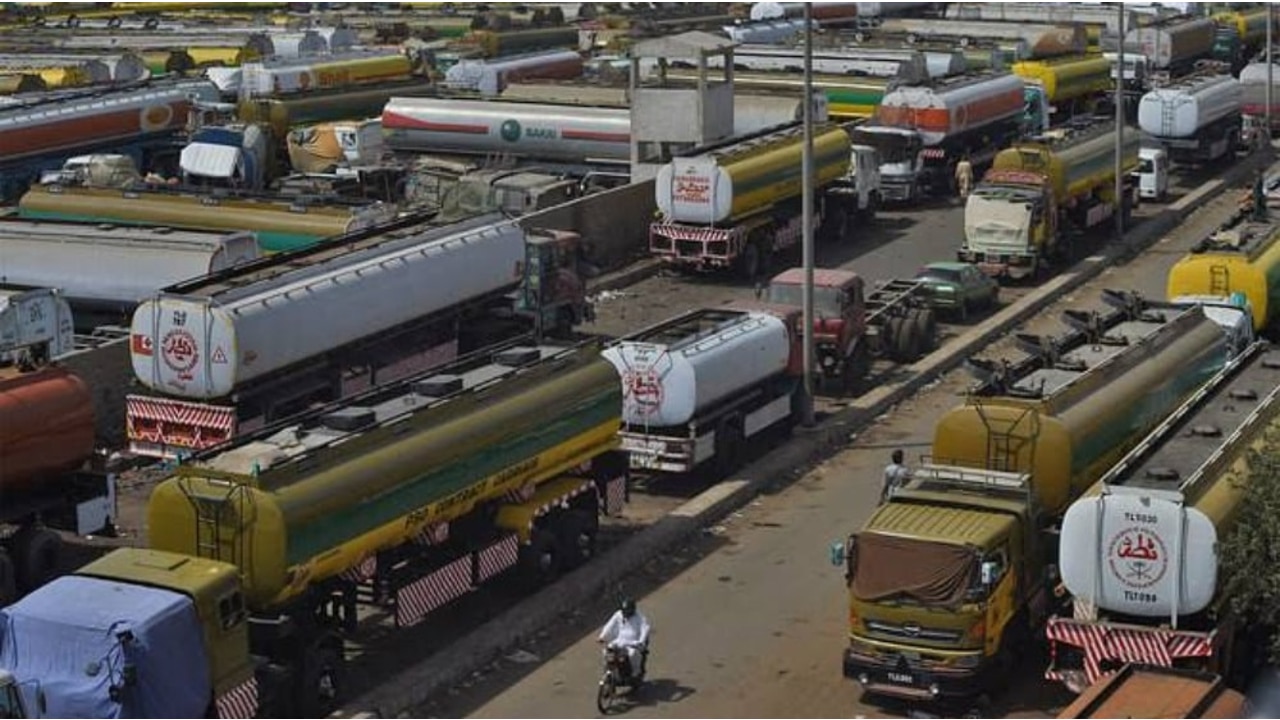
The potential for a nationwide oil tanker strike has triggered an immediate diplomatic response from the federal government. Following a 72-hour ultimatum issued by the Pakistan Oil Tankers and Contractors Association (POTCA), Federal Petroleum Minister Ali Pervaiz Malik has formally invited the association’s leadership for high-stakes negotiations on Monday, July 27. This calibrated intervention aims to stabilize the fuel distribution network before a total system shutdown occurs. Consequently, the results of this meeting will dictate whether the logistics sector shifts toward stabilization or escalates into a nationwide protest.
The Translation: Deconstructing Industry Demands
The core of the dispute lies in a structural misalignment between operating costs and fixed revenue models. The association is advocating for a strategic revision of three primary baseline factors:
- Quota Realignment: An immediate increase in the White Oil Pipeline quota to optimize transport volume.
- Commercial Loading: A total cessation of unauthorized commercial loading practices to ensure regulatory compliance.
- Freight Rate Calibration: A long-overdue revision of transport charges, which have remained stagnant for three years despite inflationary pressures.
Association President Abidullah Afridi emphasizes that Motorway and National Highway Authority (NHA) toll taxes have surged by approximately 180 percent. This massive overhead increase makes current freight rates economically unsustainable for precision logistics operations.
Socio-Economic Impact: Fueling Pakistan’s Daily Life
A nationwide oil tanker strike would serve as a catalyst for significant economic friction across all provinces. For the average Pakistani citizen, this disruption translates into immediate fuel shortages at retail stations, threatening the mobility of students and professionals alike. Furthermore, the agricultural and manufacturing sectors rely on a precision-timed supply of petroleum; a breakdown in this chain would inevitably lead to increased costs for essential goods. The systemic efficiency of Pakistan’s urban and rural economies depends entirely on the uninterrupted movement of these heavy-duty carriers.

The Forward Path: Momentum Shift or Maintenance?
We categorize this current development as a Stabilization Move. While the Petroleum Ministry’s rapid invitation for dialogue prevents an immediate logistical collapse, it does not yet address the structural grievances that have persisted for eighteen months. A true momentum shift requires the Oil and Gas Regulatory Authority (OGRA) to implement a dynamic freight mechanism that adjusts to toll and fuel cost fluctuations in real-time. Until a precision-based pricing model is established, the threat of a wheel-jam strike will remain a recurring volatility factor for Pakistan’s energy sector.








