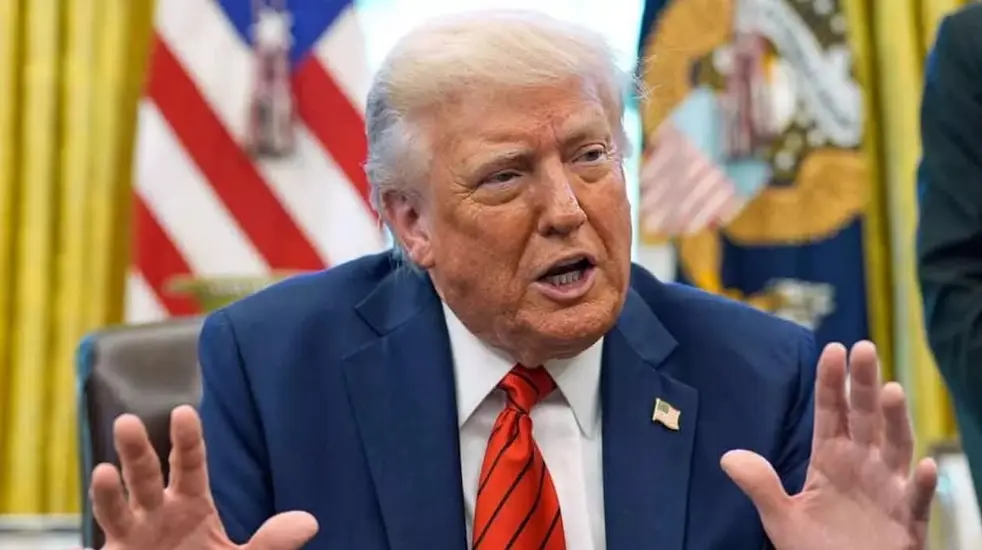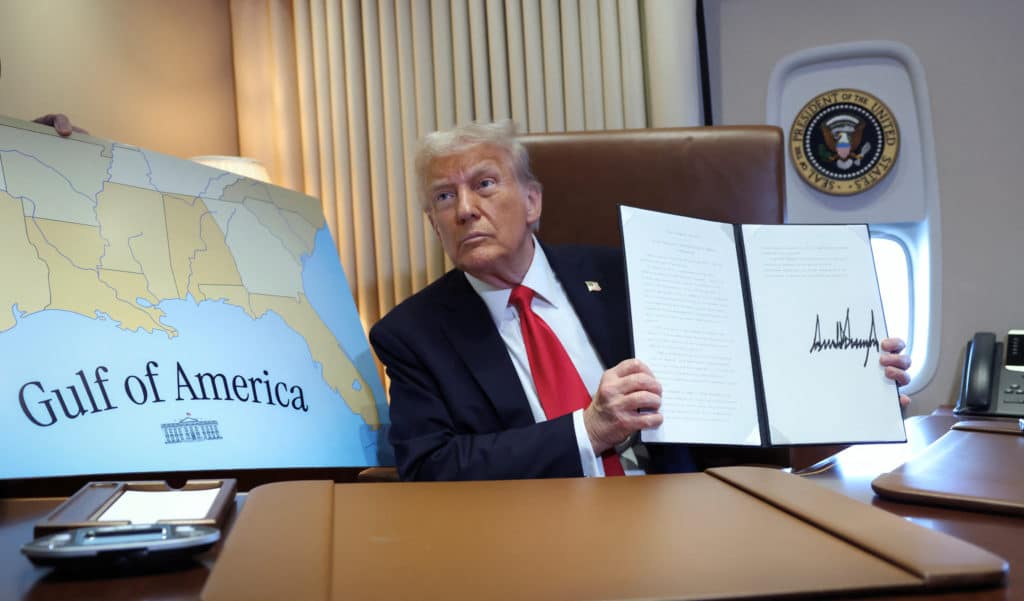
US Senator Bernie Sanders recently challenged the structural integrity of the Trump Gulf Policy, arguing that financial concentration dictates diplomatic alignment. Sanders highlighted the immense capital reserves of Gulf nations as the primary catalyst for President Donald Trump’s regional affinity. Specifically, he identified a collective fortune exceeding $750 billion within the ruling families of the UAE, Saudi Arabia, and Qatar. This critique shifts the baseline conversation from traditional diplomacy to a calibration of economic influence.
Calibrating the Economic Underpinnings of Trump Gulf Policy
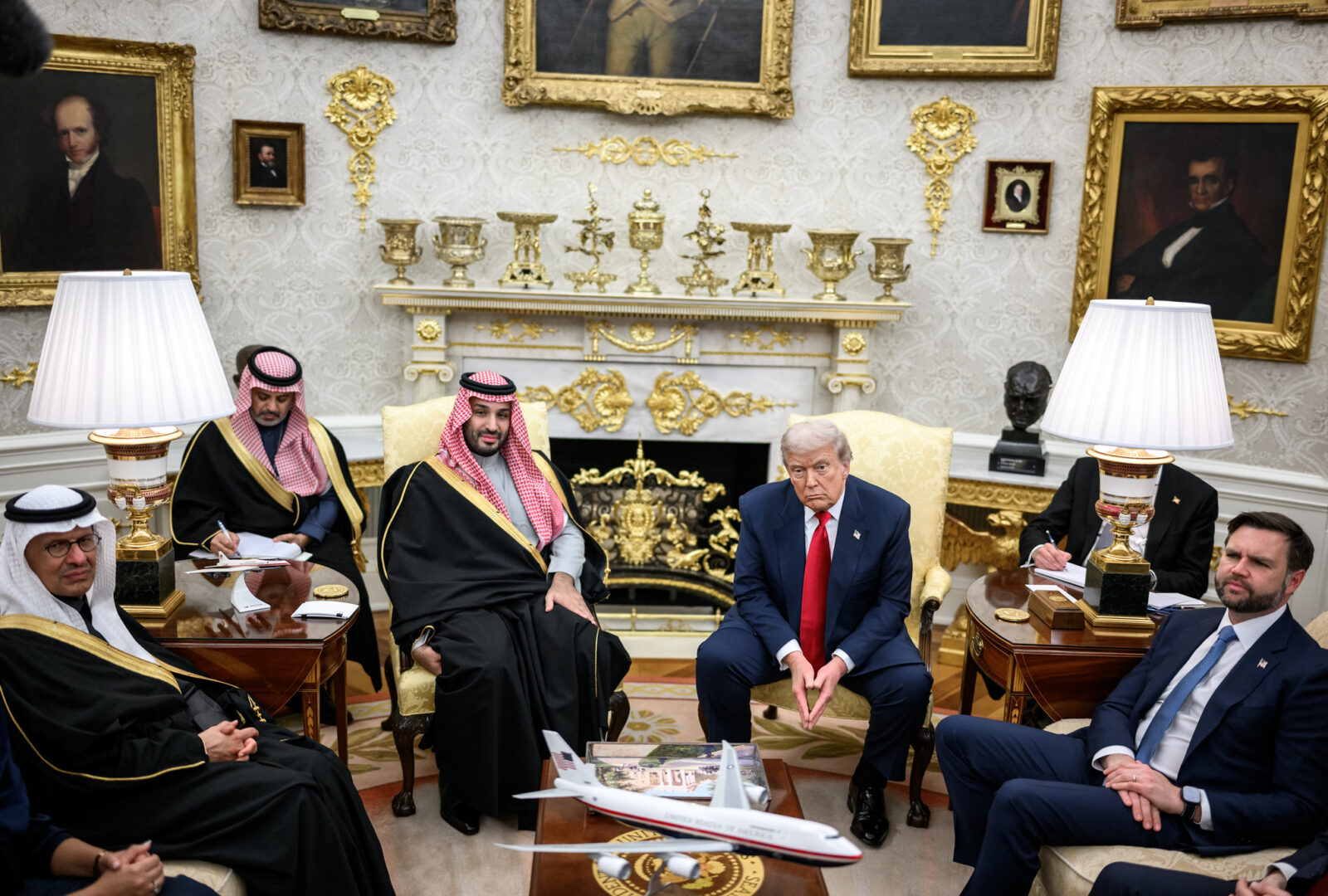
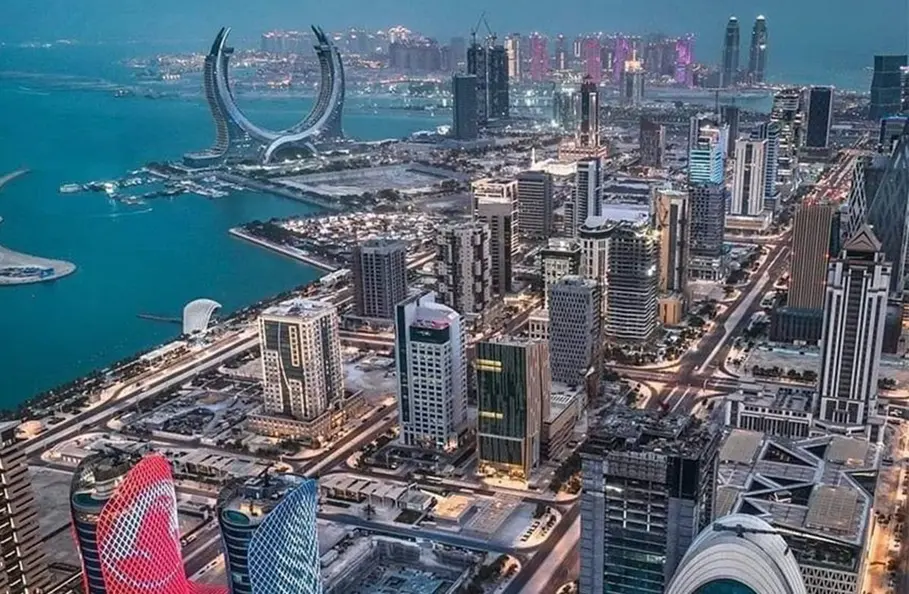
Data provided by Sanders reveals a staggering wealth distribution across these three nations. The UAE royal family controls approximately $336 billion, while the Saudi Arabian royal house manages $214 billion. Furthermore, Qatar’s ruling family maintains a fortune estimated at $200 billion. Consequently, Sanders labeled these leaders “billionaire dictators,” suggesting that Trump’s foreign policy prioritizes wealth accumulation over democratic principles. This precision in tracking financial assets highlights a potential momentum shift in how US legislators view Middle Eastern alliances.
The Situation Room: The Translation
While the terminology “dictatorship” carries political weight, the architectural logic here suggests a transition toward “Transactional Diplomacy.” In this model, foreign policy functions like a high-stakes merger. The Trump Gulf Policy treats sovereign states as economic partners rather than just ideological allies. For the visionary observer, this represents a shift where system efficiency and capital flow become the primary metrics of international success, superseding traditional democratic metrics.
Strategic Alliances and Global Energy Precision

Trump defends his engagement by citing strategic necessity and economic synergy. He recently disclosed negotiations regarding a nuclear agreement with Saudi Arabia, though he calibrated this deal against the official recognition of Israel. This maneuver demonstrates a complex integration of energy security, nuclear technology, and regional stabilization. However, critics on digital platforms argue that the Trump Gulf Policy serves as a catalyst for specific regional recognitions rather than broad geopolitical stability.

The Situation Room: The Socio-Economic Impact
For the average Pakistani citizen, the Trump Gulf Policy is not a distant political debate; it is a baseline economic factor. The Middle East remains the primary destination for Pakistani professionals and labor. Any shift toward a more transactional US-Gulf alliance impacts regional stability, which directly dictates:
- Remittance Stability: Fluctuations in Gulf economies immediately affect households in urban and rural Pakistan.
- Energy Calibration: Diplomatic shifts influence global oil prices, impacting the cost of living for every Pakistani professional.
- Job Market Volatility: Strategic pivots can create or dissolve opportunities for the millions of Pakistanis working in the UAE and Saudi Arabia.
The Forward Path: Momentum or Maintenance?

In our expert view, the current development of the Trump Gulf Policy represents a Stabilization Move. While it lacks the idealistic progress of humanitarian-led diplomacy, it provides a disciplined framework for economic predictability. The focus on nuclear agreements and multi-billion dollar partnerships ensures that the Gulf remains an active participant in the global digital and energy frontier. For Pakistan, maintaining a precise understanding of these US-Gulf dynamics is essential for navigating our own national advancement.