
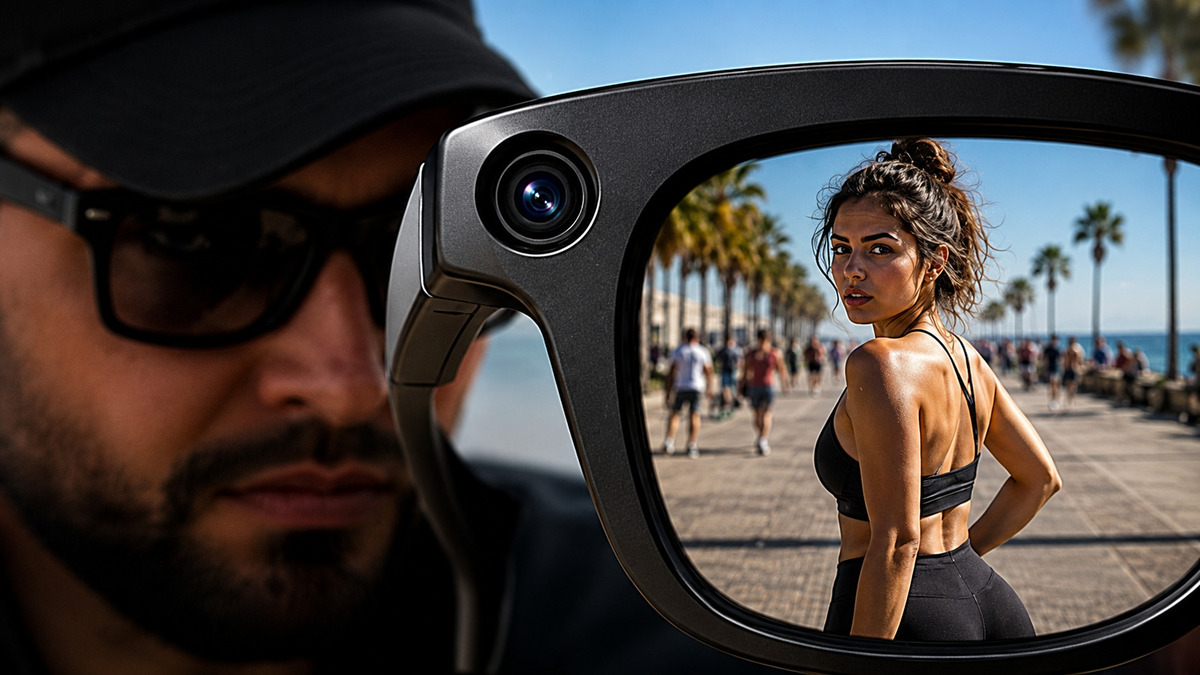
Meta Smart Glasses are at the center of a major policy shift as Instagram initiates a decisive crackdown on creators who use the technology to harass or exploit the public. The platform is now actively removing content that features non-consensual recordings, disruptive pranks, and predatory “pickup” videos. This calibrated enforcement aims to restore the baseline of privacy in the age of wearable surveillance.
Strategic Enforcement Against Digital Harassment
Instagram Head Adam Mosseri recently confirmed that the platform will remove any footage where creators secretly record and harass individuals. This structural update targets disruptive content, such as “prank” videos involving service workers and intrusive social experiments. Consequently, creators who provoke reactions from unsuspecting citizens now face immediate account termination.
The investigation by Business Insider revealed that Instagram has already deactivated two massive “pickup artist” accounts. These creators previously leveraged Meta Smart Glasses to record interactions with women without their consent. Both accounts held over one million followers, signaling that Meta is prioritizing systemic safety over platform engagement metrics.
Engineering Safeguards and Hardware Integrity
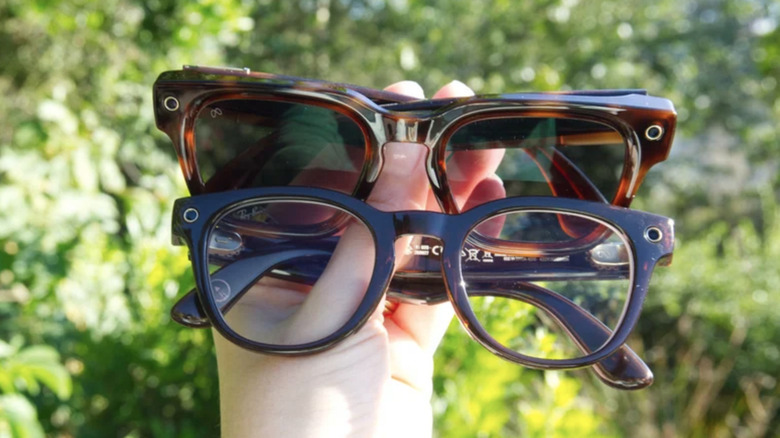
A critical vulnerability in wearable tech is the potential for tampering with privacy indicators. While Meta Smart Glasses include a white LED to signal active recording, these lights are often difficult to detect in bright outdoor environments. Furthermore, early iterations of the hardware were susceptible to physical modifications, such as covering the light with tape.
To mitigate this, Meta has engineered second-generation hardware that automatically disables the camera if it detects the indicator light is covered or damaged. This precision-engineered safeguard prevents the device from functioning as a tool for covert surveillance. Meta also plans to pursue legal action against businesses offering services to modify these recording indicators.

The Situation Room: Strategic Analysis
The Translation
Essentially, Meta is closing a “privacy loophole” that allowed wearable cameras to bypass traditional social norms. While recording in public remains legal, the intent and distribution of that content are now strictly regulated. By banning accounts that exploit others, Instagram is defining the ethical boundaries of the first-person digital perspective.
The Socio-Economic Impact
For the average Pakistani citizen, this development increases the safety of public and professional spaces. Service workers in urban centers and women in public transit are particularly vulnerable to “clout-chasing” creators. These protections ensure that technology acts as a catalyst for connection rather than a tool for exploitation, preserving social trust in shared environments.
The Forward Path
This move represents a Momentum Shift toward responsible innovation. While hardware fixes are essential, the platform’s willingness to ban multi-million follower accounts proves a commitment to structural integrity. Moving forward, the industry must standardize “privacy-by-design” to ensure that wearable technology aligns with global human rights standards.








