

Pakistan’s food security requires a calibrated balance between state oversight and market efficiency. Currently, private wheat importers are sounding the alarm, warning that a return to state-led imports could trigger billions in losses and dismantle the critical wheat market deregulation framework. This strategic shift towards centralization threatens to destabilize a system that has recently achieved significant pricing benchmarks through private sector precision.
The Economic Logic of Private Importation
The Cereal Association of Pakistan (CAP) argues that market-driven imports operate with surgical efficiency. Consequently, they propose importing four million tonnes in phases, utilizing private capital rather than depleting the national exchequer. By leveraging the Black Sea and South American harvest seasons, the private sector can secure competitive international pricing that a bureaucratic entity like the Trading Corporation of Pakistan (TCP) might fail to capture. This approach ensures that the wheat market deregulation policy continues to shield the economy from unnecessary public debt.
Historical Performance and Price Stabilization
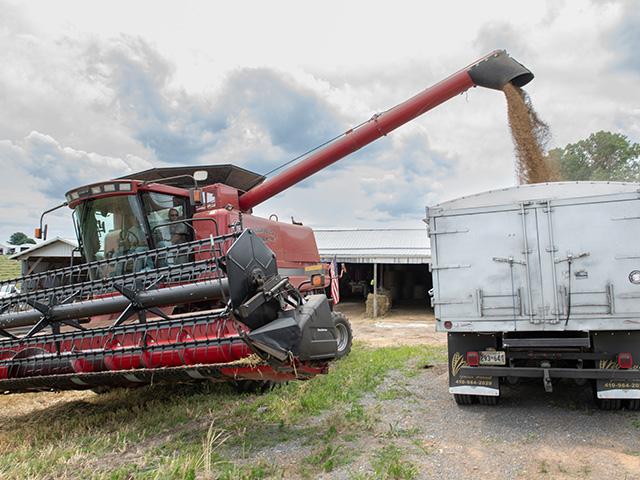
During FY2023-24, the private sector demonstrated its capability by importing 2.7 million tonnes without a single rupee in government subsidies. This move successfully stabilized the baseline cost of wheat, reducing prices from Rs. 123 to Rs. 95 per kilogram. Strategic intervention is unnecessary when the existing market mechanism has already proven its structural efficiency. Furthermore, reports suggest that existing stocks under PASSCO are deteriorating within warehouses, making further state-led imports a high-risk gamble with public funds.
The Situation Room: Strategic Analysis
The Translation (Clear Context)
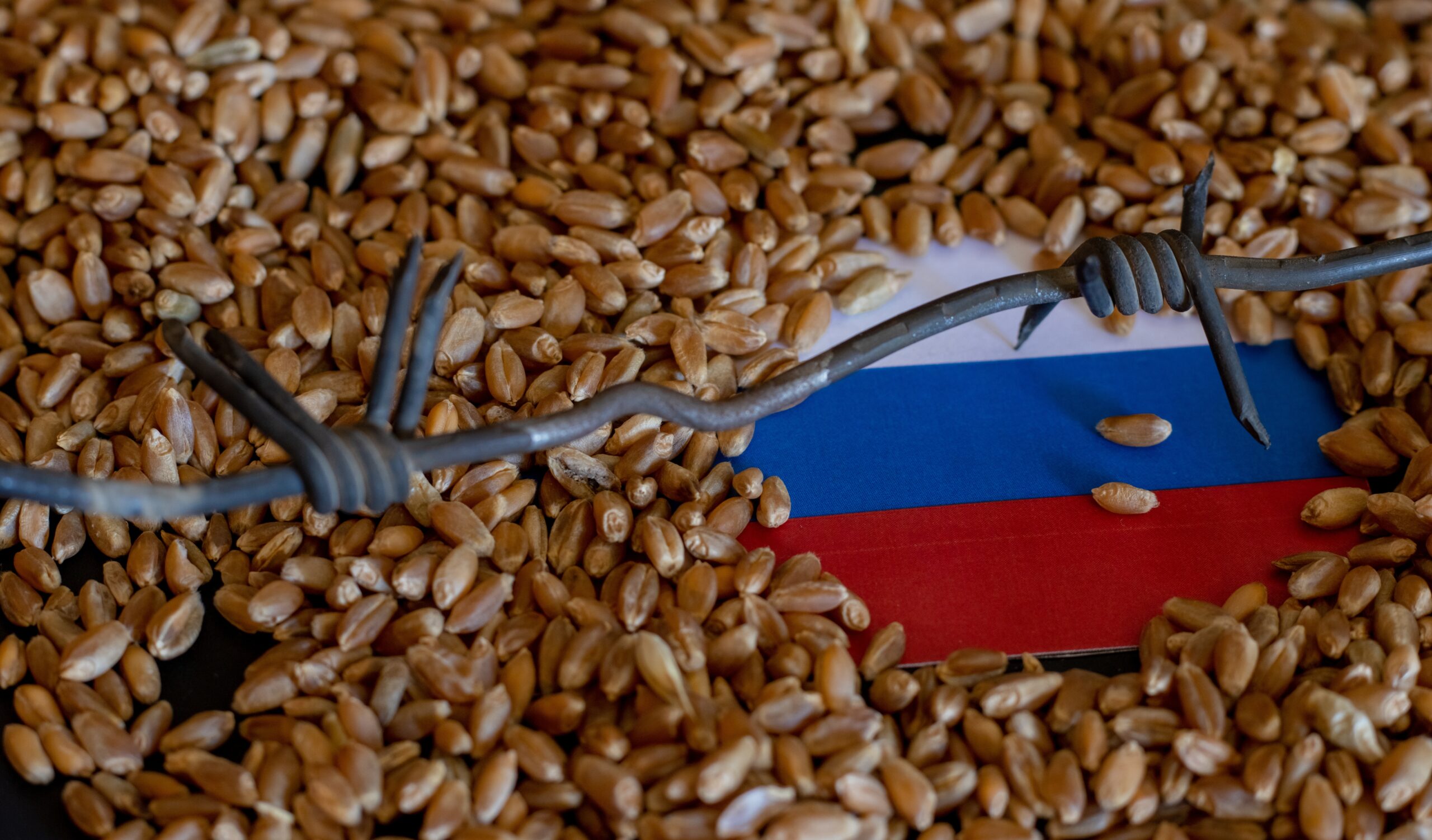
The conflict centers on “Deregulation vs. Centralization.” Private importers believe that when the government (TCP) enters the market, it creates artificial distortions and financial strain. While the government aims for control, market-driven imports rely on global price fluctuations to benefit consumers. In short, the private sector views the wheat market deregulation as a catalyst for efficiency that the state cannot replicate.
The Socio-Economic Impact
For the average Pakistani household, this debate directly dictates the price of a daily roti. If the market remains deregulated, competition among private importers keeps prices lower, ranging between Rs. 95 and Rs. 100 per kilogram. Conversely, a return to government-led imports often results in supply bottlenecks and higher wholesale prices, potentially pushing the cost to Rs. 125 per kilogram. This impact is felt most acutely by students and low-income urban professionals.
The Forward Path (Opinion)
This development represents a Momentum Shift for Pakistan’s agricultural policy. Moving back toward state-led imports would be a regression into fiscal instability. To achieve long-term food security, Pakistan must strengthen its market-driven systems. The government should focus its resources on oversight, anti-hoarding measures, and infrastructure maintenance rather than direct market competition.








