
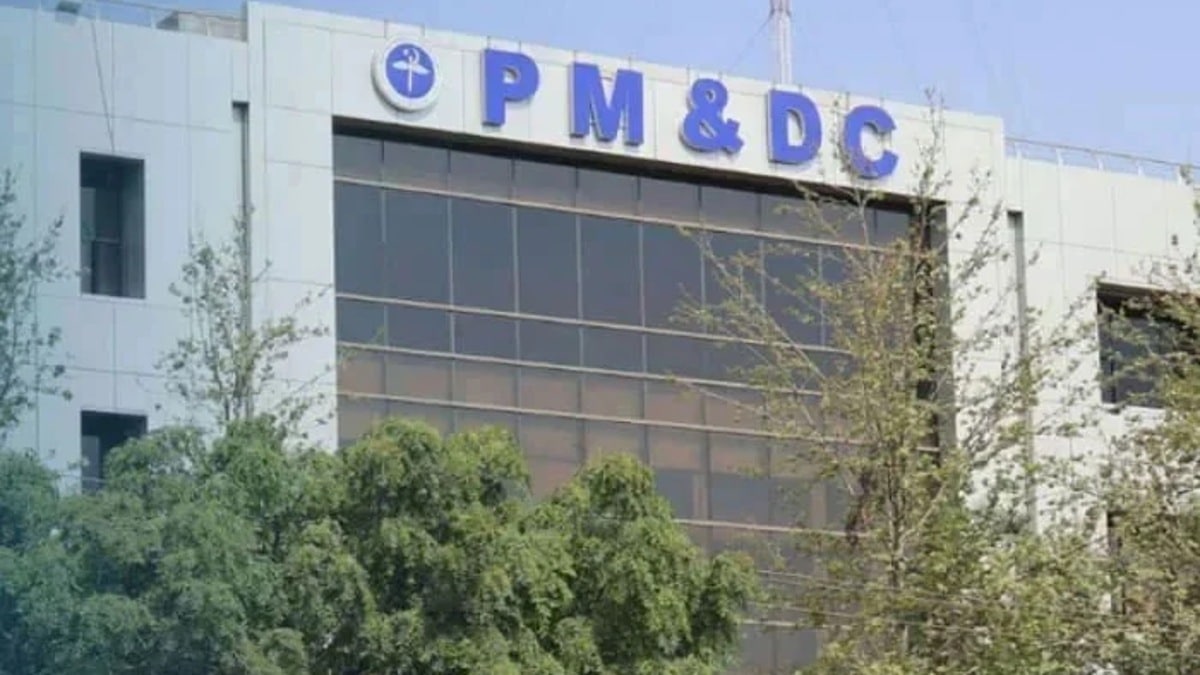
The structural integrity of Pakistan’s medical research ecosystem requires precise legal calibration to maintain global standards. A recent medical tribunal ruling established that the Pakistan Medical and Dental Council (PMDC) must provide objective PMDC plagiarism evidence before upholding misconduct allegations against doctors. This decision serves as a catalyst for systemic reform, ensuring that disciplinary actions align with empirical validation rather than administrative assumptions.
The Legal Calibrated Baseline for Integrity
The tribunal issued this ruling while presiding over appeals from several doctors previously penalized by the former Pakistan Medical Commission (PMC). The commission had originally found eight authors guilty of academic fraud following the retraction of a paper on wound therapy. However, the tribunal determined that the PMDC has the authority to investigate scientific integrity only when supported by separate, objective expert analysis. Consequently, the previous findings were struck down because they lacked a comparative report from the Higher Education Commission (HEC) or a recognized academic body.
Examining the WOLLF Trial Conflict
The controversy centered on a multicenter randomized controlled trial retracted by the Bone and Joint Journal in 2020. Concerns arose regarding data similarities with the UK-based WOLLF Trial. While the PMC launched suo motu proceedings, the tribunal noted a critical failure in procedural accuracy. Specifically, the commission failed to conduct a forensic comparative analysis between the disputed article and the UK research. This lack of PMDC plagiarism evidence made the lifetime teaching bans and professional penalties legally unsustainable.
The Situation Room Analysis
The Translation: Clear Context
In technical terms, the tribunal is differentiating between “administrative suspicion” and “forensic proof.” Plagiarism is a specialized technical violation that requires software-driven verification and expert peer review. By demanding an independent assessment, the tribunal is ensuring that “gift authorship” or “honorary credits”—while ethically questionable—are not conflated with malicious fraud without a calibrated investigation. This protects the professional baseline of the medical community from arbitrary disciplinary measures.
The Socio-Economic Impact
This ruling directly impacts the livelihood of Pakistan’s medical professionals and the quality of national healthcare. By striking down unlawful lifetime bans, the tribunal preserves the human capital necessary for our teaching hospitals. For the average Pakistani citizen, this ensures that the doctors training the next generation are judged by fair, transparent standards. It stabilizes the professional environment, preventing a “brain drain” caused by fear of unverified disciplinary actions.
The Forward Path: Opinion
This development represents a Momentum Shift for Pakistan’s academic landscape. It transitions our regulatory bodies from a “policing” mindset to an “architectural” one, where rules are built on evidence and due process. While the PMDC remains empowered to pursue data fabrication or records failure, this ruling forces a higher degree of precision. This is a strategic win for institutional credibility and the future of STEM research in the country.








