
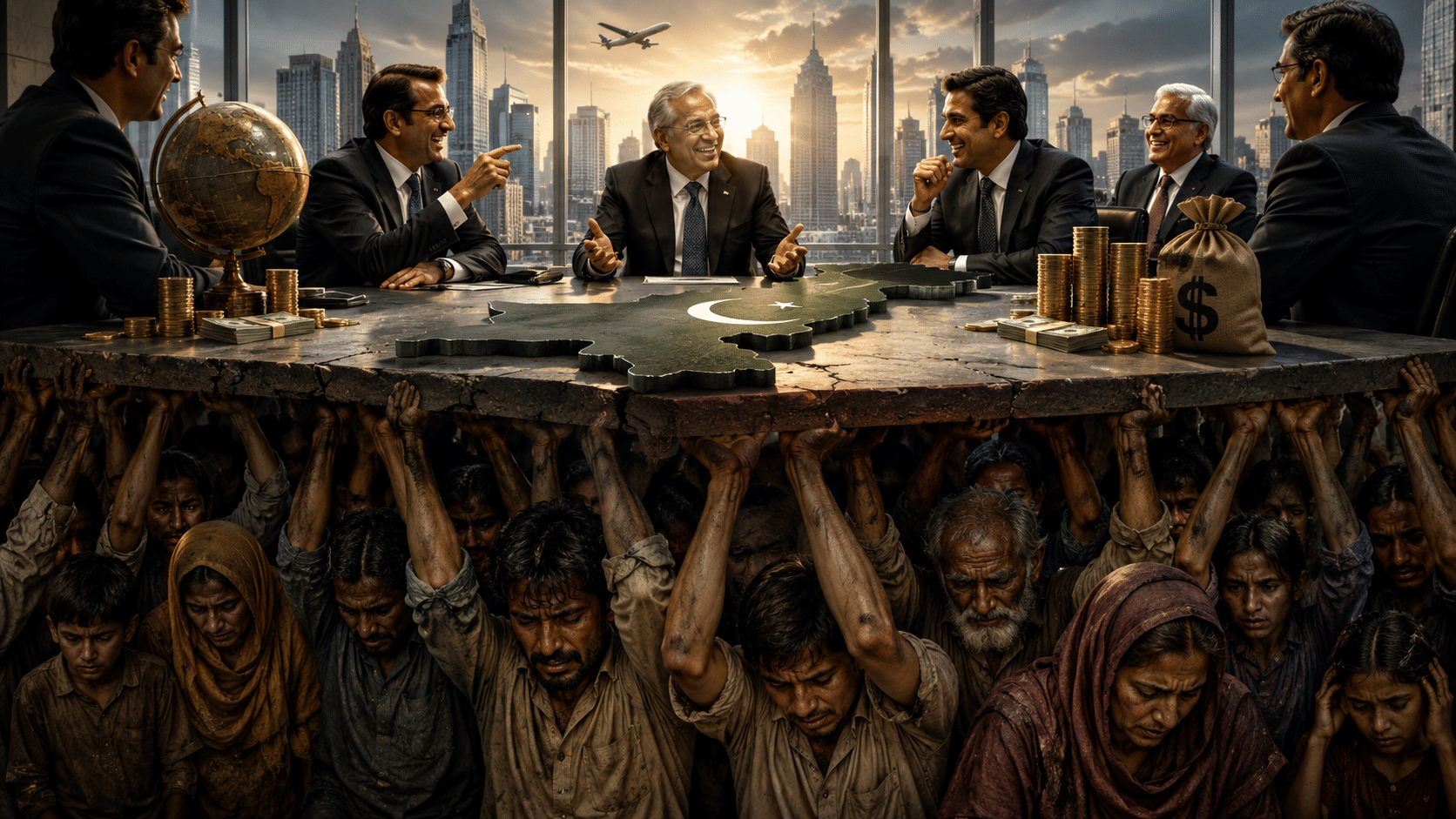
National advancement requires more than the temporary avoidance of insolvency; it demands a structural transition from crisis management to sustainable productivity. Currently, Pakistan’s strategy for economic stabilization has successfully averted sovereign default, yet the baseline for a growth-focused model remains uncalibrated. Since 2022, the coalition government has implemented aggressive fiscal measures, including higher taxes and elevated interest rates, to secure international financial support. However, these calibrated moves have shifted the primary weight of recovery onto the general public.
The Pitfalls of Permanent Economic Stabilization
Macroeconomic stability must serve as a catalyst for reform rather than a final destination. Despite recent improvements in indicators, the underlying structural framework remains fragile. For instance, the trade deficit widened to a record $39.5 billion in FY26. Exports plummeted to $30.1 billion, while imports surged to $69.6 billion. Consequently, the reliance on external debt continues because the internal productive capacity fails to meet domestic demand. The current model prioritizes immediate solvency over the long-term strategic expansion of the export sector.
The Situation Room: Analysis
The Translation (Clear Context)
While “stabilization” sounds positive in financial reports, it technically refers to stopping a freefall rather than climbing a mountain. The government has transitioned to market-based pricing for fuel and electricity. This shift means that global commodity fluctuations now directly impact domestic costs without a state-funded buffer. Consequently, the economy remains vulnerable to “imported inflation,” where external price shocks dictate the domestic cost of living.
The Socio-Economic Impact
For the average Pakistani household, these structural adjustments translate into a sustained reduction in purchasing power. Higher electricity tariffs and food costs act as a regressive tax, disproportionately affecting urban professionals and rural families alike. Without significant gains in labor productivity or income growth, the cost of maintaining national solvency rests on the shrinking disposable income of the middle class. This creates a precision gap between macroeconomic data and the daily reality of the citizen.
The Forward Path (Opinion)
This development represents a Stabilization Move rather than a Momentum Shift. While avoiding default was a critical baseline achievement, the lack of aggressive deregulation and export diversification suggests we are merely maintaining the status quo. To achieve the projected $3 trillion economy by 2047, the state must empower independent regulators. These professionals must ensure competition and prevent monopolistic exploitation within the newly deregulated markets.
Breaking the Recurring Cycle
Pakistan must pivot its focus toward institutional efficiency and investment attraction. Long-term ambitions require credible, data-driven reforms instead of optimistic projections. Specifically, the government needs to prioritize high-value exports and strengthen governance to protect consumers from market volatility. Only then can we move beyond the cycle of politically managed economic stabilization and toward a future of authentic national prosperity.








