
Pakistan’s automotive landscape stands at a critical juncture as the federal government moves to recalibrate the hybrid car sales tax. By proposing a reduction from the current 25 percent to a more calibrated 18 percent, the state signals a strategic shift toward sustainable mobility. This summary, currently under review by the Finance Division, seeks to reverse the recent tax hike that followed the expiration of the previous concessional regime. Consequently, this adjustment could serve as a catalyst for a market currently struggling with high entry costs and fluctuating demand.
Strategic Adjustments to the Hybrid Car Sales Tax
The federal cabinet must approve the proposal before the 18 percent rate takes effect. Previously, the industry enjoyed a significantly lower rate of 8.5 percent. However, the Finance Act 2026 allowed this concession to expire, which automatically shifted hybrid electric vehicles (HEVs) to a standard 25 percent tax bracket. Moreover, the government has spent months reviewing the resulting market contraction. This new proposal represents a structural correction aimed at restoring consumer purchasing power while maintaining a baseline of fiscal revenue.
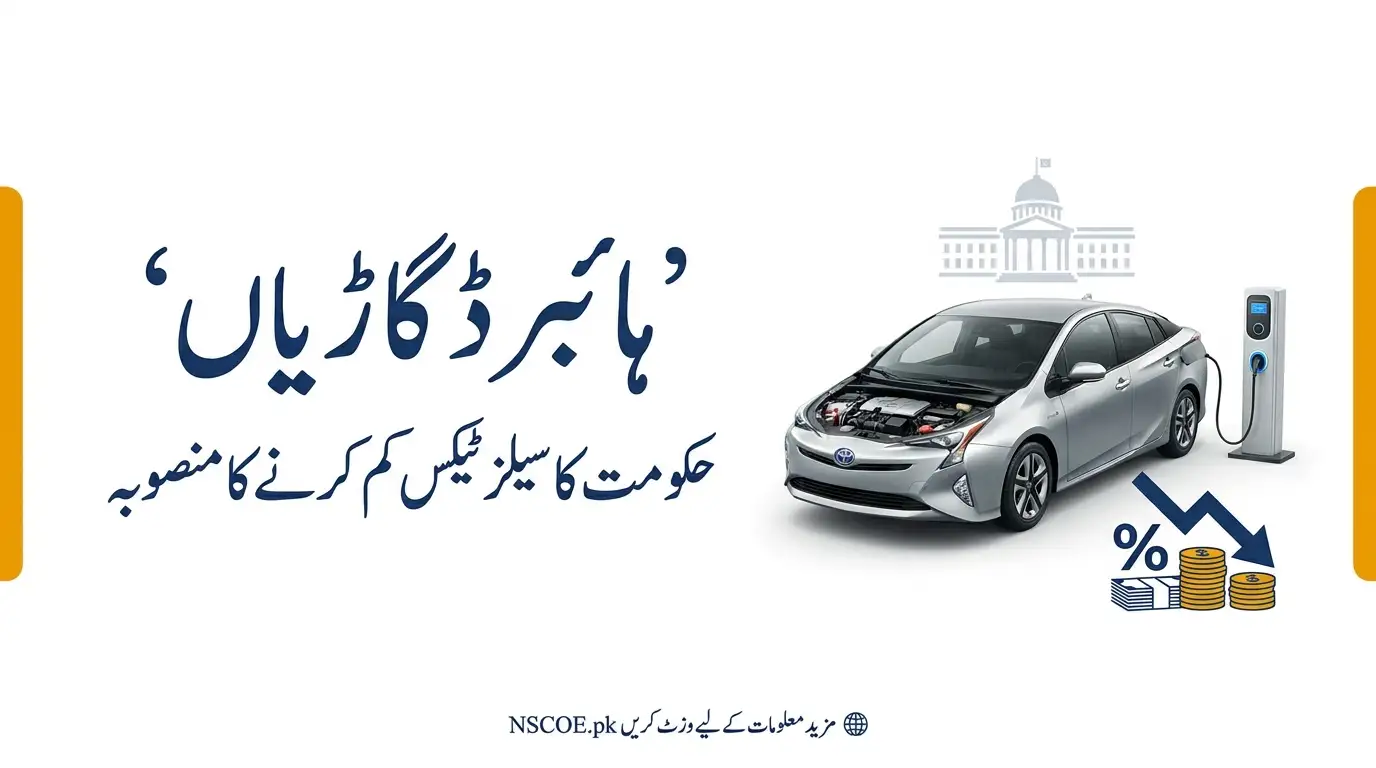
The transition to hybrid technology remains a cornerstone of the national energy efficiency strategy. Industry experts argue that the previous jump to 25 percent was too aggressive for a developing market. In contrast, the proposed 18 percent rate offers a middle ground. This recalibration ensures that the government continues to collect essential revenue while preventing the total stagnation of the green vehicle sector. Key highlights of the proposal include:
- Tax Reduction: A decrease from 25% to 18% for all HEVs.
- Approval Pipeline: Summary forwarded to the Finance Division and awaiting Cabinet signature.
- Strategic Goal: To promote the transition to cleaner, fuel-efficient transportation.
The Situation Room Analysis
The Translation
In technical terms, the government is moving hybrid vehicles back into a “preferential” category within Schedule II of the tax code. By lowering the hybrid car sales tax, the state is effectively admitting that the 25 percent rate was a “friction point” that halted car sales. This 7 percent reduction is a precision move designed to lower the “On-Road” price of a vehicle by several hundred thousand rupees, making them competitive against traditional combustion engines again.

The Socio-Economic Impact
This policy change directly affects the urban Pakistani professional. Lowering taxes on hybrids reduces the initial capital required for vehicle acquisition. Furthermore, as more citizens shift to HEVs, the national economy benefits from a reduced oil import bill. For the average household, this means access to modern technology that significantly lowers monthly fuel expenditures, providing much-needed relief in an era of high inflation.
The Forward Path
This development represents a Stabilization Move. While a reduction to 18 percent is not as aggressive as the former 8.5 percent rate, it prevents the industry from total collapse. It is a pragmatic compromise that balances the government’s desperate need for tax revenue with the essential requirement for technological progress. If the Cabinet approves this, we expect to see a calibrated increase in automotive production by the third quarter of the fiscal year.








