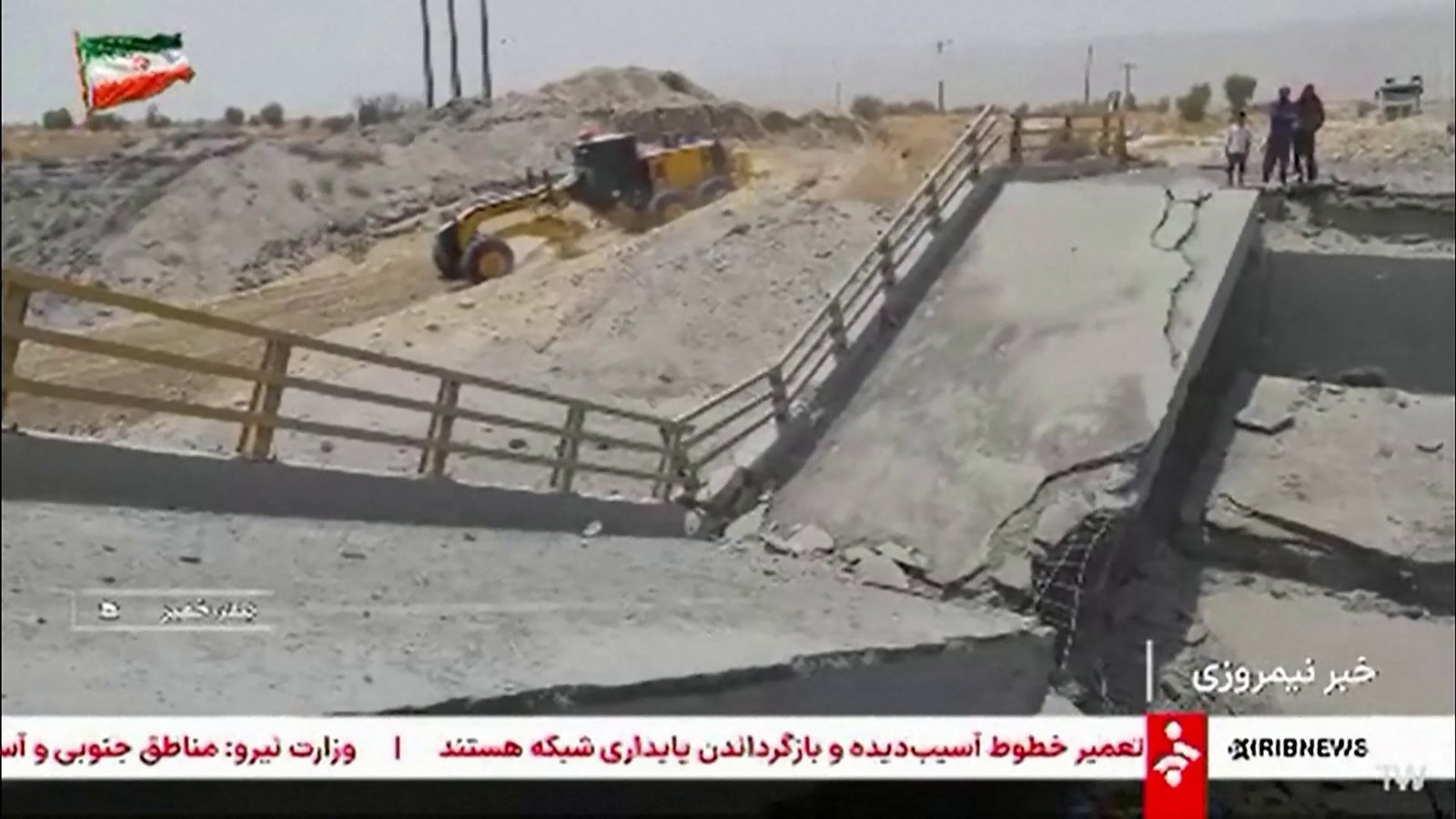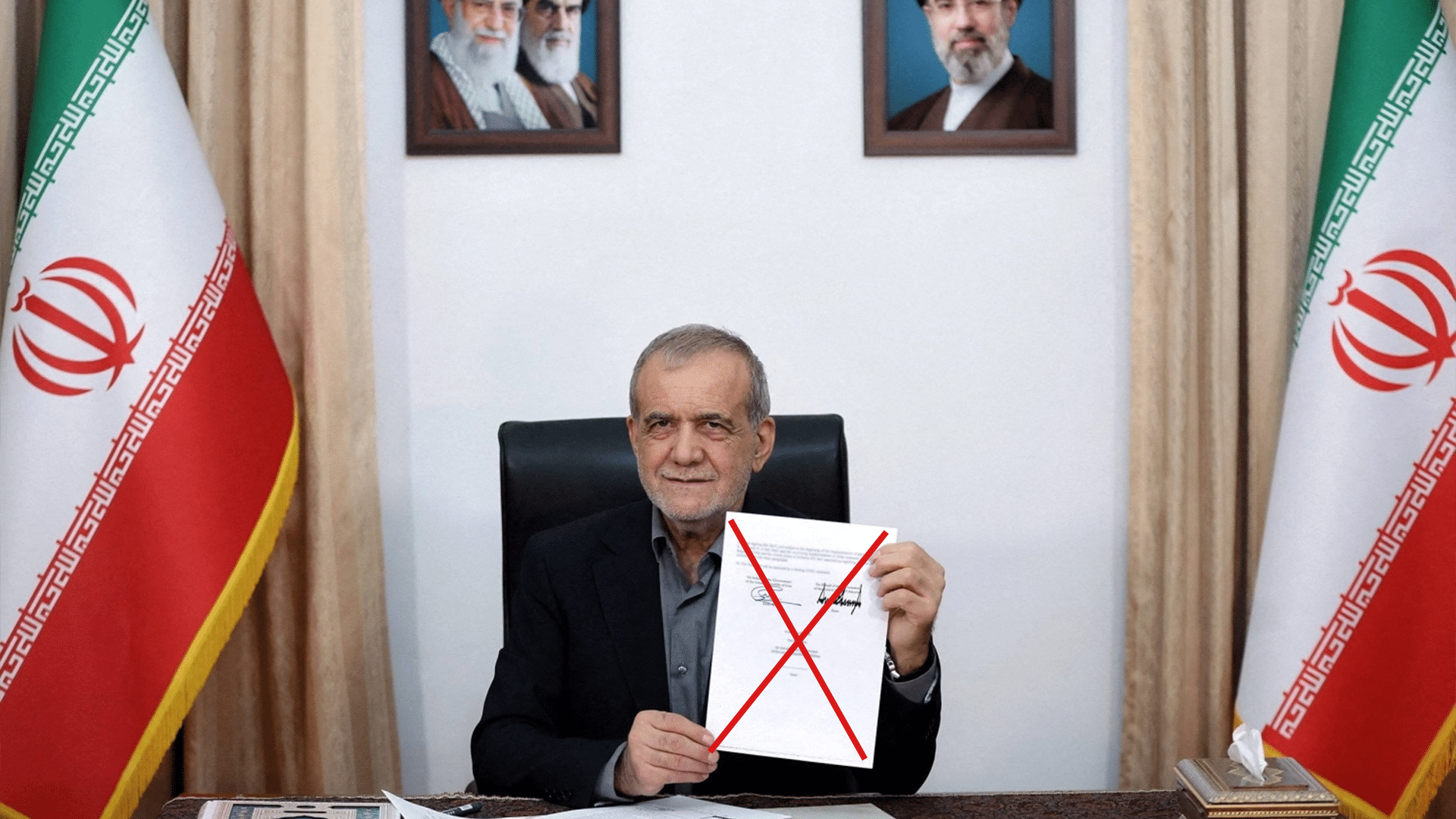
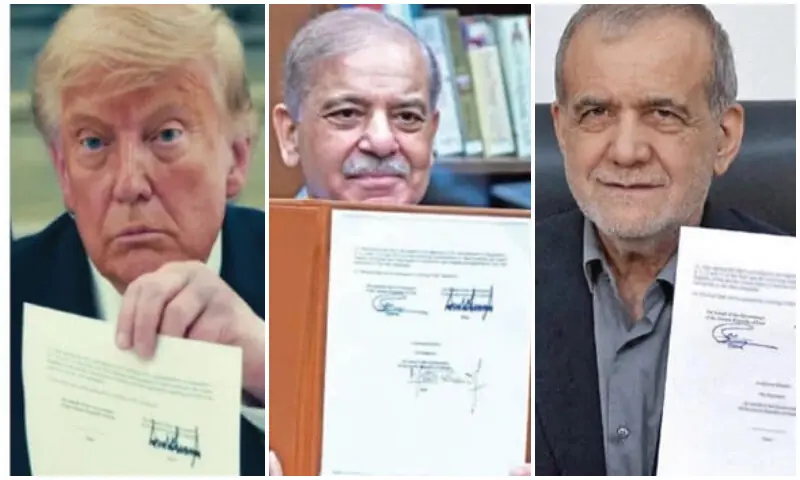
Iran has officially suspended all commitments under the Islamabad MoU, citing a series of structural violations by the United States. This strategic pivot, announced by Deputy Foreign Minister Kazem Gharibabadi, marks a significant calibration in regional diplomacy. Consequently, the Pakistan-brokered agreement, which initially sought to establish a truce, has entered a state of functional collapse. The Iranian government stated that it no longer sees a logical baseline for maintaining the agreement while Washington continues to bypass established protocols.
The Structural Collapse of the Islamabad MoU
Deputy Foreign Minister Gharibabadi confirmed that Tehran will no longer implement the terms defined in the agreement. He specifically highlighted that Washington’s military maneuvers violated the precise framework established in June. Furthermore, the Iranian leadership has ruled out all future negotiations with the United States under current conditions. This decision effectively neutralizes the mediation efforts led by Pakistan, which had aimed to stabilize the escalating conflict between the two powers.
Iranian media reported that the military is now focused entirely on domestic defense precision. The Islamabad MoU was designed as a catalyst for a lasting peace agreement, yet military strikes near critical infrastructure have derailed these diplomatic goals. As a result, the region faces a period of heightened uncertainty as the baseline for peace has been removed.

The Translation: Breaking Down the Geopolitical Logic
In “Next Gen” clarity, the suspension of the Islamabad MoU means that the diplomatic “firewall” designed to prevent direct war has failed. Think of this agreement as a regional operating system intended to manage conflict; the US violations acted as a system-level bug that rendered the software unusable. Iran’s withdrawal is not just a political statement but a recalibration of their strategic defense posture. They are moving from a “wait and see” diplomacy to an active defensive baseline.

The Socio-Economic Impact: What This Means for Pakistanis
This development impacts the daily lives of Pakistani citizens through three primary channels. First, the collapse of the Islamabad MoU increases the systemic risk for border trade, potentially inflating the cost of imported goods. Second, energy security remains a critical concern, as regional friction often triggers volatility in fuel prices. Finally, for Pakistani students and professionals, the loss of regional stability could limit the expansion of cross-border infrastructure projects that were expected to catalyze job growth in Balochistan and surrounding areas.
The Forward Path: A Momentum Shift
From a STEM-driven perspective, this event represents a significant Momentum Shift toward regional volatility. The stabilization move that the Islamabad MoU provided has been neutralized. Pakistan now faces the challenge of recalibrating its role as a neutral mediator. Without a precision-engineered diplomatic framework, the risk of miscalculation between regional powers increases. Our experts view this as a period of “Strategic Realignment,” where new alliances and security protocols must be built from the ground up to prevent total system failure.