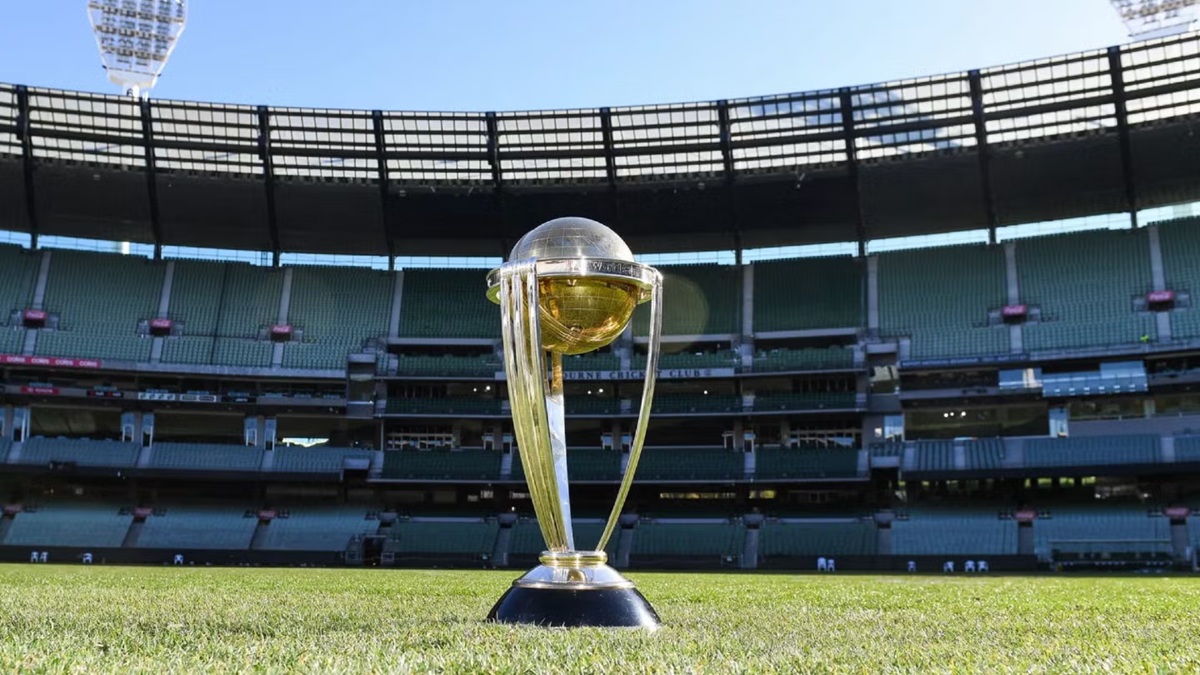
The structural integrity of international sports depends on a calibrated balance between meritocracy and commercial viability. Recent shifts in the ODI World Cup format have ignited a significant backlash from the World Cricketers’ Association (WCA). The International Cricket Council (ICC) recently modified the 2027 tournament layout, introducing a “Super Series” targeting the three lowest-ranked qualifiers. Consequently, only one of these three teams will advance to the main group stage. This decision serves as a catalyst for a global debate on competitive equity and systemic transparency within the sport.
Analyzing the Disruption in the ODI World Cup Format
The ICC justification centers on creating “meaningful contests,” yet the strategy lacks technical transparency. The WCA argues that players and nations invested years into a qualification pathway that the ICC has now unilaterally altered. For example, Netherlands captain Scott Edwards expressed profound disappointment, noting that this change diminishes the achievement of qualification. Furthermore, Ireland’s Paul Stirling defended the role of associate countries, highlighting their proven value at global events. He specifically pointed to football’s expansion model as a baseline for sustainable growth.
- Super Series: A new elimination layer for the bottom three qualifiers.
- Reduced Access: Only one qualifier from the Super Series enters the main group.
- Lack of Consultation: WCA claims the ICC bypassed player representatives during the decision process.
The Situation Room Analysis
The Translation (Clear Context)
In essence, the ICC is implementing a “play-in” tournament within a World Cup that teams have already qualified for. Instead of direct entry into the group stages, the lowest-ranked nations must survive an additional elimination layer. This structural barrier reduces the exposure and financial stability traditionally associated with global qualification. Consequently, it creates a “World Cup within a World Cup” that effectively penalizes emerging nations for their current ranking status.
The Socio-Economic Impact
For the Pakistani sports ecosystem and broader associate nations, this decision limits the diversification of the sport. Smaller nations bring unique viewership and commercial opportunities. By restricting their participation, the ICC risks stagnating the global growth of cricket. This directly affects the commercial viability of international tours and reduces the strategic value of developmental grants. For professionals and students in Pakistan, a less diverse cricket world means fewer opportunities for international collaboration and exposure.
The “Forward Path” (Opinion)
This development represents a Stabilization Move rather than a momentum shift toward progress. It prioritizes high-revenue matchups between established giants over the structural expansion of the game. For cricket to achieve true global parity, the ICC must return to a model that rewards qualification with guaranteed exposure. We recommend a more calibrated approach that includes stakeholder consultation to ensure the game’s long-term health and inclusivity.