
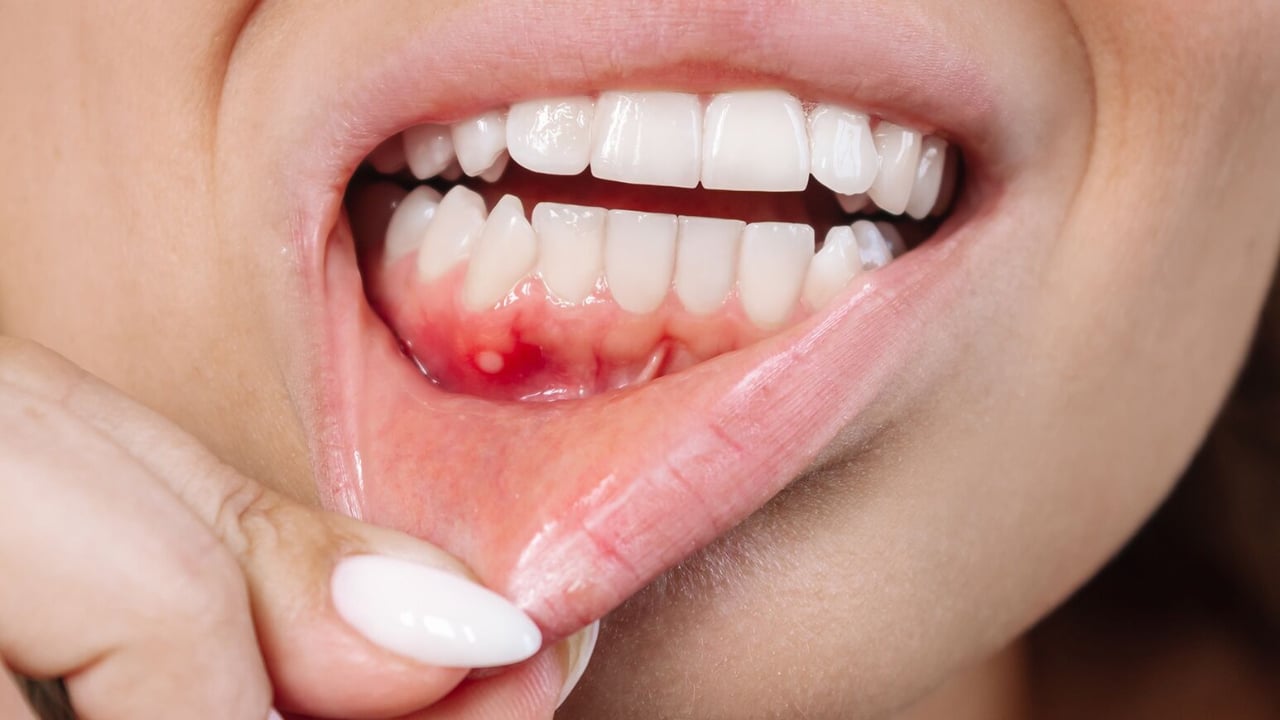
The Structural Crisis of Mouth Cancer Cases in Sindh
The rapid escalation of mouth cancer cases across Karachi and Sindh demands a calibrated public health intervention. Data indicates a disturbing 25 percent surge in diagnoses over the last five years, particularly affecting the younger demographic. Consequently, the reliance on carcinogenic substances like gutka, mawa, and tobacco has shifted the epidemiological baseline for the province. Medical professionals now identify Sindh as the primary hotspot for this malignancy within Pakistan.
Health experts pinpoint Karachi’s South district, alongside coastal and suburban zones, as high-density clusters for these cases. Between 2017 and 2021, the Karachi Cancer Registry documented 65,886 instances of the disease. Furthermore, the Dow Cancer Registry recorded 22,858 cases specifically targeting the mouth and lips between 2010 and 2019. These precision metrics highlight a system under extreme duress from preventable lifestyle catalysts.

Infrastructure Gaps and Treatment Deficits
The current health architecture lacks a specialized, comprehensive oncology facility to manage the growing volume of patients. While the Pakistan Atomic Energy Commission centers provide essential radiation therapy, these units cannot sustain the current demand. Professor Dr. Noor Muhammad Somroo emphasizes that the absence of integrated treatment hubs forces patients to navigate fragmented care pathways during critical stages of their illness.
The Situation Room Analysis
The Translation (Clear Context)
The surge in mouth cancer cases is not merely a medical anomaly; it is a direct consequence of unregulated “chewable” tobacco markets. Products like gutka and mawa act as chemical catalysts that accelerate cellular mutation. When health experts cite “districts” like Karachi South, they are identifying zones where these products are most culturally and economically accessible. The logic is simple: high accessibility of carcinogens leads to a linear increase in systemic disease.
The Socio-Economic Impact
This crisis directly threatens the productivity of the Pakistani household. Since the disease increasingly targets the youth, families lose primary breadwinners during their most productive years. The financial burden of seeking radiation therapy—often in overstretched public facilities—depletes domestic savings and pushes families toward poverty. For the urban and rural professional, this represents a structural barrier to economic mobility and long-term stability.
The “Forward Path” (Opinion)
This development represents a Stabilization Move requiring immediate legislative reinforcement. We cannot achieve a “Momentum Shift” until the provincial government enforces a rigorous ban on the production and sale of gutka and mawa. Furthermore, the establishment of a dedicated cancer hospital is no longer a secondary luxury but a primary requirement for regional survival. Precision in policy must match the precision of the diagnosis.








