
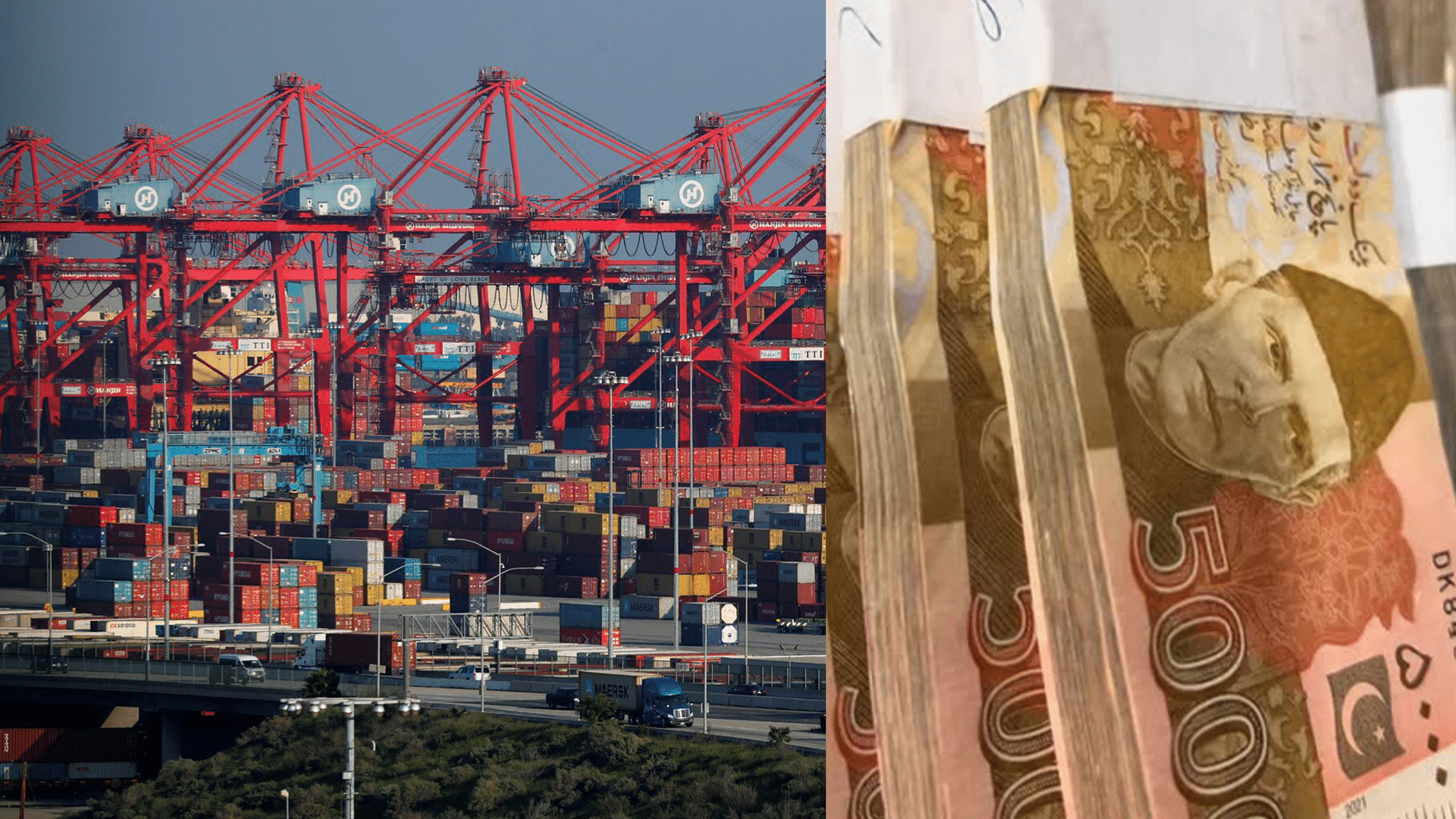
A systemic failure in fiscal precision has exposed catastrophic FBR import blunders totaling Rs. 3.56 billion. Structural inaccuracies in classification and valuation across 17 field offices directly hemorrhaged national revenue. Consequently, the Federal Board of Revenue (FBR) now faces intense scrutiny regarding its enforcement calibrated for the modern economy.
The Structural Impact of FBR Import Blunders
The audit identified 16 FBR field offices that incorrectly classified 7,585 import consignments. By using inaccurate Pakistan Customs Tariff (PCT) headings, these offices caused a short collection of Rs. 2.35 billion. Furthermore, authorities cleared various goods—including food products, mobile accessories, and power cables—under lower-tier tariff classifications.
In addition to classification errors, the report highlighted widespread undervaluation. Specifically, 17 field offices cleared 2,246 cases where importers declared values far below the actual market worth. This practice resulted in an additional loss of Rs. 1.20 billion to the national exchequer. Products ranging from household appliances to solar inverters bypassed standard valuation protocols.
Weak Enforcement and Stalled Recoveries
The department’s failure to implement Customs Valuation Rulings significantly weakened national customs enforcement. Currently, the department has recovered only Rs. 2.5 million of the total deficit. Meanwhile, cases involving over Rs. 1.46 billion remain stuck in various stages of legal proceedings. The audit also noted that the FBR failed to present sufficient evidence in challenged cases worth Rs. 1.27 billion.
The Situation Room: Strategic Analysis
The Translation (Clear Context)
Customs authorities use specific “PCT headings” to determine the tax rate for every item entering Pakistan. The FBR import blunders occurred when officials essentially labeled high-duty items as low-duty goods. This administrative friction creates a “shadow discount” for importers while depleting the state’s primary revenue stream.
The Socio-Economic Impact
This multi-billion rupee leakage directly affects the daily life of every Pakistani citizen. When the state fails to collect due revenue from large-scale imports, the fiscal deficit widens. Consequently, the government often resorts to increasing indirect taxes on essential commodities or utilities, placing a heavier burden on urban and rural households alike.
The “Forward Path” (Opinion)
These recurring FBR import blunders represent a critical need for a “Stabilization Move.” The continued reliance on manual classification is a catalyst for inefficiency. To achieve a momentum shift, Pakistan must transition toward AI-driven, automated valuation benchmarks. This would eliminate human discretion and secure the nation’s financial baseline.








