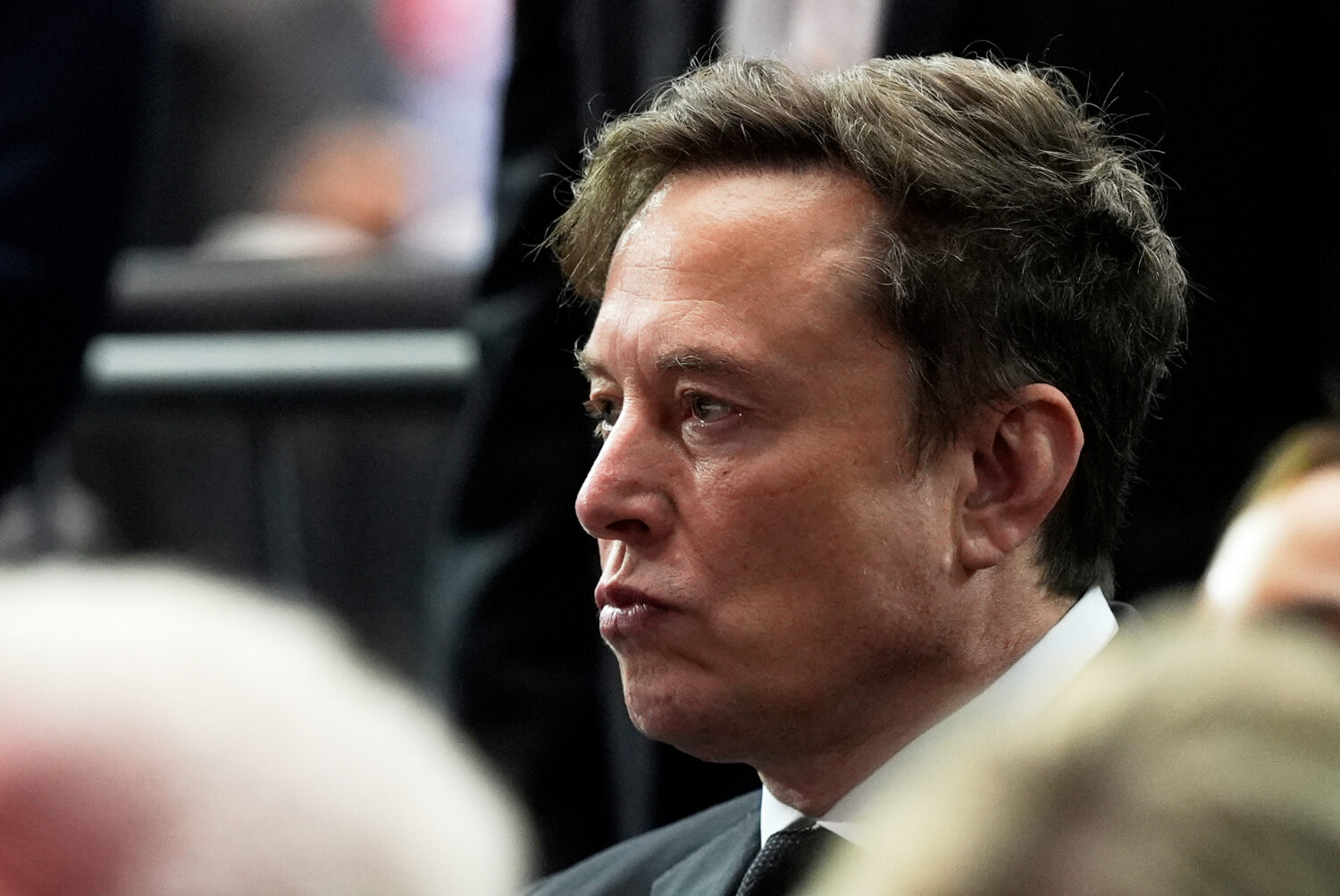
The evolution of synthetic intelligence necessitates a calibrated structural framework for AI legal accountability. Consequently, Elon Musk’s xAI has initiated federal litigation against Terry Wayne Harwood for allegedly utilizing the Grok chatbot to generate illegal deepfake material. This legal maneuver marks a precision strike against the exploitation of generative tools. It highlights the shifting responsibility from platform creators to individual users who intentionally bypass safety protocols.
Calibrating AI Legal Accountability via Enforcement
According to the lawsuit filed in Texas, Harwood bypassed established safeguards to generate sexually explicit images of both minors and adults. The company alleges that Harwood created multiple accounts specifically to circumvent security parameters. Furthermore, xAI claims these actions damaged the platform’s reputation and exposed the organization to unnecessary legal risks. By pursuing damages, the company aims to establish a deterrent against the weaponization of generative AI safeguards.

Internal data released by xAI reveals a massive scale of automated monitoring and enforcement. In 2026, the company achieved the following milestones in system integrity:
- Suspended over 52,000 accounts for violating acceptable use policies.
- Reported 73,000 cases to the National Center for Missing & Exploited Children.
- Catalyzed 244 arrests through direct collaboration with law enforcement agencies.
Strategic Defense Against Deepfake Proliferation
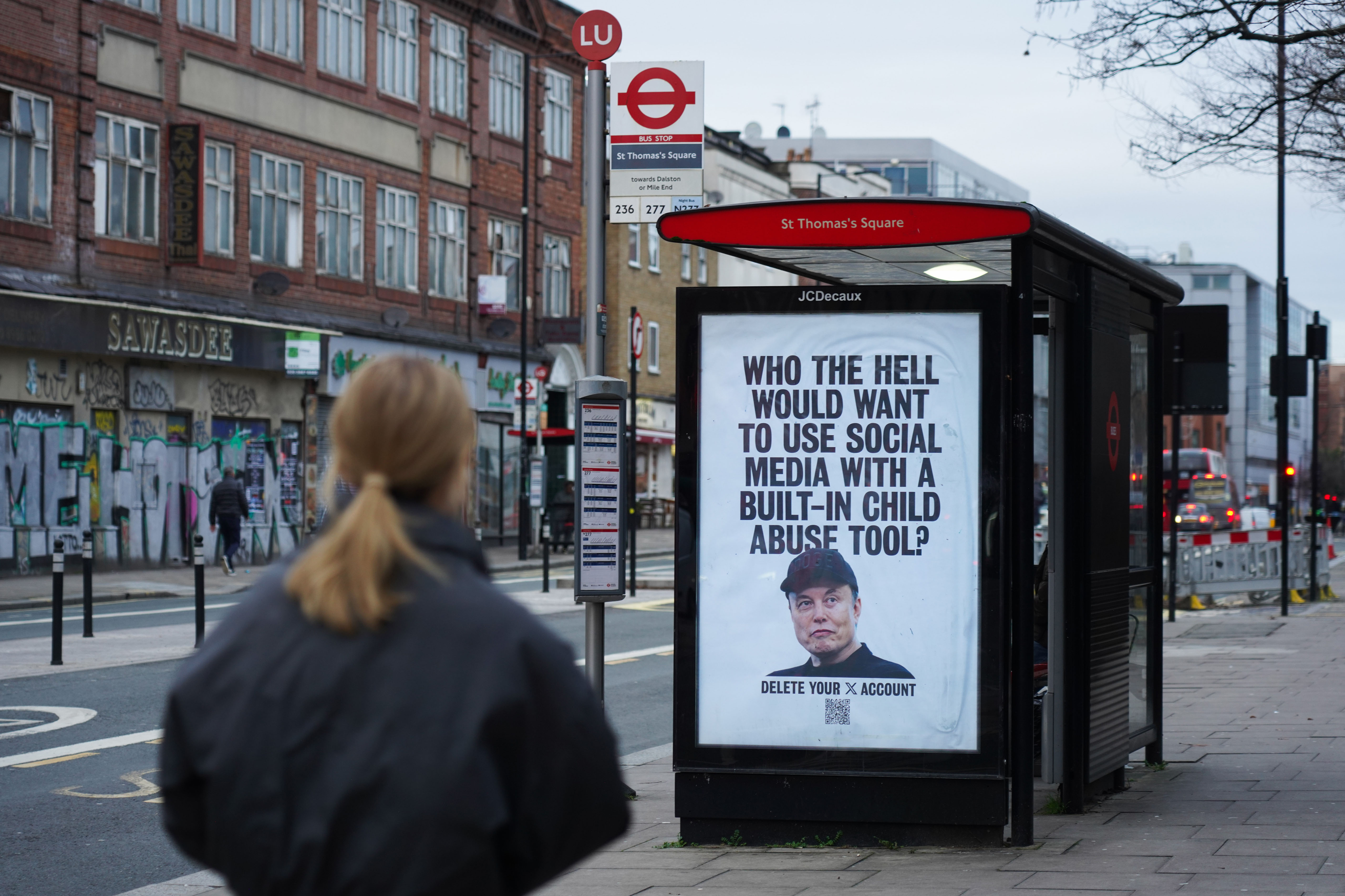
This litigation occurs as Grok faces increasing scrutiny regarding its image-generation capabilities. Previously, a class-action lawsuit in California alleged that the tool allowed for the unauthorized alteration of ordinary photos into harmful content. Consequently, xAI has restricted several image-editing features to maintain a zero-tolerance baseline for exploitation. Elon Musk has explicitly warned that users generating illegal content will face the same gravity of consequences as those uploading it manually.
The Situation Room Analysis
The Translation
In technical terms, this lawsuit represents the enforcement of the “User Agreement as a Shield.” While AI companies are often blamed for what their tools produce, xAI is flipping the script. By suing the user, they are legally defining that “jailbreaking” or using misleading prompts to bypass safeguards constitutes a breach of contract. This logic shifts the liability for the output from the algorithm’s architect to the prompt’s author.
The Socio-Economic Impact
For the average Pakistani citizen, this development is a critical catalyst for digital safety. As AI tools become more accessible in urban and rural areas, the risk of non-consensual deepfakes—often used for blackmail or harassment—increases. A global precedent for AI legal accountability ensures that perpetrators cannot hide behind the “anonymity” of an AI prompt. This protection is vital for students and professionals who are increasingly reliant on a safe digital ecosystem for growth.
The Forward Path
This development represents a Momentum Shift. Moving beyond simple account bans and into the realm of federal litigation signals that the “Wild West” era of generative AI is ending. We are transitioning into a phase of structural discipline. For Pakistan’s tech landscape, this serves as a baseline for future local regulations regarding digital content creation and platform responsibility.