
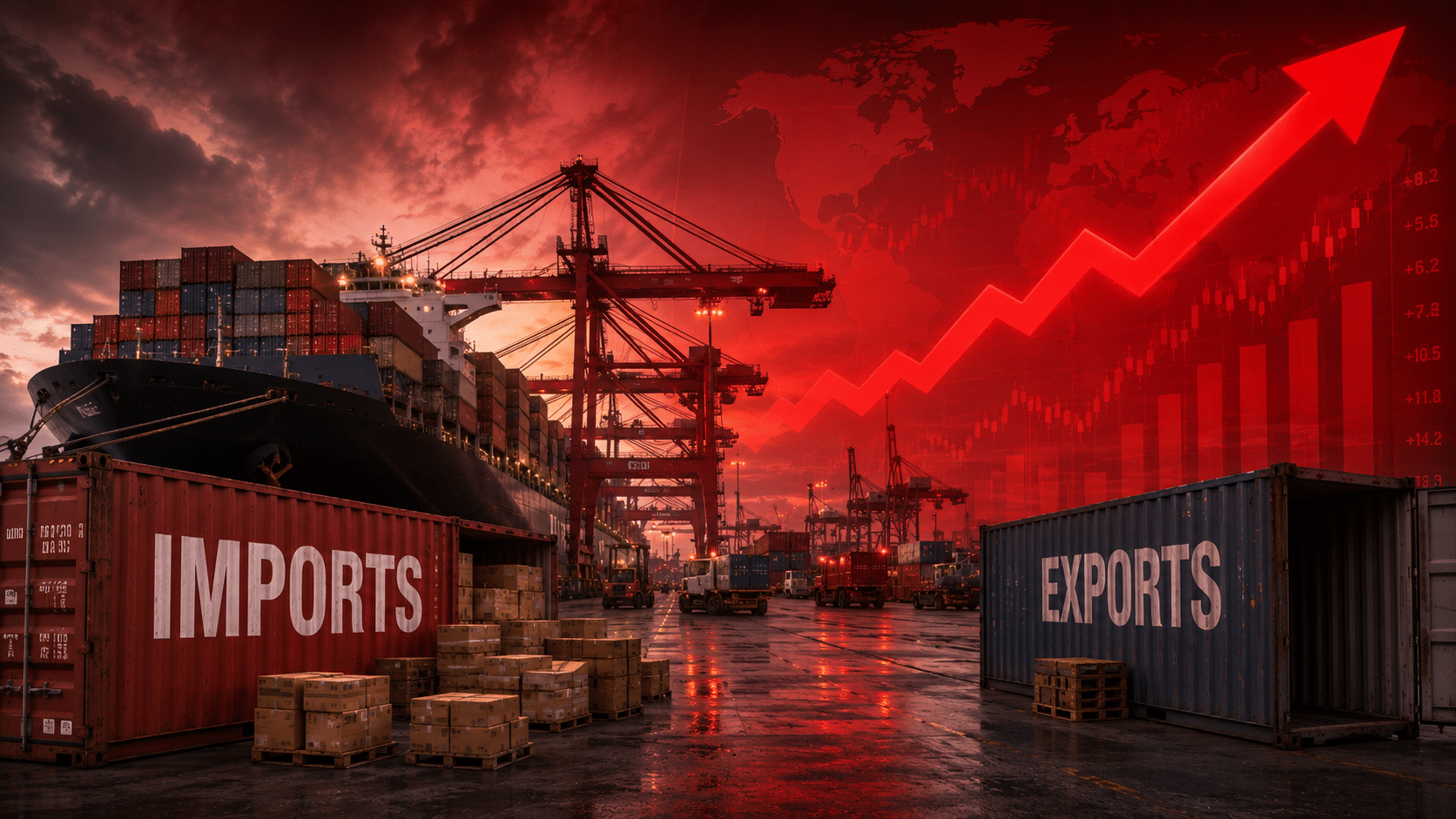
The structural stability of the national economy faces a calibrated challenge as the Pakistan trade deficit reached a critical juncture in June 2026. Data from the Pakistan Bureau of Statistics (PBS), analyzed by Topline Securities, reveals a concerning divergence between inbound and outbound trade flows. While exports retreated to a 14-month low of $2.25 billion, imports surged to a 48-month peak of $6.93 billion. This structural shift signals a widening gap that requires immediate macroeconomic precision.
Analyzing the Pakistan Trade Deficit Surge
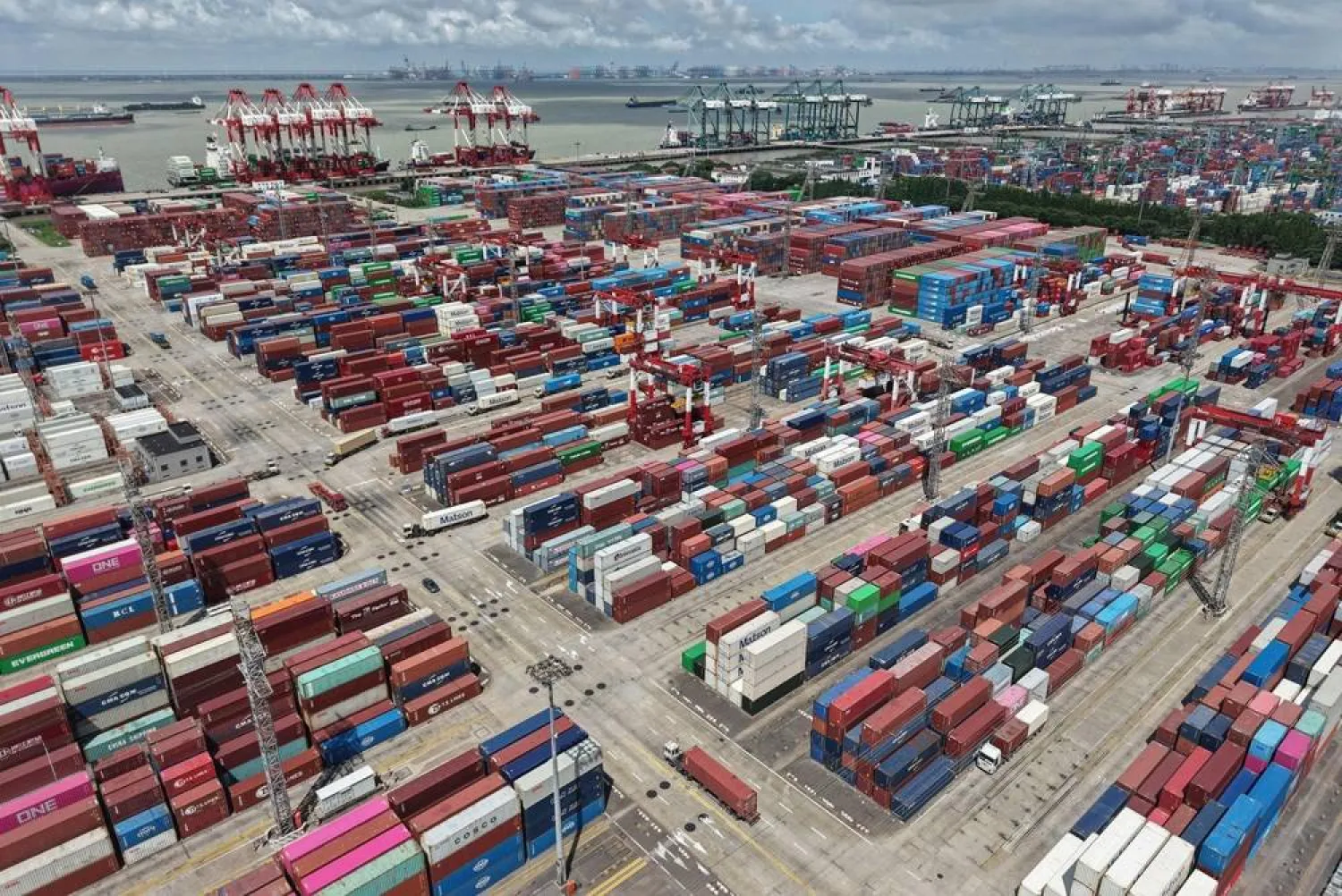
Consequently, the month-on-month data paints a vivid picture of systemic pressure. Exports declined by 16% compared to May, primarily driven by a sharp contraction in the textile sector. In contrast, imports climbed 27% within a single month. This imbalance highlights a growing dependence on foreign commodities at a time when domestic production output is struggling to maintain its baseline.
Sector-Specific Performance Metrics
The trade imbalance stems from volatility in several key industrial categories. Precision analysis of the FY2025-26 fiscal year shows the following trends:
- Textile Exports: Dropped to $1.27 billion in June, representing a 23% monthly decline and a 14-month low.
- Petroleum Imports: Surged to $1.91 billion, a massive 46% year-on-year increase that acts as a catalyst for the trade gap.
- Transport and Logistics: Imports in this sector rose by 57% year-on-year, reflecting high demand for machinery and vehicles.
- Agricultural Sector: Imports increased by 32%, indicating a potential shift in food security reliance.
The Situation Room Analysis
The Translation (Clear Context)
In technical terms, Pakistan is experiencing a “Trade Scissors” effect. This occurs when the cost of what we buy from the world (imports) rises sharply while the value of what we sell (exports) shrinks. The 29% surge in imports is not just a number; it represents a massive outflow of foreign exchange reserves. When textile exports—the backbone of our economy—drop by 17% in a year, it indicates that our primary engine of dollar earnings is losing its competitive edge on the global stage.
The Socio-Economic Impact
This Pakistan trade deficit expansion directly impacts the daily lives of citizens. As the demand for dollars to pay for petroleum and transport imports increases, the local currency often faces devaluation pressure. For the average Pakistani, this translates into higher fuel prices, increased electricity bills, and rising costs for imported food items. For students and professionals, this economic climate may lead to reduced industrial investment, potentially limiting high-value job opportunities in the manufacturing sector.
The Forward Path (Opinion)
We categorize this development as a Stabilization Move that has yet to yield results. While the surge in transport and agricultural imports suggests an attempt to modernize infrastructure and secure food supplies, the decline in exports is a strategic red flag. To pivot toward a “Momentum Shift,” Pakistan must move beyond a commodity-based export model. We need a calibrated transition toward high-tech manufacturing and digital services to bridge this gap. Without structural reform in the textile baseline, the trade imbalance will remain a persistent barrier to national advancement.









