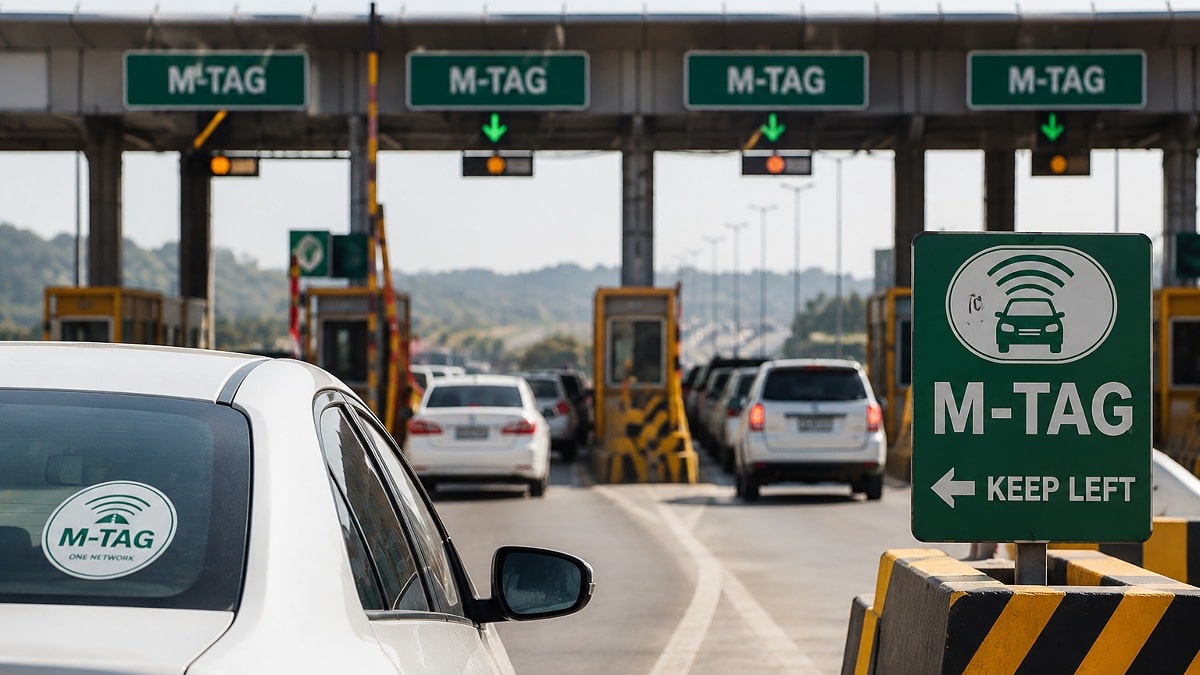
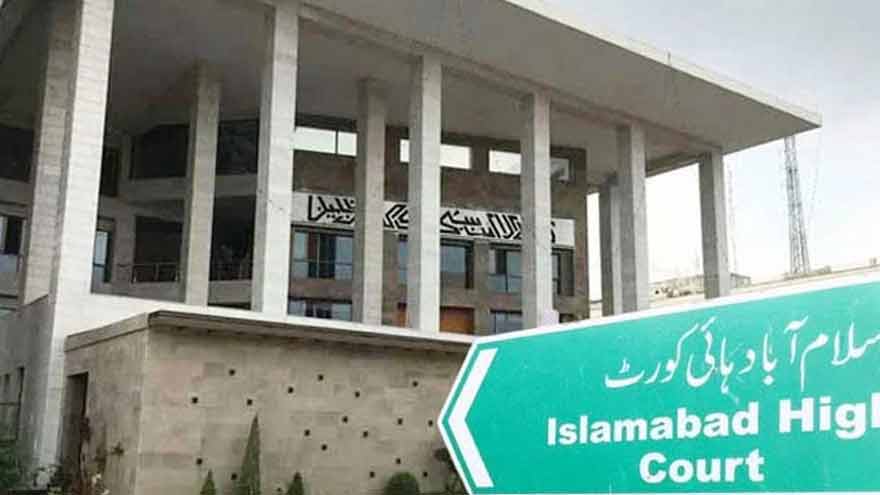
The Islamabad High Court (IHC) recently initiated a calibrated review of a motorway toll petition challenging a 50% surcharge on vehicles with insufficient M-Tag balances. Chief Justice Sardar Muhammad Sarfaraz Dogar issued formal notices to the Ministry of Communications following a legal challenge by the Judicial Activism Panel. This judicial inquiry probes whether the June 2025 notification lacks a rational legal foundation or exceeds administrative authority.
The Translation: Analyzing Administrative Precision
At its core, this legal challenge questions the structural integrity of the government’s digital enforcement strategy. The Ministry of Communications implemented a 50% penalty on motorists who enter motorways without a pre-calibrated M-Tag balance. While the government categorizes this as a “policy decision,” the petitioner argues that such a massive price surge is arbitrary. Consequently, the court must now determine if administrative efficiency justifies a disproportionate financial burden on the public.
The Socio-Economic Impact: Precision in Public Spending
The outcome of this motorway toll petition will serve as a catalyst for future digital governance in Pakistan. For the average citizen, the implications are immediate and structural:
- Household Budgeting: A 50% increase in transit costs disrupts the baseline monthly expenses for inter-city commuters.
- Logistics Efficiency: Small-scale freight operators face uncalibrated overheads, potentially driving up the cost of consumer goods.
- Systemic Fairness: The ruling will define whether technical errors (like low balance) should be met with corrective measures or punitive taxation.
The Forward Path: A Momentum Shift in Digital Rights
We categorize this development as a Momentum Shift. For too long, administrative notifications have bypassed the litmus test of “rational basis.” By issuing notices, the IHC is enforcing a higher standard of precision for government agencies. This move ensures that as Pakistan digitizes its infrastructure, the transition remains equitable rather than extractive. A victory for the petitioner would establish a baseline for consumer protection within the state’s technical systems.