
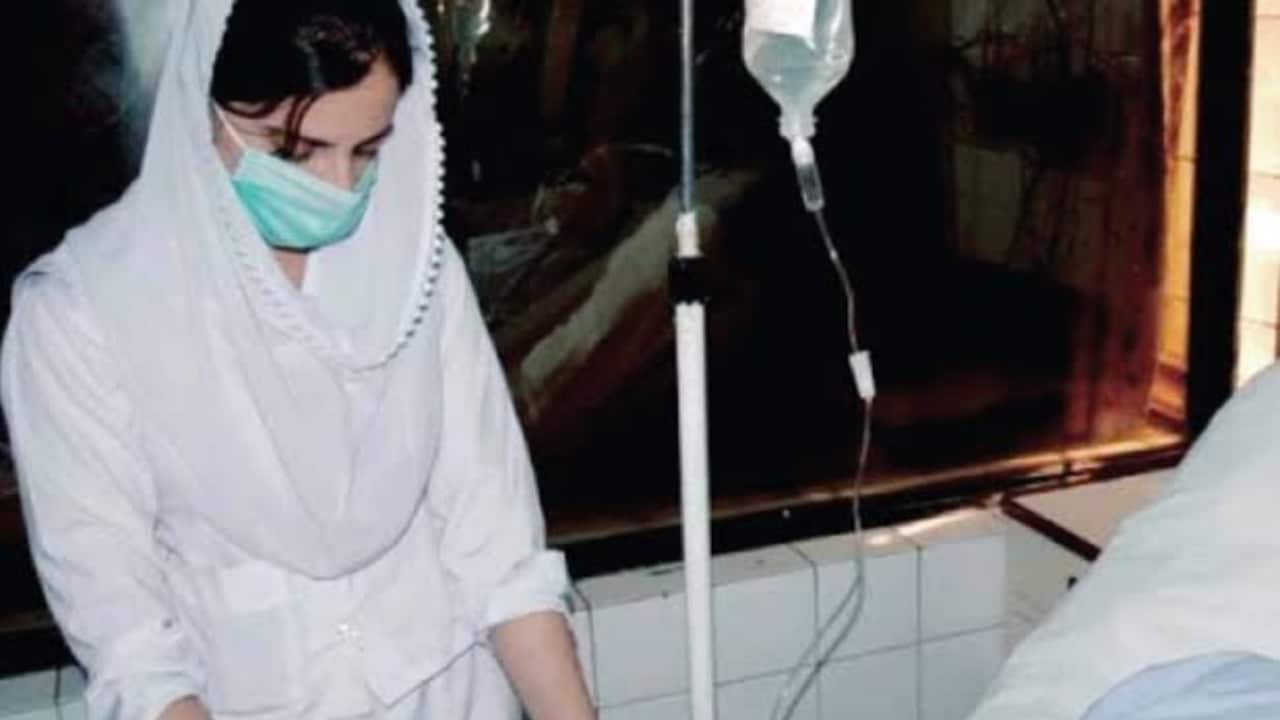
Structural integrity in healthcare depends on clear systemic identification. The Pakistan Nursing and Midwifery Council (PNMC) recently calibrated its professional standards by reinstating the traditional white Pakistan nursing uniform. This directive effectively replaces the deep navy attire introduced in early 2024, restoring a baseline of visibility and professional tradition across all provinces.
Calibrating the Pakistan Nursing Uniform Standards
The council issued an official circular to implement this mandatory shift for both female and male nursing staff. Consequently, the reinstatement aims to solve the problem of public recognition. Uniformity remains a catalyst for trust in clinical environments. When healthcare professionals maintain a consistent appearance, systemic efficiency improves through rapid identification.

Detailed Dress Code Specifications
Specific requirements have been outlined for all cadres. Female nurses must wear a white shalwar kameez paired with a white coat, a white dupatta, and black shoes. Additionally, during the winter months, the council permits a black jersey or coat to maintain thermal regulation without compromising professional standards.

Conversely, male nurses are now required to wear a white shirt, white trousers, and black shoes. Similar to their female colleagues, they may utilize a black jersey or coat in colder climates. The PNMC clarified that Intensive Care Units (ICUs) and operating theatres will retain their specialized attire based on individual hospital administration policies.

The Situation Room Analysis
The Translation (Clear Context)
The PNMC is effectively reversing a policy experiment from January 2024. By abandoning the navy blue scrubs and returning to white, the council is acknowledging that established visual cues are difficult to override in the public consciousness. In Pakistan, the white Pakistan nursing uniform is a high-intent signal of authority and care that has existed for decades. Reverting to this standard eliminates the confusion caused by the recent transition to darker tones.

The Socio-Economic Impact
For the average Pakistani citizen, this change simplifies hospital navigation. In high-pressure medical situations, every second counts. Clear visual identification ensures that patients and their families can distinguish nursing staff from other workers immediately. This change particularly benefits rural populations who rely heavily on visual cues rather than ID badges. Ultimately, this move strengthens the social contract between the healthcare system and the community it serves.

The Forward Path (Opinion)
This development represents a Stabilization Move. While modernizing healthcare often involves new tech and aesthetics, structural progress sometimes requires maintaining established baselines. The PNMC is right to prioritize public recognition over aesthetic experimentation. This move restores the professional catalyst required to maintain order and authority within our nation’s clinical facilities.









