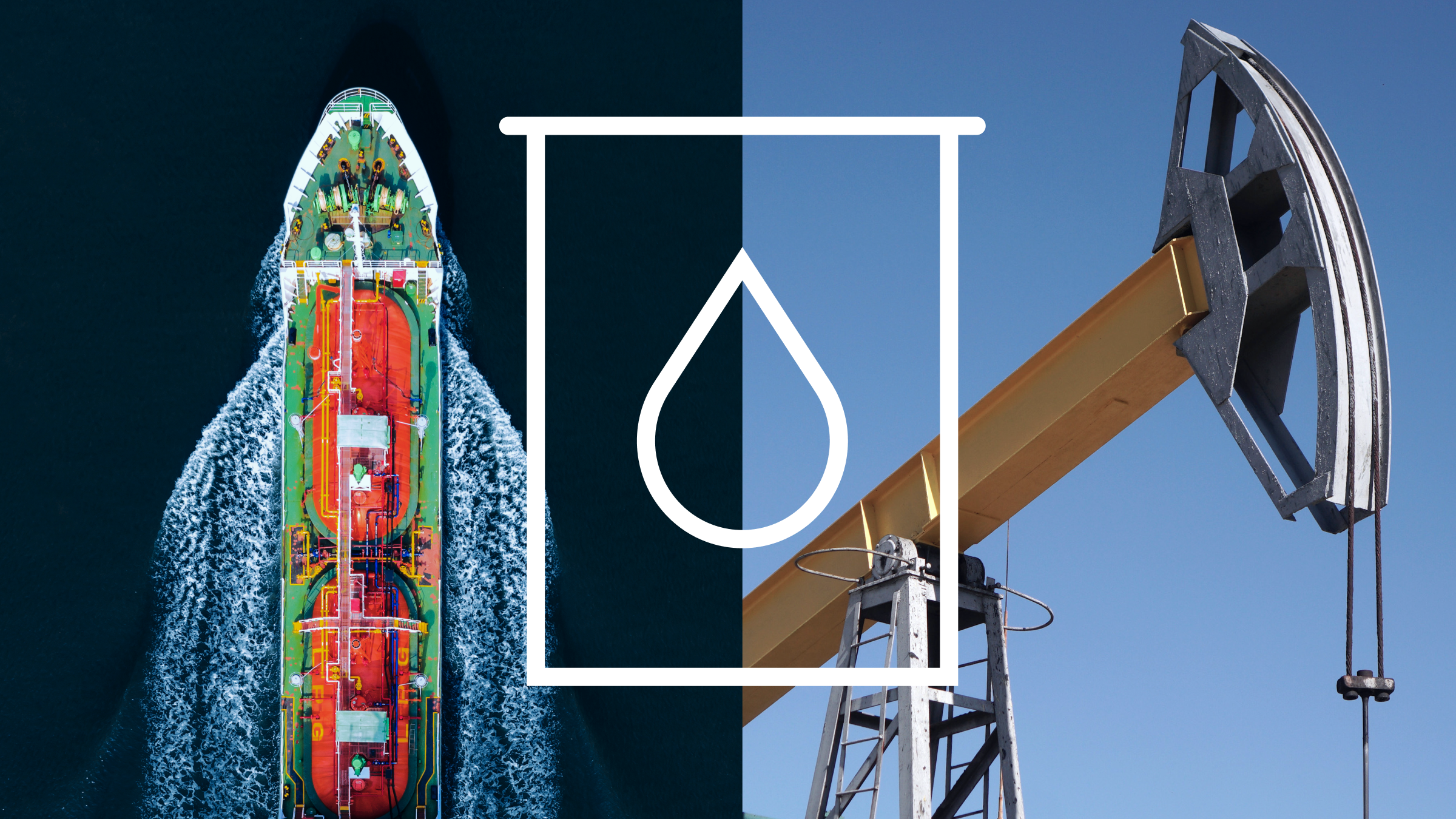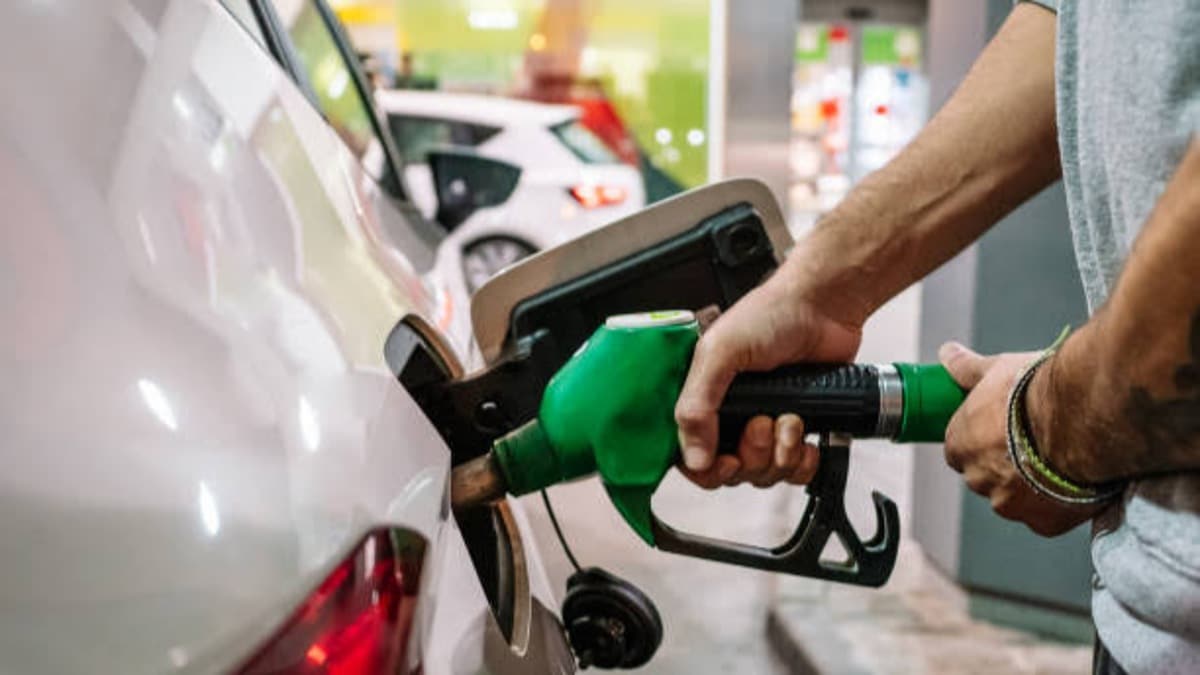
The integrity of the national energy grid depends on precision-timed logistics, yet a critical Pakistan petrol shortage risk now threatens to disrupt urban and rural mobility. Currently, the Oil Companies Advisory Council (OCAC) reports that fuel stocks have declined to approximately 370,000 metric tons. This volume represents a mere 15-day baseline for national consumption. Consequently, the industry has issued an urgent warning to Petroleum Minister Ali Pervaiz Malik regarding the fragility of the current supply chain.
Strategic Bottlenecks and the Pakistan Petrol Shortage
Structural inefficiencies in the WEBOC customs clearance system are currently preventing imported cargoes from entering the domestic market. Specifically, three vital petrol shipments scheduled for mid-July require immediate clearance to prevent a total depletion of upcountry inventories. Furthermore, the National Coordination and Management Council recently declined a planned Pakistan State Oil import, which significantly tightened the existing supply margin.

The “Situation Room” Analysis: The Translation
In technical terms, Pakistan is experiencing a “synchronized supply failure.” This occurs when financial liquidity constraints meet administrative bottlenecks. The Pakistan petrol shortage is not merely a lack of physical product; it is a failure of the “Price Differential Claims” system. Oil marketing companies are currently owed Rs. 66.7 billion. This unpaid debt prevents these firms from securing the working capital needed to purchase new fuel at rising global market rates.

Impact on National Advancement

The “Situation Room” Analysis: Socio-Economic Impact
A Pakistan petrol shortage forces an immediate recalibration of the daily life for every citizen. For the urban professional, this translates to increased transport costs and the risk of localized “dry out” at fuel stations. For rural households, it threatens the logistics of agricultural distribution. Moreover, the anticipation of higher international prices has triggered panic-buying and hoarding, which further accelerates the depletion of available stocks, creating an artificial scarcity before the actual shortage even peaks.
The “Situation Room” Analysis: The Forward Path
This development represents a Momentum Shift toward high-risk instability rather than simple maintenance. To stabilize the system, the government must execute three precise moves. First, they must immediately release the outstanding Rs. 66.7 billion in claims. Second, the customs clearance process must be digitized and fast-tracked. Finally, Pakistan must diversify its energy storage capacity to move beyond the current 15-day vulnerability. Without these structural corrections, the fuel grid remains a catalyst for economic volatility.

- Immediate Liquidity: Release of Rs. 66.7 billion to OMCs.
- Customs Efficiency: Accelerated WEBOC clearance for petrol cargoes.
- Infrastructure: Expansion of national fuel storage baselines.