
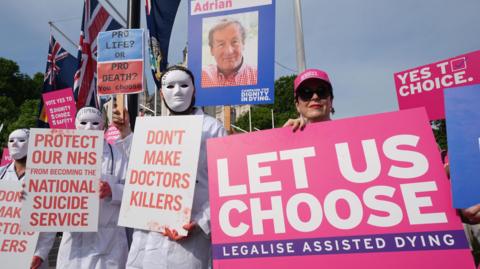
French lawmakers recently approved assisted dying legislation, marking a structural shift in European healthcare policy for terminally ill patients. The National Assembly passed the bill with a 291 to 241 vote, signifying a calibrated move toward individual autonomy in end-of-life care. This precision-driven policy seeks to balance medical ethics with the human right to dignity during terminal suffering.
Structural Parameters of the Assisted Dying Legislation
The proposed framework establishes a rigorous baseline for eligibility. Consequently, the law applies only to adults facing serious, incurable, and life-threatening illnesses. Furthermore, the condition must be in an advanced or terminal stage, causing physical or psychological suffering that treatment cannot alleviate. Patients must voluntarily initiate the request, ensuring the process remains a matter of individual agency.

Procedural Safeguards and Medical Oversight
To maintain system efficiency and ethical safety, the legislation outlines a strict multi-step protocol:
- Medical Assessment: A doctor must evaluate the patient’s eligibility and consult with other medical professionals within a 15-day window.
- Reflection Period: A mandatory two-day waiting period ensures the decision remains stable and certain.
- Administration: The patient typically administers the medication. However, if they are physically incapable, a doctor or nurse may provide direct assistance.
The Translation: Beyond the Jargon
This assisted dying legislation is not a deregulation of medical practice; rather, it is a strategic codification of end-of-life rights. Previously, France operated under a “passive” model where doctors could sedate patients but not actively assist in death. This new bill shifts the logic toward “active” assistance, providing a clear legal catalyst for patients who find their current palliative options insufficient.
The Socio-Economic Impact
For the average Pakistani citizen looking at global trends, this development highlights the evolving baseline of healthcare rights. In a socio-economic context, such legislation reduces the prolonged financial and emotional trauma on households dealing with incurable suffering. Moreover, it allows healthcare systems to reallocate intensive care resources toward patients with recoverable conditions, optimizing overall medical infrastructure efficiency.
The Forward Path: Innovator’s Opinion
We view this development as a Momentum Shift in global medical governance. By moving away from rigid traditionalism toward a data-backed, empathetic framework, France is setting a new precision standard for patient rights. While the bill still requires a constitutional review, its passage signals that the future of healthcare lies in personal liberty and calibrated medical intervention.