

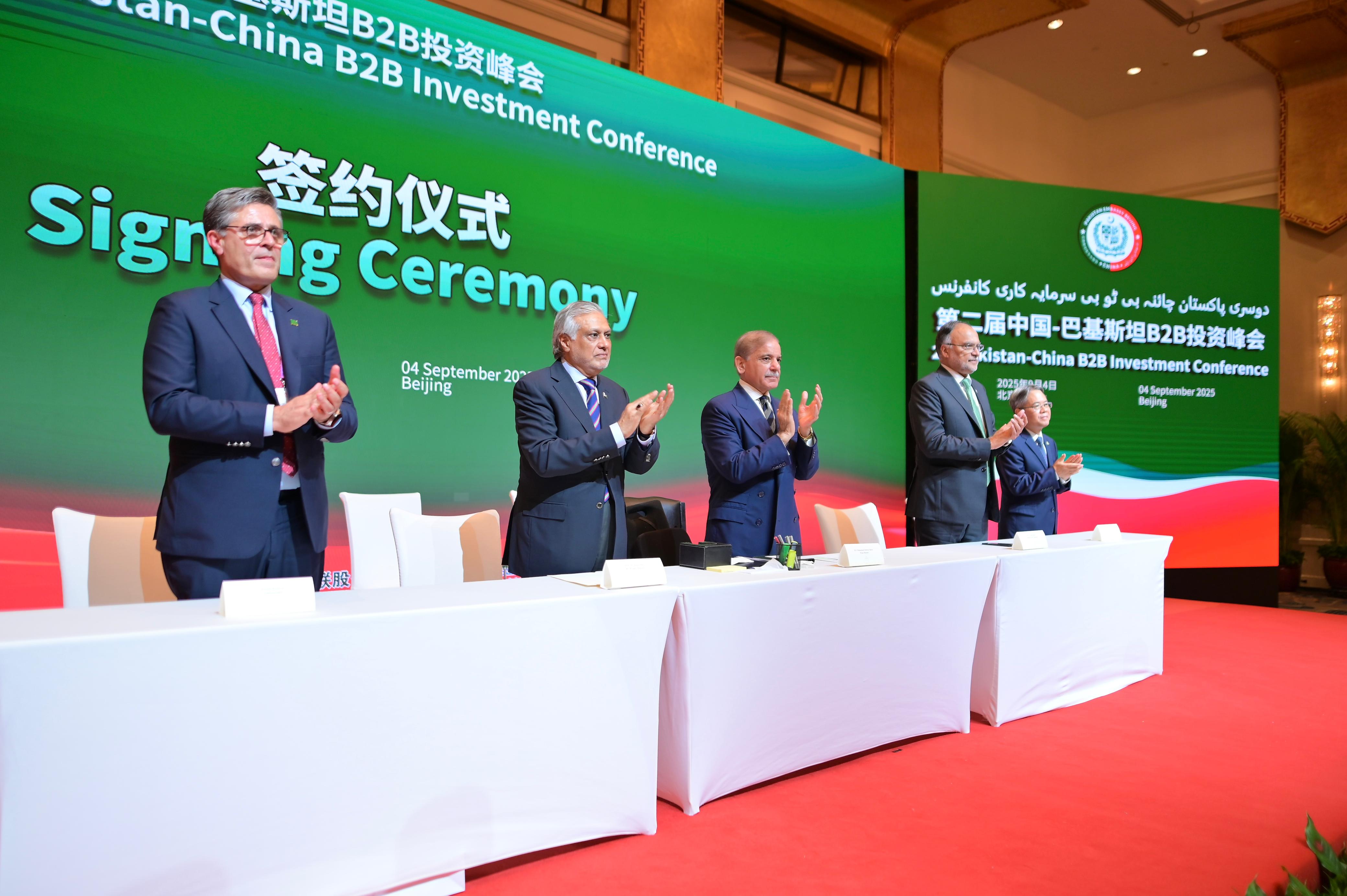
Pakistan’s economic architecture is undergoing a strategic recalibration as the nation secures over $20 billion in China-Pakistan investment commitments. This structural shift signals a transition from high-level diplomacy to granular commercial execution. Ambassador Khalil Hashmi recently briefed Finance Minister Muhammad Aurangzeb on these developments, noting that many commitments have already evolved into formal commercial arrangements. Consequently, the embassy has established a dedicated monitoring mechanism to ensure the precision and baseline efficiency of these upcoming projects.
Strengthening the Architecture of China-Pakistan Investment
The Pakistani Embassy in Beijing currently engages with over 150 Chinese companies through its centralized investment platform. This strategic outreach has catalyzed interest in diverse sectors, moving beyond traditional infrastructure into high-tech domains. Specifically, investors are targeting manufacturing, logistics, pharmaceuticals, biotechnology, and textiles. To date, officials have concluded nine agreements within the pharmaceutical and biotechnology sectors, representing a significant momentum shift for Pakistan’s healthcare industry.
Integrating Small and Medium Enterprises (SMEs)
A core component of this economic roadmap involves the integration of Small and Medium Enterprises (SMEs). By partnering with leading Chinese industrial platforms, Pakistani businesses can access global supply chains and advanced technical expertise. Furthermore, the government is refining investor facilitation protocols to minimize friction between Chinese capital and local operators. This collaborative framework aims to create a precision-aligned ecosystem where both local and foreign entities thrive.
The “Situation Room” Analysis
The Translation (Clear Context)
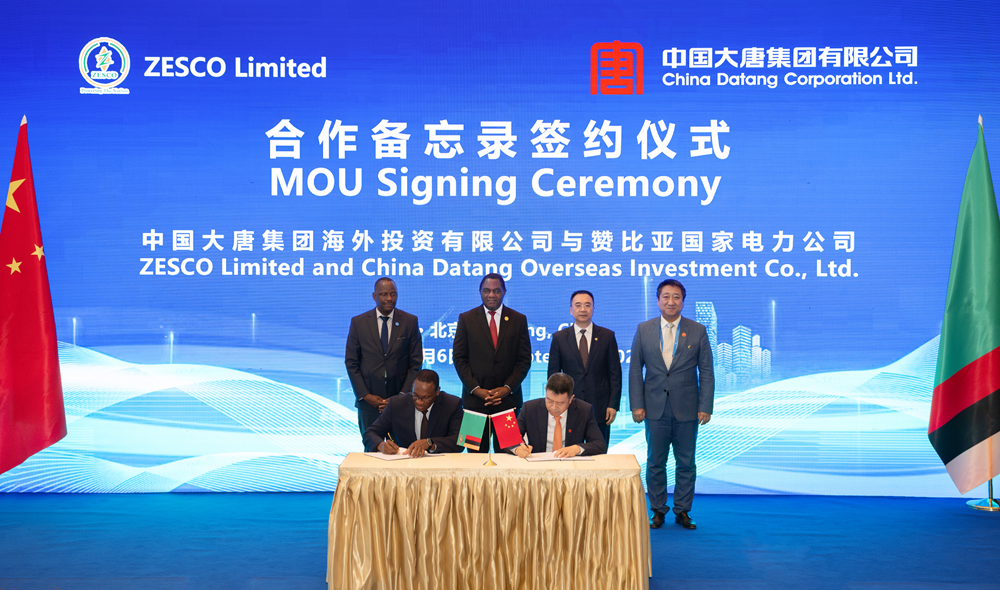
The signing of $20 billion in MoUs indicates a “Phase 2” maturity in bilateral relations. While previous phases focused on state-led infrastructure, this new wave emphasizes B2B (Business-to-Business) connectivity. The move from “Memoranda” to “Commercial Agreements” suggests that the capital is ready to move, provided the local regulatory environment remains stable and transparent.

The Socio-Economic Impact
For the average Pakistani citizen, this investment translates into specialized job opportunities and structural skills development. The embassy’s focus on aligning vocational training with Chinese industrial needs ensures that the local workforce is not just employed, but highly skilled in modern manufacturing. This approach stabilizes household incomes and elevates the technical baseline of the urban and rural workforce alike.
The “Forward Path” (Opinion)
This development represents a Momentum Shift. By diversifying investments into pharmaceuticals and biotechnology, Pakistan is moving up the value chain. To sustain this catalyst, the government must maintain rigid policy consistency. If the embassy’s monitoring mechanism remains disciplined, this $20 billion pipeline will serve as the structural foundation for Pakistan’s next industrial era.








