
Samsung recently calibrated its communication strategy regarding Samsung Health AI training data. This move addresses significant user concerns about biometric privacy and cloud synchronization. Consequently, the tech giant confirmed that health-analysis algorithms remain distinct from core services. Users may now opt out of AI modeling without sacrificing their critical health backups. This structural clarity ensures the digital wellness ecosystem remains both secure and efficient for the global baseline of users.
Decoupling AI Training from Core Services
Samsung issued a formal clarification to explain the architectural separation between operational data and AI development sets. Specifically, the data harvested for Samsung Health AI training does not influence the standard app performance. If a user withdraws consent, the system deletes only the data partitioned for AI modeling. Therefore, your primary medical records, sleep history, and activity logs remain intact within the standard service layer.
Furthermore, the company emphasized that data used for training will no longer be accessible once a user revokes permission. This precision in data management aims to rebuild trust among privacy-conscious consumers who felt coerced by previous notifications.
Resolving the Consent Prompt Discrepancy
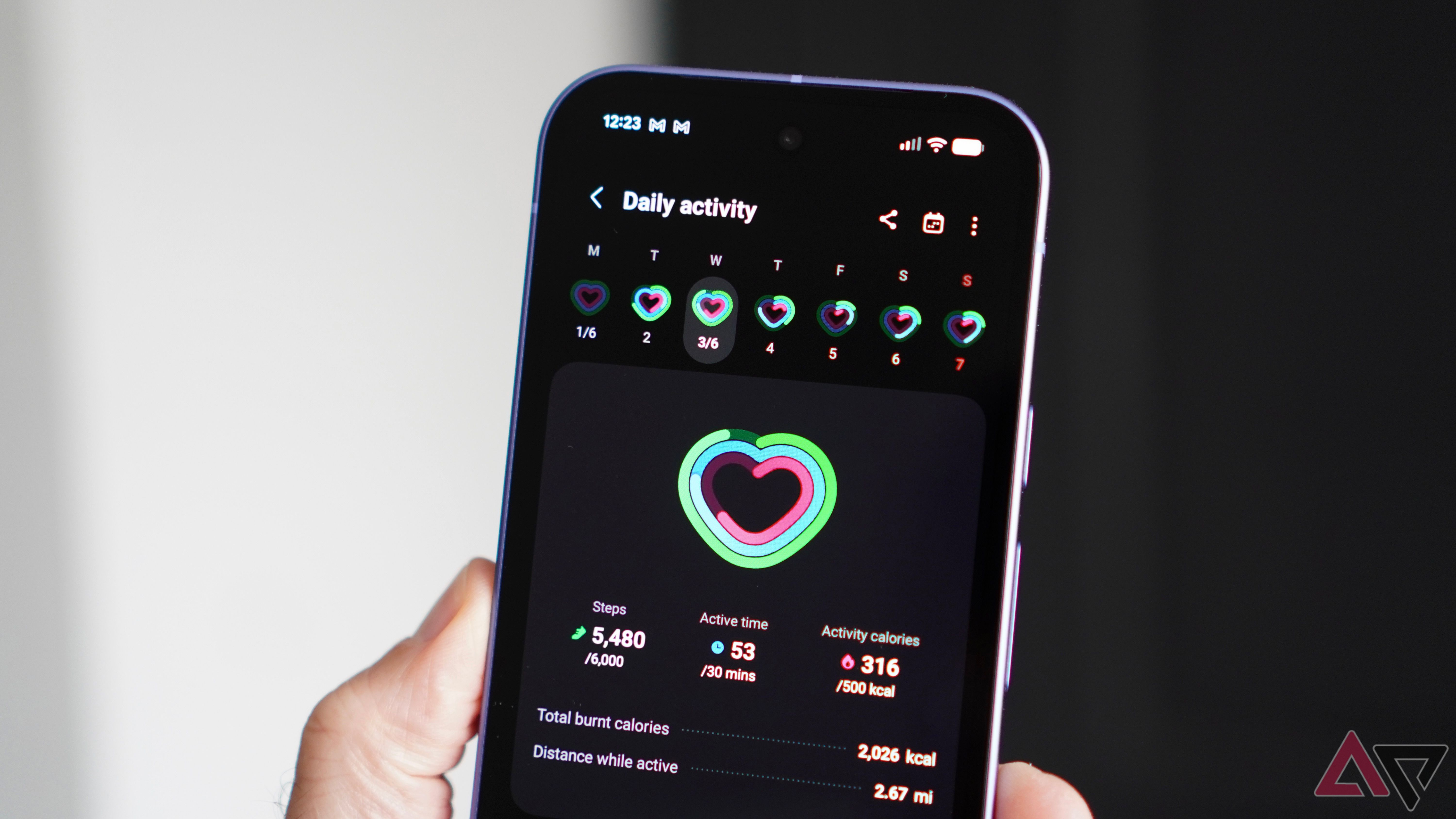
The controversy emerged when users encountered a prompt titled “Consent to the Use of Health Data for AI Training and Modelling.” The initial wording suggested that refusing permission would trigger the total deletion of health data. This ambiguity created a false choice between privacy and utility. The scope of the data involved is comprehensive, including:
- Sleep and Activity: Detailed biometric patterns.
- Nutrition and Body Metrics: Physical health baseline data.
- Sensitive Records: Medication logs and menstrual-cycle tracking.

Fortunately, internal testing confirms that cloud synchronization remains operational even after withdrawing consent. The Samsung Cloud toggle stays active, proving the original notice was a linguistic error rather than a structural limitation.
The Situation Room Analysis
The Translation
In technical terms, Samsung is utilizing a Sandboxed Data Protocol. This means they are creating a “copy” of your data for their AI lab while keeping the “original” in your personal cloud. The original confusion stemmed from a failure in Closed-Loop Communication, where the legal disclaimer failed to distinguish between these two separate data environments.
The Socio-Economic Impact
For the average Pakistani citizen, this development is a catalyst for Digital Literacy. As we integrate more IoT devices into our households, understanding that we own our biometric signatures is vital. This situation highlights the importance of transparent data governance. It ensures that students and professionals can use modern health tech without fear of their private biological data being leveraged without clear, granular consent.

The Forward Path
This event represents a Momentum Shift in corporate accountability. Samsung’s decision to reword their notice is a strategic stabilization move that prioritizes user agency. For Pakistan’s growing tech sector, the lesson is clear: Precision in user-facing documentation is not just a legal requirement but a structural necessity for building sustainable digital trust.








