

Pakistan currently faces a structural challenge as fuel smuggling operations introduce six million litres of illegal oil into the domestic market daily. This systemic drain, recently highlighted by the Oil Companies Advisory Council (OCAC), causes an annual fiscal leak of approximately Rs. 280 billion. Consequently, these unregulated inflows destabilize the energy sector and erode the foundation of legitimate downstream businesses that drive national progress.
The Structural Impact of Fuel Smuggling on Energy Markets
The downstream oil industry representative body issued a stern warning regarding the precision of these smuggling networks. Furthermore, the OCAC emphasized that every litre of illegal fuel undermines the nation’s energy future. These activities do more than just bypass taxes; they create an uneven playing field for regulated companies. Notably, the illegal trade weakens the formal petroleum sector, reducing the government’s capacity to reinvest in critical infrastructure.
The Translation: Precision Behind the Chaos
In technical terms, the influx of 6 million litres daily creates a “shadow supply chain.” This supply chain operates outside the calibrated oversight of the government. While the consumer might see a lower price at the point of sale, the logic behind the facts reveals a darker reality. The lack of quality control and the evasion of the Petroleum Levy means the state loses the primary catalyst for road and energy development. Specifically, fuel smuggling acts as a friction point that slows down the modernization of our national refinery systems.
Analyzing the Socio-Economic Impact
How does this systemic leak change the daily life of a Pakistani citizen? For the urban professional and the rural household, the impact is structural. When the national exchequer loses Rs. 280 billion, the government often resorts to higher indirect taxes on other goods to bridge the deficit. Moreover, legitimate businesses that provide safe, high-quality fuel face unfair competition, leading to potential job losses in the formal sector. Ultimately, the presence of low-quality, smuggled fuel can damage vehicle engines, increasing maintenance costs for the average commuter.
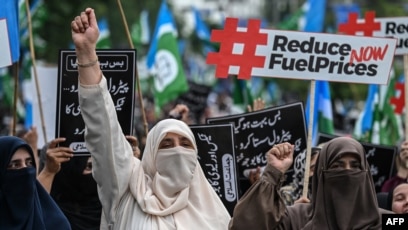
The Forward Path: Momentum Shift or Stabilization?
The OCAC has called for swift enforcement measures to dismantle the illegal supply chain. In my expert opinion, this development represents a Momentum Shift in how we perceive national security. We must view energy security through a STEM-driven lens where border management is integrated with digital monitoring. To stabilize the economy, the government must move beyond temporary crackdowns. We require a strategic, tech-enabled baseline to monitor every drop of fuel from the port to the pump. Only then can we ensure that Pakistan’s energy sector serves as a catalyst for growth rather than a victim of structural inefficiency.








