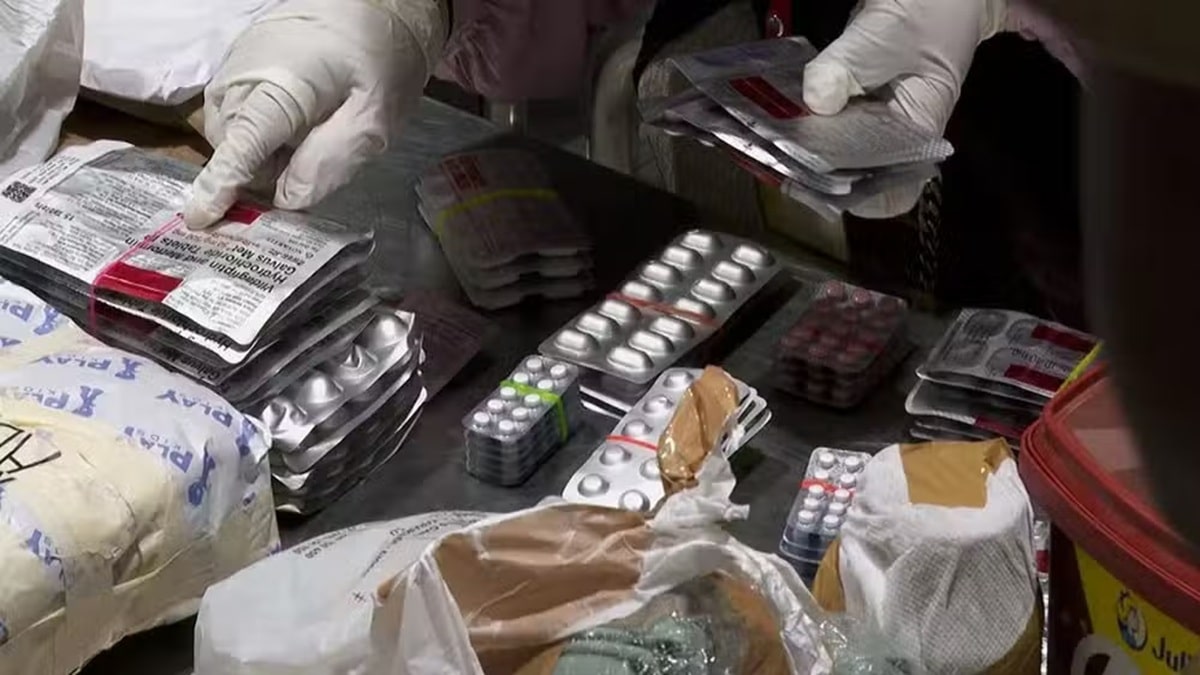
The structural integrity of Pakistan’s healthcare supply chain depends on rigorous enforcement against counterfeit operations. Consequently, the recent closure of a fake medicine factory in Ghori Town, Islamabad, serves as a critical baseline for national drug security. A joint strategic operation by the Drug Regulatory Authority of Pakistan (DRAP) and the Federal Investigation Agency (FIA) dismantled the illegal unit operating within a residential premises.
Strategic Shutdown of Illegal Fake Medicine Factory
During the precision-led raid, authorities uncovered a sophisticated illegal manufacturing system producing both human and veterinary products. The facility lacked all mandatory registrations and manufacturing licenses required by national law. Specifically, officials seized finished medicines, raw chemical materials, and complex packaging supplies intended for unauthorized distribution.
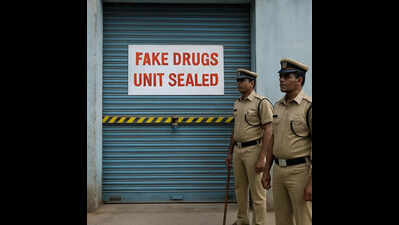
Furthermore, the inventory included high-value poultry medicines valued at millions of rupees. DRAP officials reported that certain recovered units carried market values of up to Rs. 40,000 per unit. Consequently, the FIA arrested two employees on-site and registered a formal case to initiate legal proceedings. Authorities successfully sealed the entire perimeter to preserve forensic evidence for the ongoing investigation.
The Translation: Decoding Regulatory Enforcement
In technical terms, this operation addresses a massive breach in the “Cold Chain” and “Good Manufacturing Practice” (GMP) protocols. An unlicensed fake medicine factory operates without calibrated quality control, meaning the chemical potency of the drugs is entirely unverified. By dismantling this node, DRAP prevents the introduction of sub-therapeutic or toxic substances into the legitimate pharmaceutical market.
The Socio-Economic Impact: Protecting the Citizenry
This development directly impacts the safety of every Pakistani household. Counterfeit medicines represent a dual threat: they fail to cure illnesses while simultaneously draining the financial resources of vulnerable families. For the agricultural sector, the seizure of poultry medicines prevents potential livestock epidemics that could destabilize food prices. Economically, these raids protect legitimate manufacturers who contribute to the national GDP through fair competition.

The Forward Path: A Stabilization Move
Next Generation Pakistan views this operation as a vital Stabilization Move. While the raid demonstrates high-level coordination between DRAP and the FIA, the existence of such a facility in a residential area highlights a need for better urban surveillance. This action reinforces the rule of law, yet long-term success requires a digitized tracking system for all pharmaceutical raw materials to prevent illegal diversion at the source.