
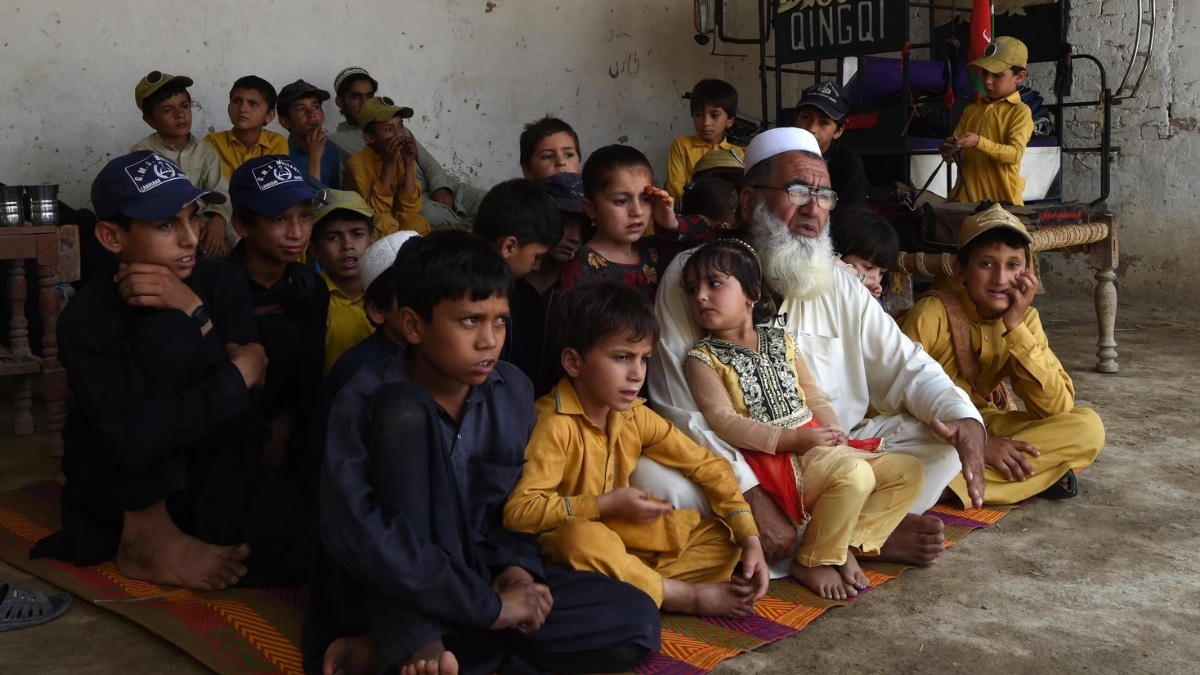
The demographic architecture of Pakistan has reached a state of critical mass. Recently, the United Nations Population Fund (UNFPA) officially declared that Pakistan’s population growth has transitioned from a localized health challenge into a fundamental national security issue. This systemic shift necessitates a calibrated, multi-sectoral response from the country’s military, political, and social leadership to maintain regional stability.
A Strategic Pivot in Demographic Management
During a briefing for World Population Day 2026, Dr. Luay Shabaneh reported that the national population has surged to approximately 257.2 million individuals. Notably, nearly one-third of this demographic falls between the ages of 10 and 24. Consequently, the government has integrated population management into the highest levels of strategic planning. Prime Minister Shehbaz Sharif now chairs the National Population Council (NPC), with Field Marshal Syed Asim Munir included to ensure economic and social cohesion.
Strategic Impacts of Pakistan’s Population Growth
Effective resource allocation depends on stabilizing these growth rates. The UNFPA’s global report, Lives, Choices and Futures, highlights that 53% of Pakistani youth identify economic uncertainty and security risks as their primary concerns. Therefore, the state must align its infrastructure with the actual needs of its citizens. Addressing Pakistan’s population growth is no longer optional; it is a structural necessity for the state’s survival.
The Translation: Contextualizing the Crisis
When the UN classifies population as a “national security issue,” it moves the conversation beyond reproductive health. This designation implies that the current growth rate threatens the state’s ability to provide water, food, and energy. By including military leadership in the National Population Council, Pakistan acknowledges that demographic pressure can lead to civil instability. The logic is simple: a system cannot maintain order if the demand for resources consistently exceeds the supply infrastructure.
The Socio-Economic Impact: Daily Life in Pakistan
For the average Pakistani household, this development manifests as increased competition for quality public services. Students face overcrowded classrooms, while professionals encounter a saturated job market where supply outstrips demand. However, there is a significant digital opportunity. As one of the world’s largest freelance workforces, expanding internet access for rural youth could convert this demographic pressure into a high-precision economic engine. Without these skills, the “demographic dividend” risks becoming a permanent economic burden.
The Forward Path: Our Analytical Verdict
This development represents a Momentum Shift. For the first time, Pakistan is treating demographics with the same precision as kinetic security threats. While the numbers are daunting, the administrative shift to a multi-stakeholder council suggests a move toward structural efficiency. Success now depends on whether religious and social leaders can synchronize their messaging with this new national baseline. Precision in policy execution will determine if this youthful surge becomes a catalyst for progress or a source of friction.








