
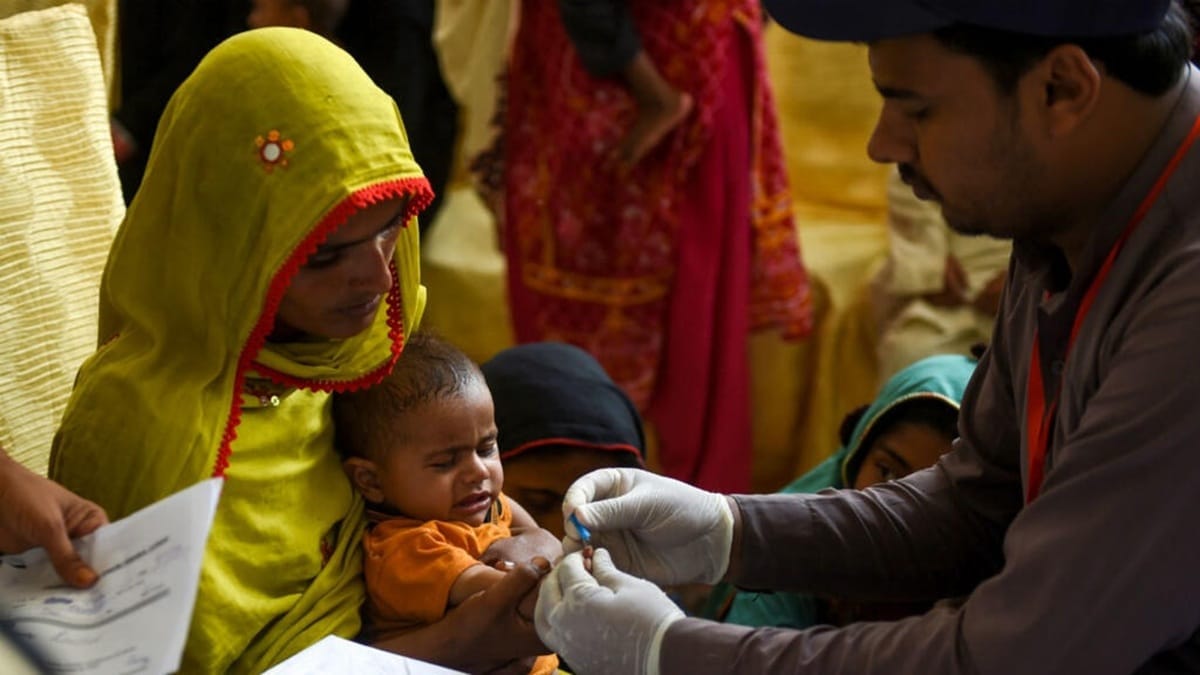
The integrity of a nation’s healthcare infrastructure is measured by its precision in protecting the most vulnerable. Recently, the Sindh HIV outbreak at Kulsum Bai Valika Hospital revealed structural failures in infection control, leading to 80 confirmed pediatric cases. Consequently, Chief Minister Murad Ali Shah has pivoted from baseline assessment to strategic accountability, demanding a calibrated response to this healthcare crisis.
Investigating the Clinical Breakdown
The first six cases emerged on October 23, 2025, triggering a comprehensive audit by the Labour Department and the Sindh Employees’ Social Security Institution (SESSI). Specifically, the investigation linked 16 primary cases directly to the hospital’s pediatric department. The inquiry committee identified a series of systemic lapses that facilitated the spread of the virus.
Critical failures identified in the technical report include:
- Weak sterilization checks for reusable medical instruments.
- Substandard biomedical waste disposal practices.
- Chronic shortages of disposable medical supplies and biohazard containers.
- Inadequate record-keeping that hindered patient tracking and follow-up.
- Potential mishandling of syringes and protective equipment by staff.
The Translation: Decoding Systemic Failure
In clinical terms, the Sindh HIV outbreak resulted from a breach in the “sterile chain.” Healthcare systems rely on strict procedural adherence to prevent cross-contamination. When disposable equipment is reused or sterilization cycles are bypassed, the hospital environment shifts from a place of healing to a vector for infection. The logic here is clear: precision in protocol is the only safeguard against biological hazards.
Socio-Economic Impact: The Cost of Negligence
This crisis directly impacts the daily lives of labor-class families who depend on SESSI-managed facilities. For a Pakistani household, an HIV diagnosis introduces a lifelong medical and financial burden. Beyond the immediate health concerns, these families now face social stigma and the psychological trauma of institutional betrayal. Furthermore, this event erodes public trust in urban healthcare systems, potentially causing parents to avoid essential pediatric care in the future.
The Forward Path: A Stabilization Move
While the establishment of an antiretroviral therapy (ART) center on November 15 marks progress, it remains a stabilization move rather than a complete momentum shift. To prevent a recurrence, the provincial government must implement a real-time, digital audit of medical supplies across all SESSI facilities. True progress requires a transition from reactive disciplinary action to a proactive, STEM-driven safety culture. We must view this incident as a catalyst for a structural overhaul of provincial healthcare standards.








