
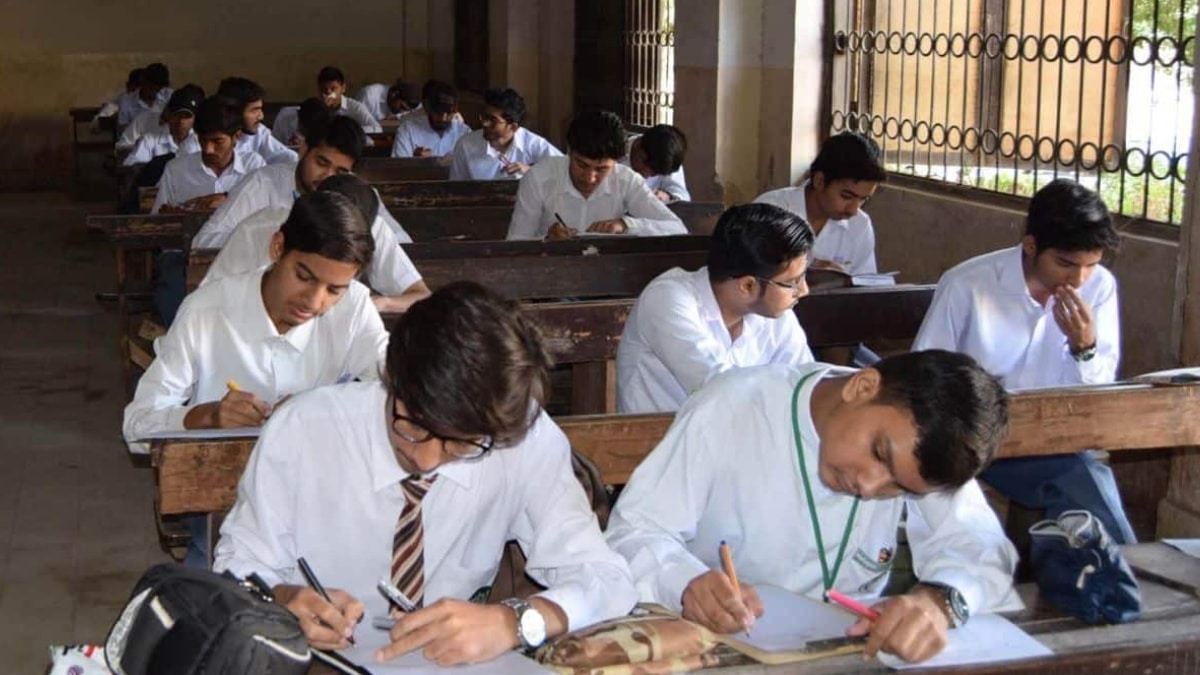
Educational resilience depends on structural efficiency and timely interventions for student progress. The Punjab Boards of Intermediate and Secondary Education (BISEs) have now calibrated the academic calendar by announcing the tentative schedule for the Matric Supplementary Exams. This strategic move ensures that students who did not meet the baseline requirements in the annual exams can quickly pivot toward academic recovery without losing a full year.
Strategic Timeline: Detailed Schedule for Matric Supplementary Exams
According to the newly released data, the Matric Supplementary Exams for both Class 9 and Class 10 students will likely commence on October 6, 2026. Consequently, this allows a narrow but precise window for students to refine their knowledge after the annual results. Furthermore, the boards have projected the following baseline dates for the preceding results:
- Class 10 Annual Results: Expected August 6, 2026
- Class 9 Annual Results: Expected September 2, 2026
- Supplementary Exam Start Date: October 6, 2026
While the schedule remains tentative, students must stay vigilant for the official notification from their respective BISEs. Therefore, precision in tracking these updates is essential for a successful admission process.
The Translation (Clear Context)
The “Supplementary” or “Second Annual” examination system serves as a catalyst for academic continuity. Rather than forcing students to wait an entire calendar year to retake failed subjects, the system provides a calibrated secondary window. Effectively, this means a student who fails in March can be fully caught up by November. The logic behind the tentative nature of the dates is to allow administrative flexibility for the nine different boards across Punjab to synchronize their logistics.
The Socio-Economic Impact
For the average Pakistani household, a failed academic year represents a significant financial and psychological burden. By streamlining the Matric Supplementary Exams, the state minimizes the “opportunity cost” for young learners. Consequently, students in both urban centers like Lahore and rural districts can maintain their trajectory toward higher education or vocational training. This efficiency directly impacts the national workforce pipeline, ensuring that thousands of students remain within the formal education system rather than dropping out due to academic delays.
The Forward Path (Opinion)
This development represents a Momentum Shift in Punjab’s educational management. By announcing these dates early, the BISEs are moving from reactive reporting to proactive planning. This structural precision allows students to begin their remedial studies the moment annual exams conclude, rather than waiting for result day. To further optimize this, the government should consider digitizing the supplementary admission process to ensure maximum accessibility for students in remote areas.








