
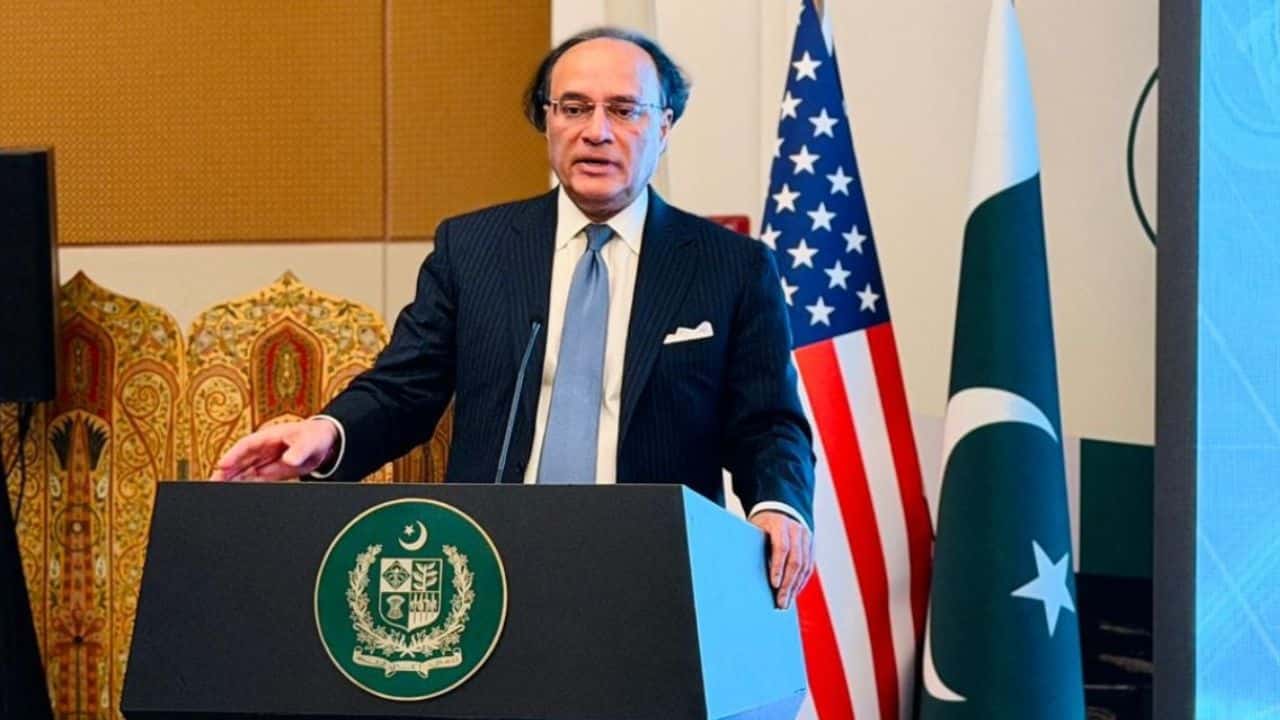
Pakistan is currently executing a calibrated recalibration of its fiscal architecture to ensure long-term systemic stability. Finance Minister Muhammad Aurangzeb recently confirmed that Pakistan’s debt growth has decelerated to its lowest level in approximately 15 years. During a high-level briefing with an S&P Global Ratings delegation, officials discussed the country’s improving macroeconomic outlook and structural reform progress. This development represents a significant baseline shift in the nation’s trajectory toward fiscal sustainability and renewed investor confidence.
Analyzing the Deceleration in Pakistan’s Debt Growth
The Ministry of Finance reported that macroeconomic fundamentals have improved significantly due to sustained fiscal consolidation and a resilient external sector. Consequently, the government has achieved record primary surpluses while actively managing liabilities through strategic debt buybacks. Moreover, the debt-to-GDP ratio continues to decline, reflecting a more disciplined approach to national borrowing and expenditure management. These indicators suggest that the “pro-growth” federal budget for FY2026-27 is effectively functioning as a catalyst for economic equilibrium.
Structural reforms under the IMF’s Extended Fund Facility (EFF) remain on track, with timely implementation of key measures reinforcing the sovereign credit profile. The government’s engagement with international partners, including the World Bank and Asian Development Bank, further supports this stabilization. Specifically, the lengthening of the maturity profile for domestic debt has reduced immediate repayment pressures, allowing for more predictable fiscal planning.
The “Situation Room” Analysis
The Translation (Clear Context)
In “Next Gen” terms, the government is essentially optimization the country’s credit card usage. Instead of rapidly accumulating high-interest debt, Pakistan is slowing down its borrowing pace to a rate not seen since the late 2000s. “Active liability management” means the state is paying off old, expensive debts and replacing them with more manageable, long-term options. This precision-driven approach reduces the “interest burden,” which previously consumed the majority of the national budget.
The Socio-Economic Impact
For the average Pakistani citizen, these technical benchmarks translate into a more stable cost of living. When Pakistan’s debt growth slows, the government reduces its reliance on printing money or heavy domestic borrowing, which are primary drivers of inflation. For students and young professionals, this fiscal discipline fosters a predictable environment for investment and job creation. Urban and rural households may eventually see the benefits through stabilized prices and increased public spending on infrastructure rather than debt servicing.
The Forward Path (Opinion)
This development represents a Momentum Shift. While the slowing of debt growth is a stabilization move, the record primary surpluses suggest a transition toward genuine economic growth. However, the mission remains critical; the government must now pivot from “slowing debt” to “generating wealth” through exported-oriented industries. If the current trajectory of structural reforms continues, Pakistan could finally break the cycle of perpetual borrowing and achieve true financial sovereignty.








