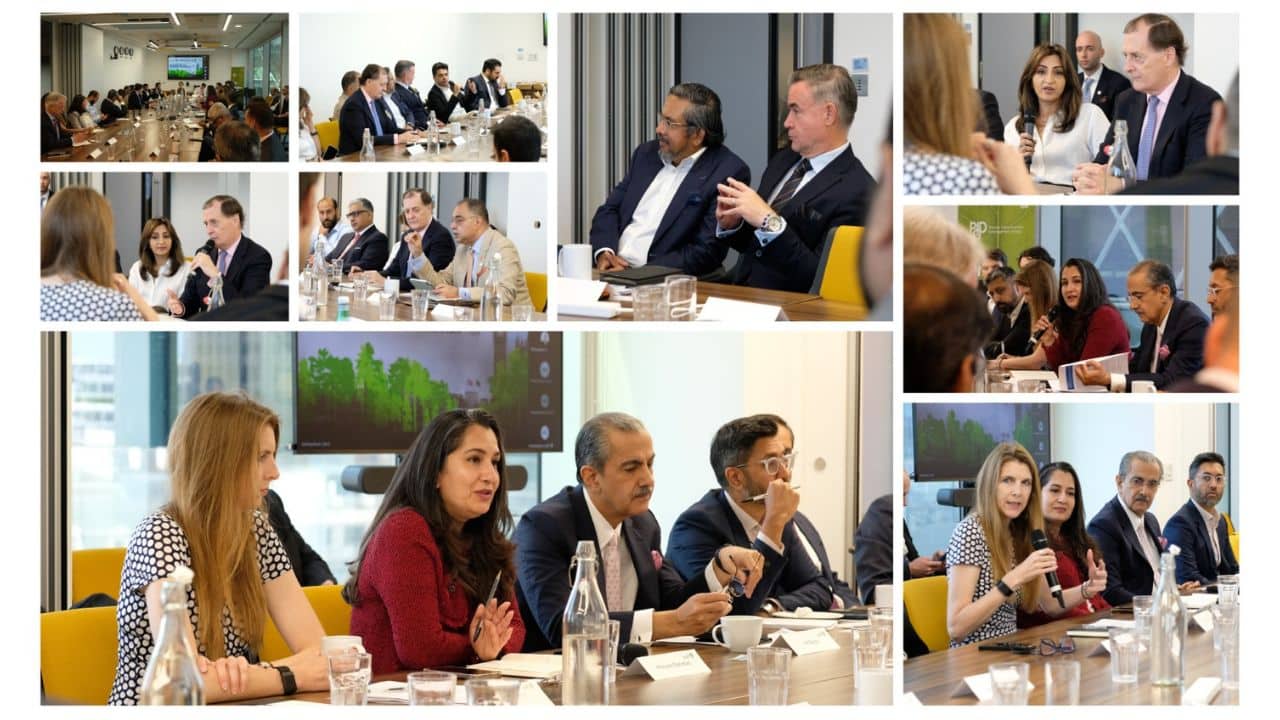
Pakistan’s path toward a green economy relies on a calibrated blend of international capital and local project execution. During London Climate Action Week 2026, InfraZamin Pakistan and the Private Infrastructure Development Group (PIDG) convened a strategic roundtable to scale the country’s sustainable transformation. This high-level forum brought together government officials, financial architects, and private investors to catalyze climate-resilient infrastructure across the nation.
The Translation: Scaling Sustainable Transformation Through Blended Finance
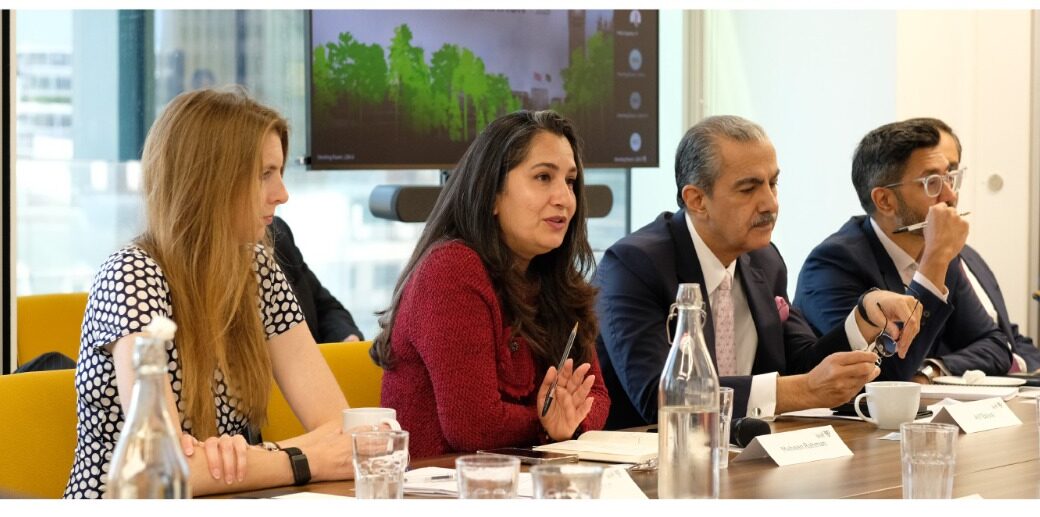
The roundtable, chaired by Maheen Rahman (CEO InfraZamin) and Philippe Valahu (CEO PIDG), dismantled the technical barriers to entry for global investors. By leveraging “Blended Finance”—the strategic use of development finance and philanthropic funds to mobilize private capital—the forum established a baseline for bankable projects. Consequently, the discussion moved beyond theory into the precision-driven identification of infrastructure gaps. Leaders like Her Excellency Jane Marriott and Zafar Masud emphasized that Pakistan is not just a climate-vulnerable nation but a high-potential frontier for sustainable growth.
Strategic Objectives for National Advancement
- Multistakeholder Task Force: Creating a coordinated platform to accelerate the identification and development of investable projects.
- Evidence-Based Intelligence: Strengthening market research to calibrate financing structures with actual risk-adjusted returns.
- Climate-Smart Agriculture: Scaling investments in resilient farming to secure the food supply chain and bolster economic stability.
- Policy Calibration: Strengthening regulatory frameworks to provide the predictability required by institutional investors.

The Socio-Economic Impact: Precision Benefits for Citizens
For the average Pakistani household, this sustainable transformation translates into systemic reliability. Investment in climate-resilient agriculture directly mitigates food price volatility caused by extreme weather events. Furthermore, the focus on sustainable infrastructure means modernized energy grids and transportation networks that are less prone to disruption. For students and young professionals, this influx of global capital acts as a catalyst for high-tech “green-collar” jobs, aligning Pakistan’s labor market with the global energy transition.
The Forward Path: A Strategic Momentum Shift
This development represents a clear Momentum Shift. Moving beyond traditional aid-based models, Pakistan is now positioning itself as a destination for sophisticated, private-sector-led climate investment. The commitment shown by Bank Alfalah, Acumen Funds, and PIDG suggests that the structural foundations for a greener economy are being laid. Success will now depend on the speed at which the proposed “investable pipeline” moves from the London boardroom to the Pakistani landscape. The focus remains on turning policy incentives into tangible, high-efficiency assets.