
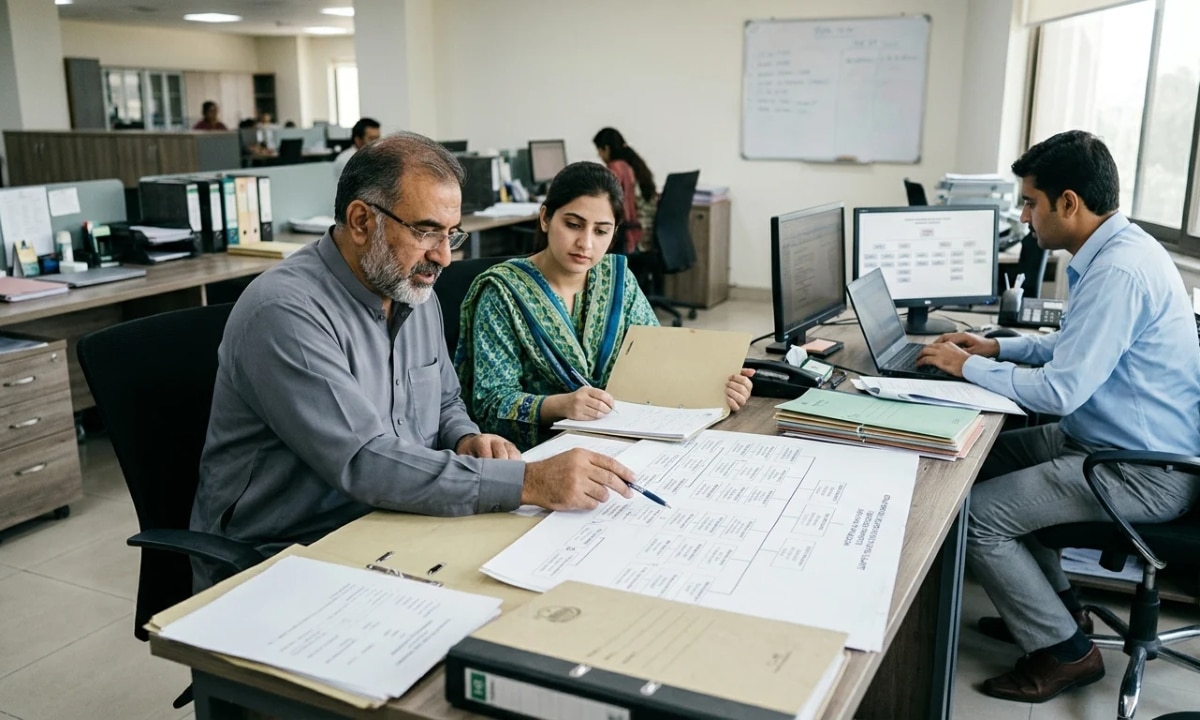
Systemic efficiency serves as the cornerstone of a functional state. The Punjab government has recently approved a calibrated Punjab administrative restructuring by transferring 6,553 employees from the Population Welfare Department to the Services and General Administration Department’s (S&GAD) surplus pool. This structural realignment represents a precision move toward workforce optimization across all 36 districts of the province.
Optimizing Human Capital: The Punjab Administrative Restructuring
Under this new framework, the government will adjust personnel from the Population Welfare Department into newly created positions. Consequently, the administration has issued formal orders to initiate the immediate reassignment of staff to a modernized administrative cadre. This shift ensures that the baseline of public service delivery remains robust while the state reorganizes its internal hierarchy.
Furthermore, officials confirmed that the transition will not jeopardize employee welfare. The government will maintain all salaries, service records, and employment matters under the revised structure. By centralizing these assets within the S&GAD surplus pool, the province aims to eliminate bureaucratic redundancies and catalyze a more responsive governance model.
The Translation: Decoding the Surplus Pool
In technical terms, a “surplus pool” is not a precursor to layoffs. Instead, it is a strategic staging area used during a Punjab administrative restructuring to reallocate human resources where they are most needed. By moving employees into this pool, the government can legally and logistically “reset” their roles, allowing for a more precise deployment into the new administrative setup without breaking their service continuity.
Socio-Economic Impact: What This Means for Citizens
For the average Pakistani household, this reorganization translates to better-managed public resources. When a department is streamlined, the delivery of essential services—such as family planning and maternal health—becomes more focused and less hindered by administrative bottlenecks. Specifically, for professionals within the civil service, this move signals a shift toward merit-based placement and a more organized career trajectory within the Punjab government.
The Forward Path: Momentum Shift or Stabilization?
This development represents a significant Momentum Shift. Rather than maintaining a stagnant status quo, the Punjab government is actively recalibrating its machinery to meet modern governance standards. While the transition phase requires careful management to prevent temporary service gaps, the long-term outlook suggests a more agile and lean provincial administration. This is a necessary catalyst for the systemic progress Pakistan requires.








