
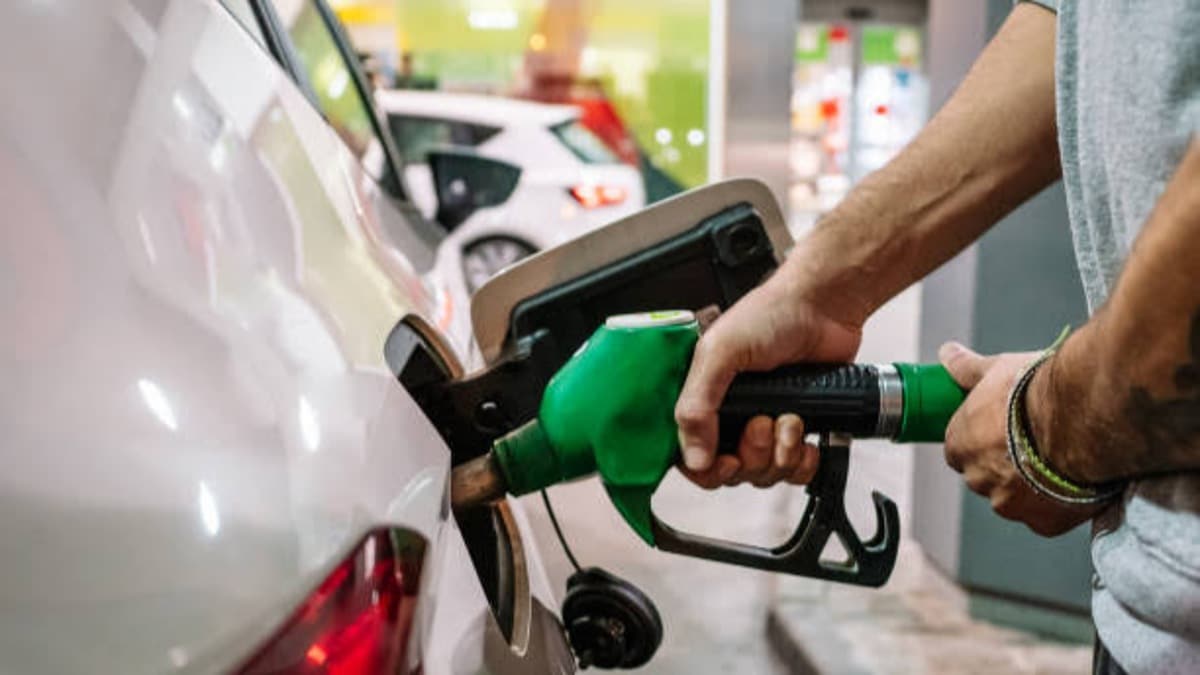
Pakistan fuel demand witnessed a significant structural shift in June 2026 as total petroleum sales plummeted by 20% year-on-year. Data from Arif Habib Limited confirms that Oil Marketing Companies (OMCs) recorded a baseline of 1.26 million tons, reflecting a calibrated contraction in national consumption patterns. This precision data highlights a cooling economy reacting to volatile pricing and shifting energy generation protocols.
The Data Baseline: Analysis of Pakistan Fuel Demand
The brokerage report identifies a sharp decline in the procurement of high-speed diesel (HSD) and motor spirit (MS). Specifically, diesel sales fell 20% to 500,000 tons, while petrol sales decreased by 11% to 650,000 tons. Furthermore, furnace oil (FO) demand cratered by 68%, reaching only 40,000 tons. This downward trend suggests a systemic reduction in industrial output and transport activity during the final quarter of the fiscal year.
Key Market Drivers and Consumption Shifts
- High-Speed Diesel (HSD): Demand dropped due to elevated domestic prices and the resurgence of cross-border fuel smuggling.
- Motor Spirit (MS): Petrol consumption slowed as households adjusted to the prevailing economic climate.
- Furnace Oil (FO): A pivot away from oil-fired power plants drastically reduced FO requirements for national grid stabilization.

The Translation: Contextualizing the Market Shock
The 20% year-on-year decline is not a random fluctuation; it is a direct consequence of a high-price environment and geopolitical instability. While the annual figures appear bleak, monthly data shows a 7% recovery from May 2026. This sequential growth suggests that consumers are highly sensitive to marginal price reductions in international crude oil. Consequently, the market is currently in a state of high elasticity, where demand is strictly tethered to cost-efficiency and regional security.
Socio-Economic Impact: Precision at the Household Level
This contraction in Pakistan fuel demand directly affects the cost of logistics for every citizen. Since high-speed diesel powers the heavy transport sector, reduced demand often signals a slowdown in the movement of agricultural and industrial goods. Consequently, this can lead to inflationary pressures on essential items. For urban households, the 11% drop in petrol sales reflects a strategic reduction in non-essential travel, illustrating a tightening of the domestic belt.
The Forward Path: Momentum Shift or Stabilization?

We categorize this development as a Stabilization Move. Despite the sharp June crash, total fiscal year sales remained broadly unchanged at 16.19 million tons. Pakistan State Oil (PSO) continues to command a 57% market share, acting as a catalyst for industrial continuity. Moving forward, the national strategy must focus on mitigating smuggling and diversifying energy sources to protect the economy from external geopolitical shocks like the Iran-Israel conflict. Structural resilience is now the primary priority for our energy sector.








