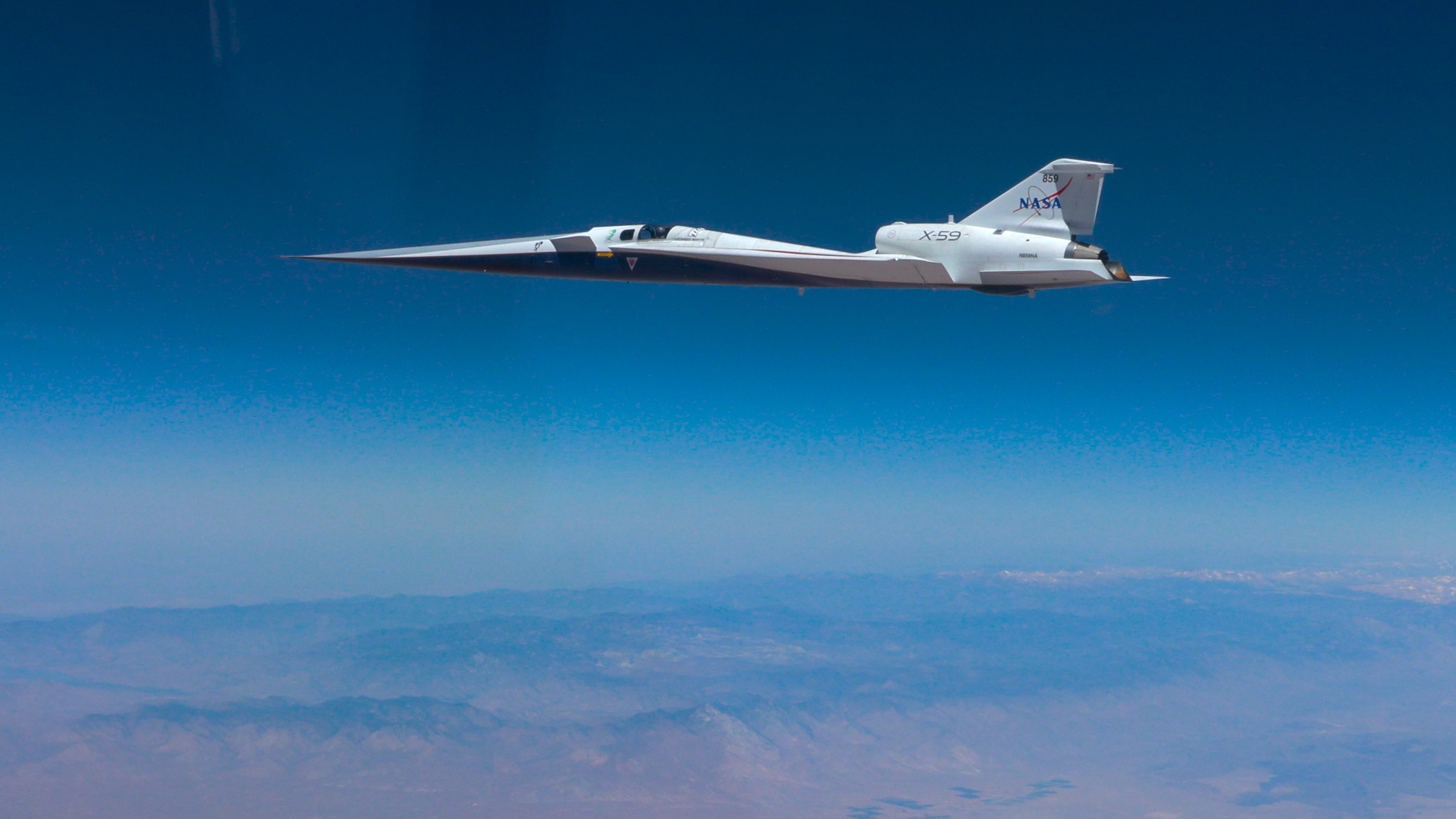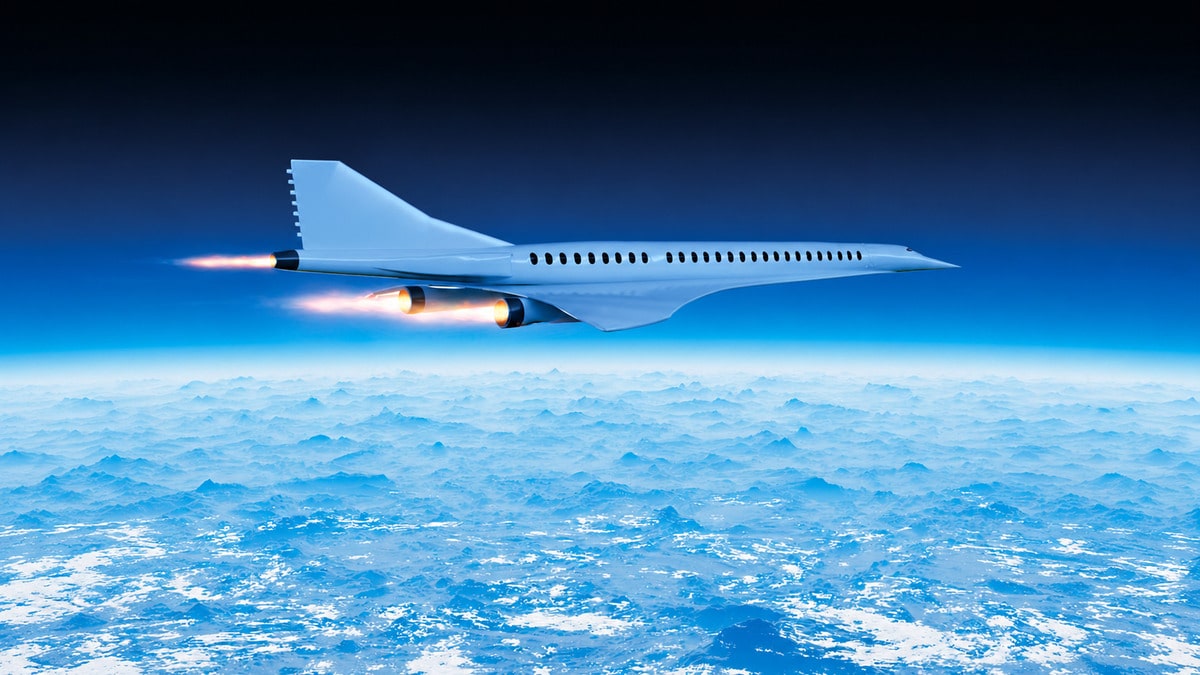
The global aviation landscape is approaching a calibrated transition point as the US Federal Aviation Administration (FAA) prepares to reintroduce supersonic commercial flights. By replacing the rigid 1973 ban on civilian supersonic travel over land with a precision-based noise standard, the FAA is effectively removing a decades-old structural barrier to innovation. This strategic regulatory shift aims to authorize aircraft to exceed Mach 1, provided they operate within strictly defined acoustic parameters, with final implementation projected for 2027.
The Translation: From Absolute Bans to Precision Acoustics
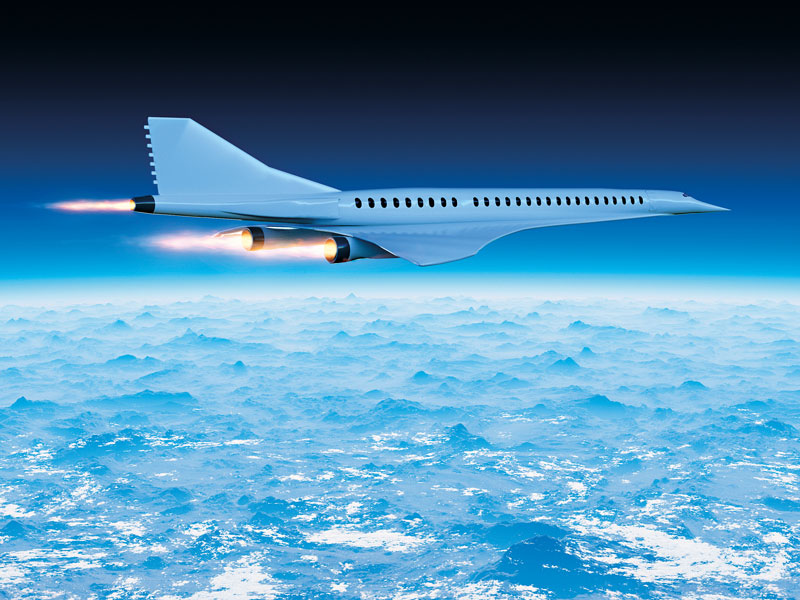
In the “Next Gen” context, this development signifies a move from binary restrictions to performance-based engineering. Historically, the 1973 ban was a blunt instrument used to stop the disruptive shock waves known as “sonic booms.” However, modern aerospace architecture has evolved significantly. Consequently, the FAA is now shifting its focus toward noise-level metrics rather than speed-level restrictions. This allows companies like Boom Supersonic and Spike Aerospace to deploy a new generation of aircraft that mitigate acoustic impact while maintaining high-velocity efficiency.
Calibrating the Future of Supersonic Commercial Flights
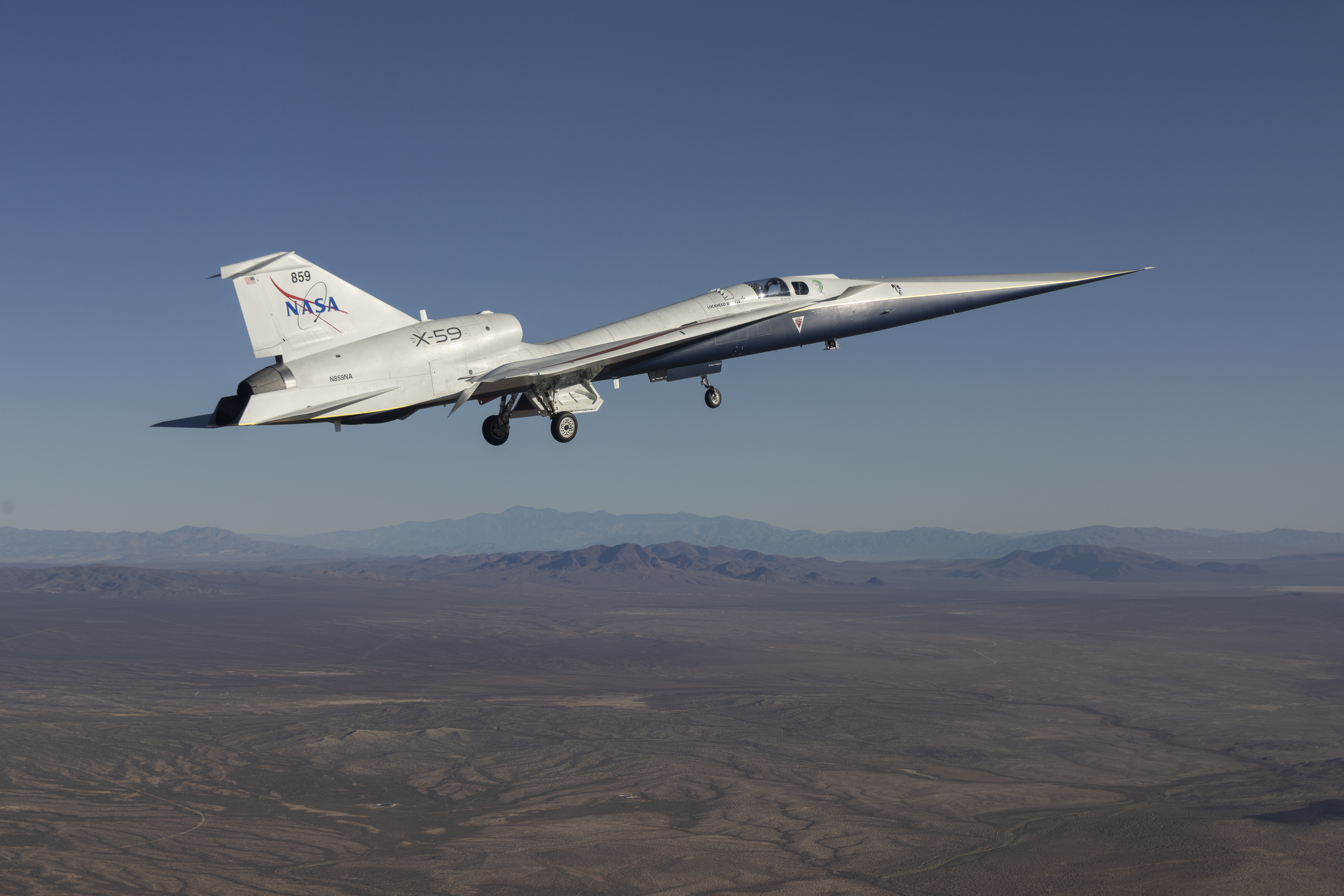
FAA Administrator Bryan Bedford recently emphasized that technological catalysts are now capable of suppressing the traditional sonic boom. Through advanced aerodynamic shaping, engineers can now ensure that supersonic shock waves dissipate before reaching the ground. This precision allows the agency to repeal outdated laws while protecting the acoustic integrity of communities near airports and flight corridors.
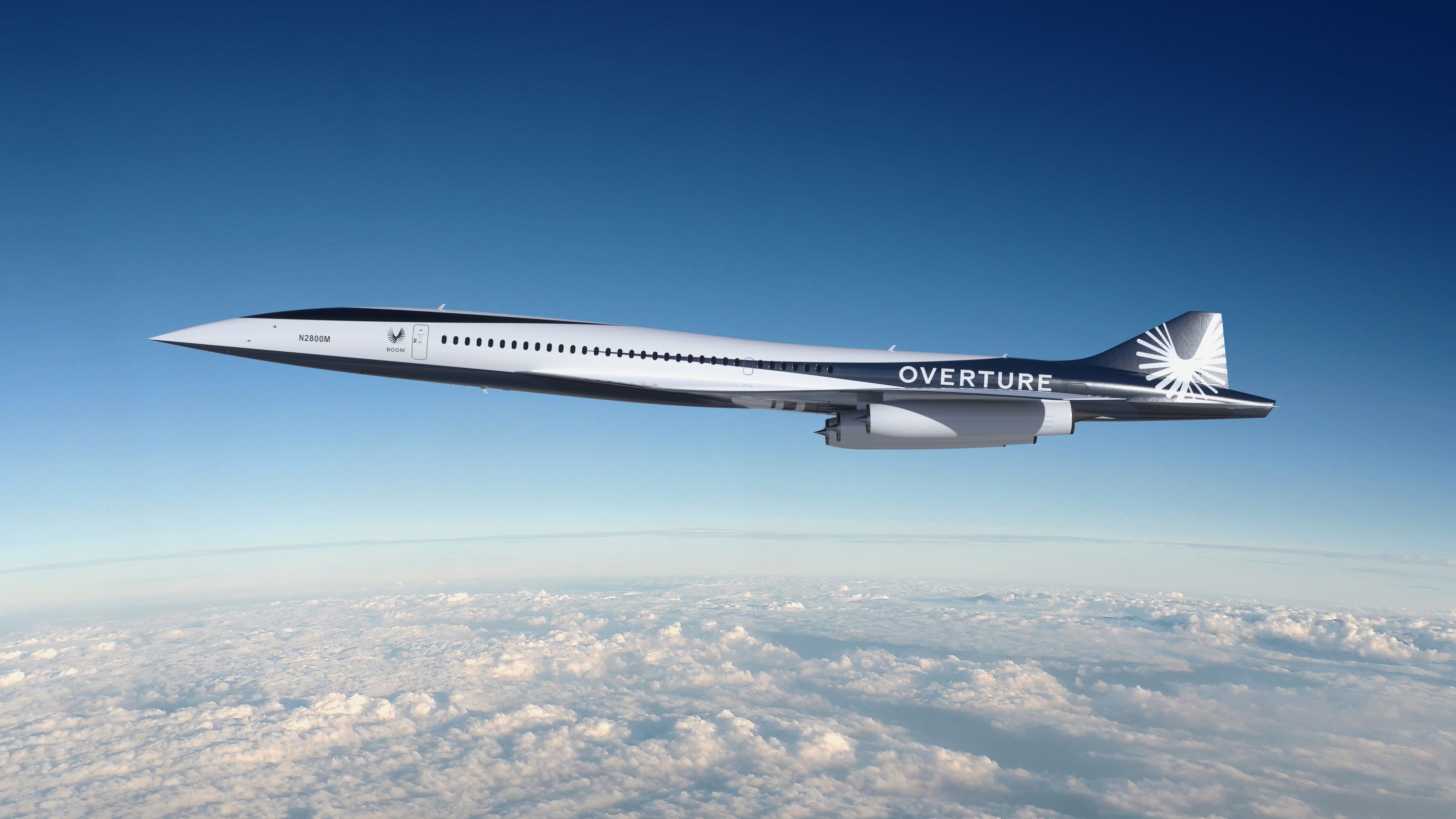
- Boom Supersonic: Currently developing the “Overture” aircraft, which is designed to transport 60 to 80 passengers.
- Spike Aerospace: Engineering “The Diplomat,” a smaller, high-efficiency jet for up to 18 passengers.
- Global Efficiency: Both firms estimate that future transatlantic flight times will be reduced to less than four hours.
The Socio-Economic Impact on Pakistan
How does this shift affect the daily life of a Pakistani citizen or professional? Primarily, this development represents a massive leap in human capital mobility. For Pakistani entrepreneurs, researchers, and families in the diaspora, the normalization of supersonic commercial flights will eventually compress the distance between South Asia and global innovation hubs. Reduced travel times translate directly into higher systemic efficiency, allowing for more frequent high-level collaboration and rapid response in international trade. As these technologies scale, we expect a secondary effect of driving down costs for high-speed logistics, benefiting Pakistan’s export sectors.
Understanding the Historical Baseline
The 1973 ban was primarily a response to property damage and public distress caused by the atmospheric shock waves of early supersonic jets. During 1960s experiments, repeated sonic booms shattered windows and generated thousands of formal complaints. Even the legendary Concorde, operated by British Airways and Air France, was forced to remain subsonic over US soil, limiting its profitability to a single New York-London route. Furthermore, the Concorde’s reliance on older, fuel-intensive engines made it economically unsustainable for the mass market.
The Forward Path: A Momentum Shift
This regulatory update represents a significant Momentum Shift. We are moving beyond the stabilization of the current aviation model into a proactive expansion phase. By 2027, the baseline for international travel will undergo a structural upgrade. For Pakistan to remain competitive, we must monitor these advancements and prepare our domestic aviation infrastructure for the arrival of quieter, faster, and more efficient supersonic transport. The “Architectural” future of flight is no longer about just staying in the air; it is about reclaiming time through precision engineering.