

Pakistan recently achieved a calibrated structural milestone as 52 institutions secured positions in the Sustainability Impact Rankings 2026. Notably, the University of Lahore made history by entering the global top 100, ranking 71st overall. This significant inclusion signals a strategic shift toward global academic competitiveness and environmental stewardship within our higher education ecosystem. The Times Higher Education (THE) ratings evaluated 1,646 universities across 116 countries, measuring their precision in meeting the United Nations Sustainable Development Goals (SDGs).
Decoding the Sustainability Impact Rankings Data
The latest 2026 data confirms that Pakistan is now among the nine global leaders with more than 50 institutions represented in these rankings. Specifically, several institutions showed remarkable progress. Khawaja Fareed University of Engineering and Information Technology, MNS University of Agriculture Multan, and Superior University all secured places in the 301–400 band. Consequently, these results highlight a systemic catalyst for research, stewardship, and outreach throughout the nation.
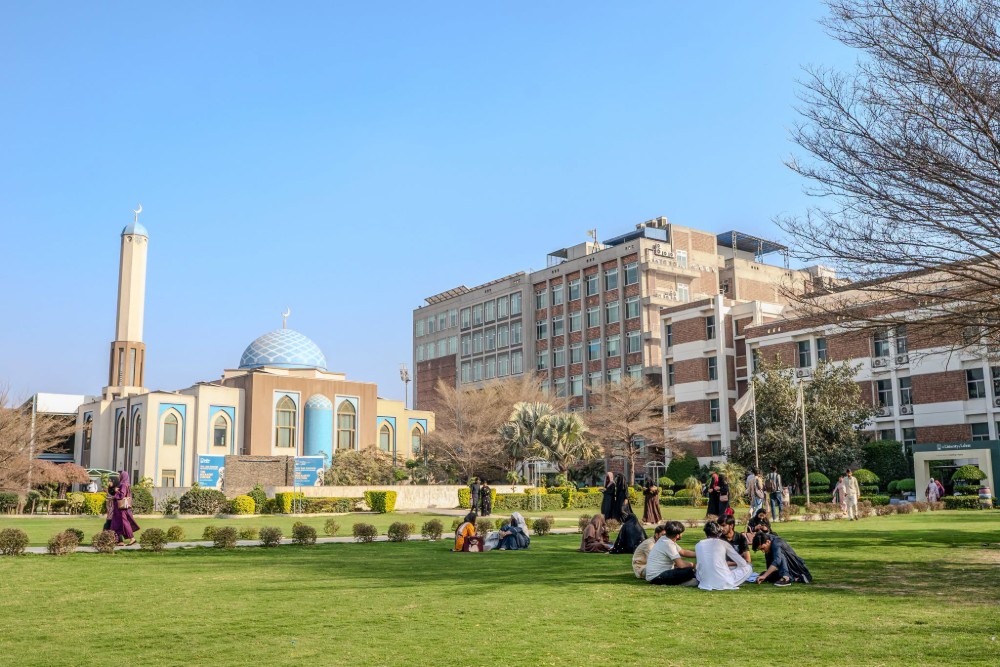
The rankings assess performance based on SDG 17 (Partnerships for the Goals) and at least three other SDGs. While the University of Manchester and Griffith University led the global baseline, Pakistan’s performance indicates a growing momentum. Furthermore, the inclusion of medical, engineering, and arts universities shows a diversified approach to national advancement.
Full List: Pakistani Universities in THE Sustainability Impact Ratings 2026
| Ranking Band | University |
|---|---|
| Top 100 | University of Lahore |
| 301–400 | Khawaja Fareed University of Engineering and IT, MNS University of Agriculture, Superior University |
| 401–600 | Iqra University, Liaquat University of Medical and Health Sciences, NED University, University of Education Lahore, University of Faisalabad, University of Kotli (AJK), University of Poonch, University of Wah, Women University of AJK |
| 601–800 | Air University, Bahria University, Dow University, Foundation University, GIK Institute, GC Women University Sialkot, Rawalpindi Medical University, The Islamia University of Bahawalpur, The Women University Multan, University of Central Punjab, University of Gujrat, UVAS Lahore, Ziauddin University |
| 801–1000 | Bahauddin Zakariya University, Fatima Jinnah Medical University, Minhaj University, Quaid-i-Azam University, SZABMU, Shifa Tameer-e-Millat University, Sukkur IBA, UMT |
The Translation
These rankings move beyond traditional academic prestige. Instead, they measure how effectively a university solves real-world problems like poverty, climate change, and inequality. For Pakistan, having 52 universities listed means our institutions are no longer just “teaching centers.” They are becoming active laboratories for national problem-solving and sustainable development.
The Socio-Economic Impact
This development directly benefits Pakistani students and professionals. High rankings improve the global “brand value” of a Pakistani degree, making it easier for graduates to secure international employment and scholarships. Furthermore, this focus on sustainability attracts foreign research grants and investment into local infrastructure, ultimately stabilizing the academic economy for urban and rural households alike.
The Forward Path
This is a clear Momentum Shift. Moving from basic participation to having an institution in the Global Top 100 represents a strategic breakthrough. To maintain this trajectory, Pakistan must now focus on precision research and deeper industry-academic partnerships. We have established the baseline; now we must calibrate for the top 50.








