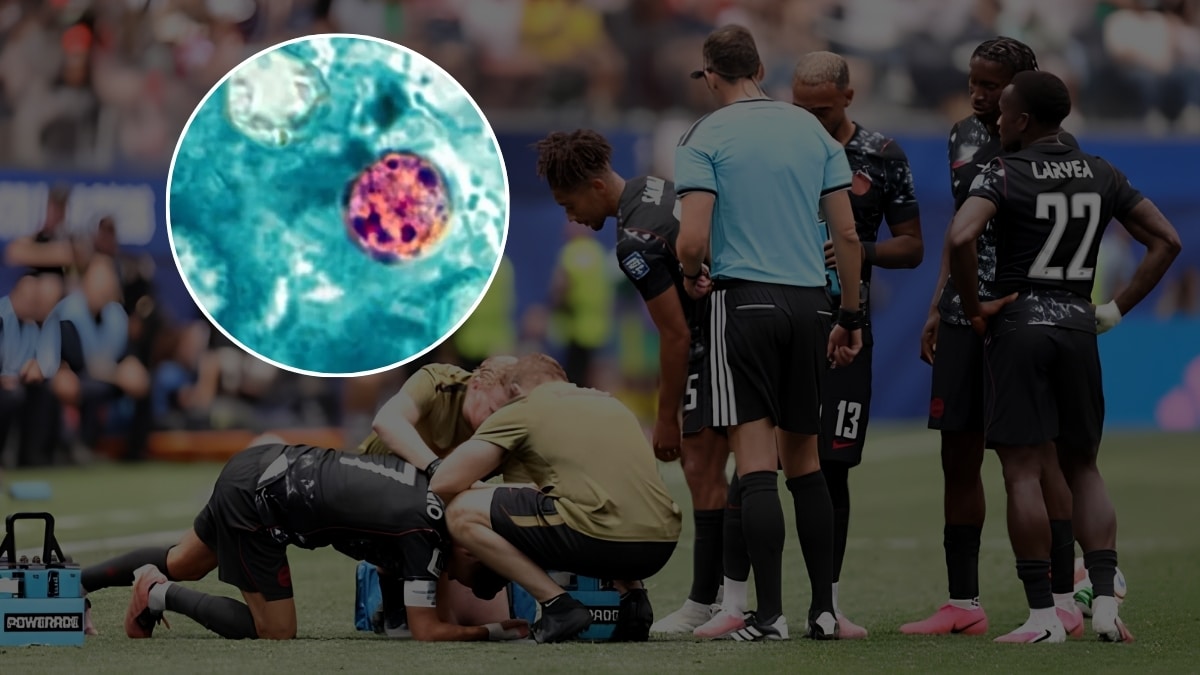
As the United States hosts the prestigious FIFA World Cup 2026, a significant Cyclospora parasite outbreak has emerged as a critical challenge for public health infrastructure. Currently, health officials report over 140 infections across 20 states, highlighting vulnerabilities in food supply chains during large-scale international events. While athletic precision dominates the field, biological precision is now required in diagnostic laboratories to contain this intestinal illness effectively. Consequently, the Centers for Disease Control (CDC) is intensifying its surveillance to safeguard both citizens and international fans.
Structural Analysis of the Cyclospora Parasite Outbreak
The outbreak involves Cyclospora cayetanensis, a microscopic parasite that triggers severe intestinal distress. Between May and mid-June 2026, exactly 145 individuals ranging from ages 5 to 86 tested positive. Furthermore, 20 patients required hospitalization to manage severe dehydration and complications. Although no fatalities have occurred, the geographic spread is extensive. New York currently serves as the epicenter, yet infections have reached as far as Texas, Illinois, and Alaska.

Health authorities believe the infection vector is contaminated food rather than international travel. This shift is significant because such parasites typically originate in tropical climates. Historically, similar incidents have been linked to fresh produce, including:
- Cilantro and Basil: High-risk herbs often served raw.
- Mesclun Lettuce: Frequently used in stadium catering.
- Raspberries and Sweet Peas: Common ingredients in hospitality suites.
The Translation: De-coding the Biological Threat
In simple terms, the Cyclospora parasite outbreak is not a viral “stomach bug” but a protozoan infection that hitches a ride on fresh produce. Unlike bacteria that might be killed by quick rinsing, these parasites possess a protective shell that makes them resilient. When ingested, they anchor in the small intestine, leading to “explosive” symptoms after a one-week incubation period. This precision-based biological mechanism requires specific antibiotic treatment—trimethoprim-sulfamethoxazole—rather than standard over-the-counter medicine.

The Socio-Economic Impact: Daily Life and the Global Stage
This development directly impacts the daily lives of thousands of Pakistani students and professionals currently residing in or visiting the US for the World Cup. Beyond the physical toll, there is a clear economic cost associated with medical consultations and lost productivity. For the average household, this necessitates a calibrated approach to food consumption. Consequently, the reliance on raw “ready-to-eat” salads at public venues now carries a baseline risk that could disrupt travel plans and financial stability during the tournament season.

The Forward Path: Strategic Momentum
In my expert assessment, this situation represents a Stabilization Move. While the timing during the World Cup is unfortunate, the rapid detection and reporting by the US healthcare system demonstrate a robust surveillance baseline. To maintain momentum toward a safer digital and physical frontier, we must advocate for enhanced blockchain-based food traceability. This would allow authorities to pinpoint contaminated batches in real-time, preventing large-scale disruptions to our global cultural milestones.