
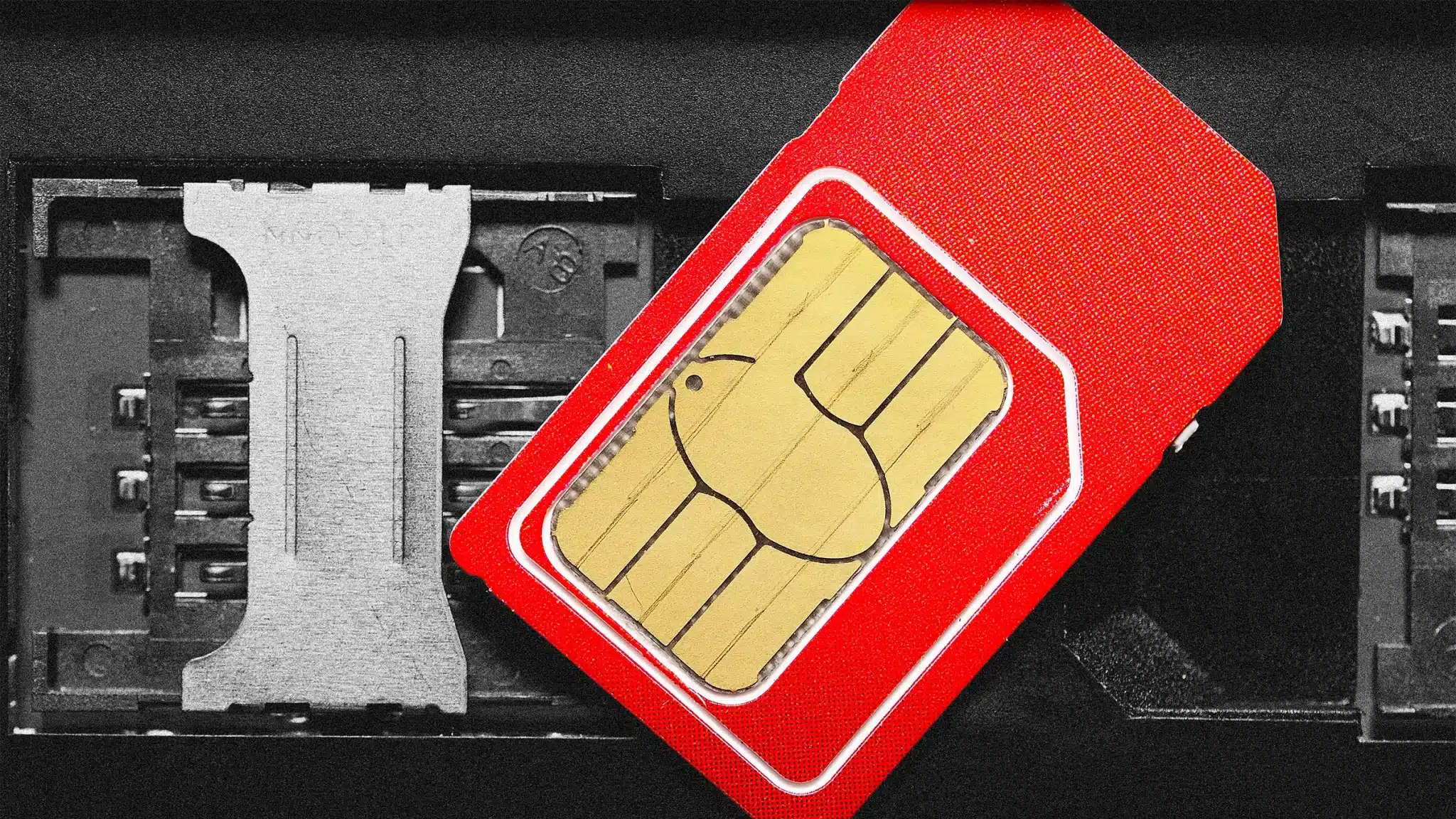
The Pakistan Telecommunication Authority (PTA) has initiated a strategic protocol to enforce a PTA SIM blockage for any mobile connections registered against expired, cancelled, or invalid Computerized National Identity Cards (CNICs). This regulatory measure serves as a catalyst for data integrity, ensuring that every active subscriber in the national grid is linked to a valid and verifiable identity. Consequently, users who fail to calibrate their records with current NADRA documentation face immediate suspension of cellular services.
The Translation: Aligning Identity with Connectivity
In technical terms, the PTA is synchronizing the national telecommunications database with NADRA’s live registry. When a CNIC expires, the legal “Digital Twin” of the citizen becomes invalid, which triggers a system-level mismatch. By mandating this update, the regulator is shifting from a passive record-keeping system to an active validation model. Users must realize that a renewed CNIC does not automatically update their mobile operator’s database; a manual verification step is required to maintain the baseline of their connectivity.
Calibrating the System: Avoiding a PTA SIM Blockage
To prevent a disruption in service, subscribers must follow a precise sequence of actions. Furthermore, the PTA has urged all citizens to visit their respective mobile network operators (MNOs) immediately after obtaining a renewed identity card. This ensures that the biometric and alphanumeric data remains accurate within the operator’s infrastructure. Only SIMs registered against valid and verifiable CNICs will remain operational in the current regulatory environment.
The Socio-Economic Impact
This move significantly affects the daily life of the average Pakistani citizen, particularly those reliant on digital banking and mobile-wallet ecosystems. A suspended SIM means a loss of access to OTPs (One-Time Passwords), effectively freezing financial transactions for students and professionals alike. In rural areas, where mobile connectivity is the primary bridge to the economy, an expired CNIC could lead to total digital exclusion. Therefore, maintaining valid identification is no longer just a legal formality but a structural necessity for economic participation.
The Forward Path: Momentum Shift
This development represents a Momentum Shift toward a more secure and transparent digital frontier for Pakistan. While it imposes a temporary administrative burden on the public, the structural benefits of a “clean” subscriber base are undeniable. It reduces the risk of identity theft and limits the operational capacity of unregistered actors. For Pakistan to progress into a high-efficiency digital state, the precision of our identity databases must be absolute. We view this as a necessary calibration of our national security architecture.








