
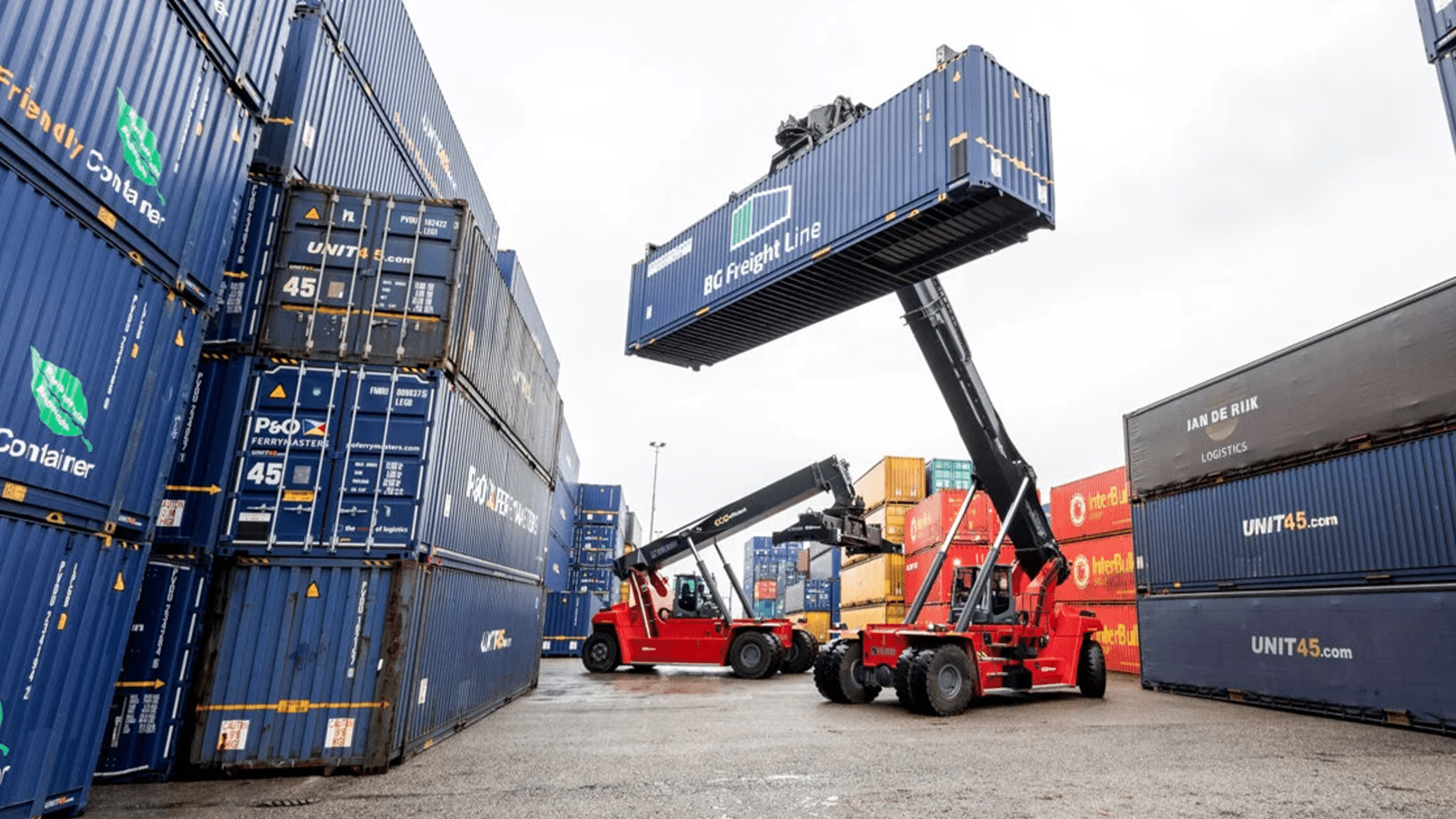
A nation’s economic vitality is calibrated by its maritime throughput. Consequently, the latest Karachi Port record achievement of 54.685 million tons marks a precision milestone in Pakistan’s trade history. The Karachi Port Trust (KPT) has shattered its previous 138-year benchmarks, signaling a structural shift in regional logistics capability and systemic efficiency.
Breaking the 138-Year Threshold
Federal Minister for Maritime Affairs Junaid Anwar Chaudhry recently confirmed that KPT surpassed all previous cargo handling metrics. This surge is not merely a statistical anomaly but the result of a calculated effort to modernize port infrastructure. The government is currently executing reforms designed to transform Pakistan into a primary maritime gateway. These strategic upgrades focus on improving logistics and attracting foreign investment to ensure the Karachi Port record remains a baseline for future growth.
Strategic Infrastructure and Operational Calibration
Chairman KPT Admiral Shahid Ahmed credited the record to enhanced operational efficiency and administrative precision. By upgrading handling capacity, the port has improved its competitive standing among regional peers. Future measures aim to strengthen this trajectory, ensuring that Karachi remains a dominant maritime gateway for Central and South Asian trade corridors.
The Translation: Deciphering the Cargo Spike
In technical terms, the jump to 54.685 million tons reflects an increase in “berth productivity”—the speed at which ships are loaded and unloaded. This indicates that KPT has successfully reduced “vessel turnaround time.” For the average citizen, this means the port is processing more goods in less time. This efficiency reduces the cost of doing business and minimizes the bottlenecks that often lead to price hikes in imported essential commodities.
The Socio-Economic Impact: What This Means for You
- Lower Import Costs: Faster port processing reduces shipping surcharges, which can lead to more stable prices for imported electronics, fuel, and raw materials.
- Job Creation: Increased cargo volume necessitates a larger workforce in the logistics, trucking, and warehousing sectors, providing high-density employment opportunities.
- Global Competitiveness: For Pakistani entrepreneurs, a more efficient port means their products reach international markets faster, boosting the potential for export-led growth.
The Forward Path: Expert Perspective
This development represents a Momentum Shift. Moving 54.685 million tons in a single year demonstrates that Pakistan’s maritime infrastructure can handle high-intensity global trade. However, to maintain this progress, the focus must now shift from record-breaking volume to technological integration. Precision automation and AI-driven logistics will be the next catalysts required to secure Karachi’s position as a regional trade nucleus.








