
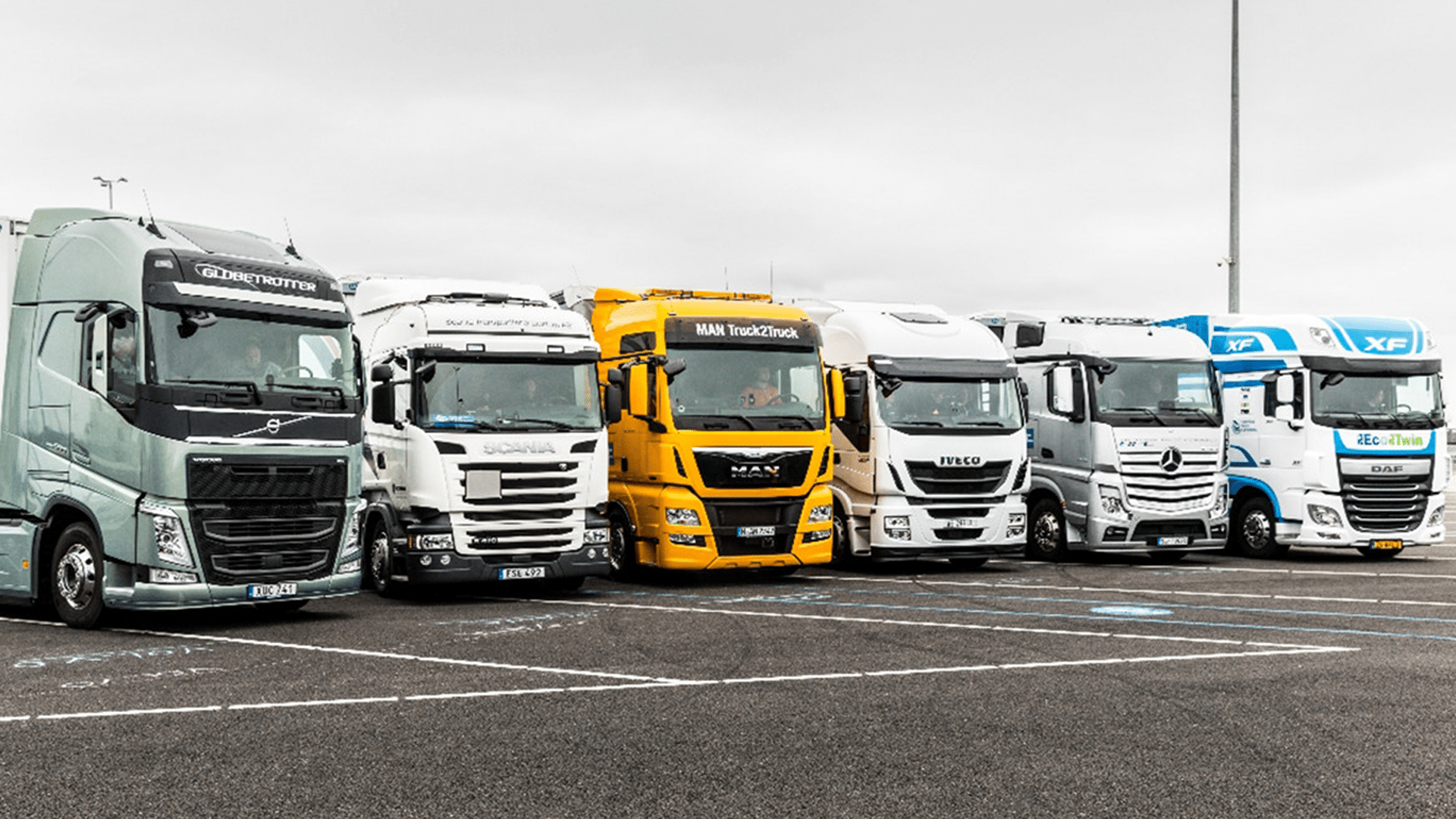
Pakistan’s transport infrastructure is undergoing a structural transformation as heavy vehicle imports surged by 354% year-on-year, reaching a record $262.4 million in the first 11 months of FY2025-26. This trajectory, driven by calibrated fiscal incentives and lowered interest rates, signifies a massive capacity expansion within the logistics sector. Consequently, the industry is moving past the stagnation of previous years to establish a new high-water mark for commercial mobility.
Decoding the Surge: The Logic of Fleet Expansion
State Bank of Pakistan (SBP) data confirms that imports of completely built-up (CBU) buses and trucks have shattered previous records. While the previous peak in FY22 stood at $177.1 million, the current fiscal year reflects a high-velocity recovery from last year’s baseline of $57.8 million. Strategic fleet expansion by private enterprises serves as the primary catalyst for this growth. Topline Securities identifies this as a direct response to rising economic activity and improved business confidence. Essentially, the machinery for national trade is being modernized at scale to meet future demand.
The Translation: Clear Context
We are witnessing a precision-led shift in how Pakistan moves goods and people. In simpler terms, the massive increase in heavy vehicle imports indicates that businesses are no longer in “survival mode.” By investing in CBU (completely built-up) units, transport companies are rapidly deploying assets to avoid the wait times of local assembly. This surge was further accelerated by the following factors:
- Calibrated Financing: Lower interest rates have drastically reduced the cost of borrowing for commercial fleets.
- Policy Incentives: Government measures have streamlined the entry of high-capacity vehicles.
- Logistics Demand: A revitalized freight industry requires modern, fuel-efficient engines to maintain competitive margins.
The Socio-Economic Impact
How does this change the daily life of a Pakistani citizen? First, it stabilizes the national supply chain. More trucks mean more efficient movement of goods, which eventually lowers the cost of essential commodities by reducing “last-mile” friction. For the urban commuter, the influx of modern buses suggests a transition toward safer and more reliable public transport systems. Furthermore, this surge creates a ripple effect in the labor market, generating employment for drivers, technicians, and logistics managers while signaling to international investors that Pakistan’s commercial arteries are reopening.
The Forward Path: Strategic Opinion
From an architectural perspective, this development represents a clear Momentum Shift. We have transitioned from a stabilization phase—characterized by import restrictions—into a phase of structural expansion. While the reliance on CBU units impacts foreign exchange reserves, the immediate efficiency gains for the economy are undeniable. To ensure this progress is sustainable, the next strategic move must involve transitioning this demand toward local assembly (CKD) to foster a self-reliant automotive ecosystem.








