
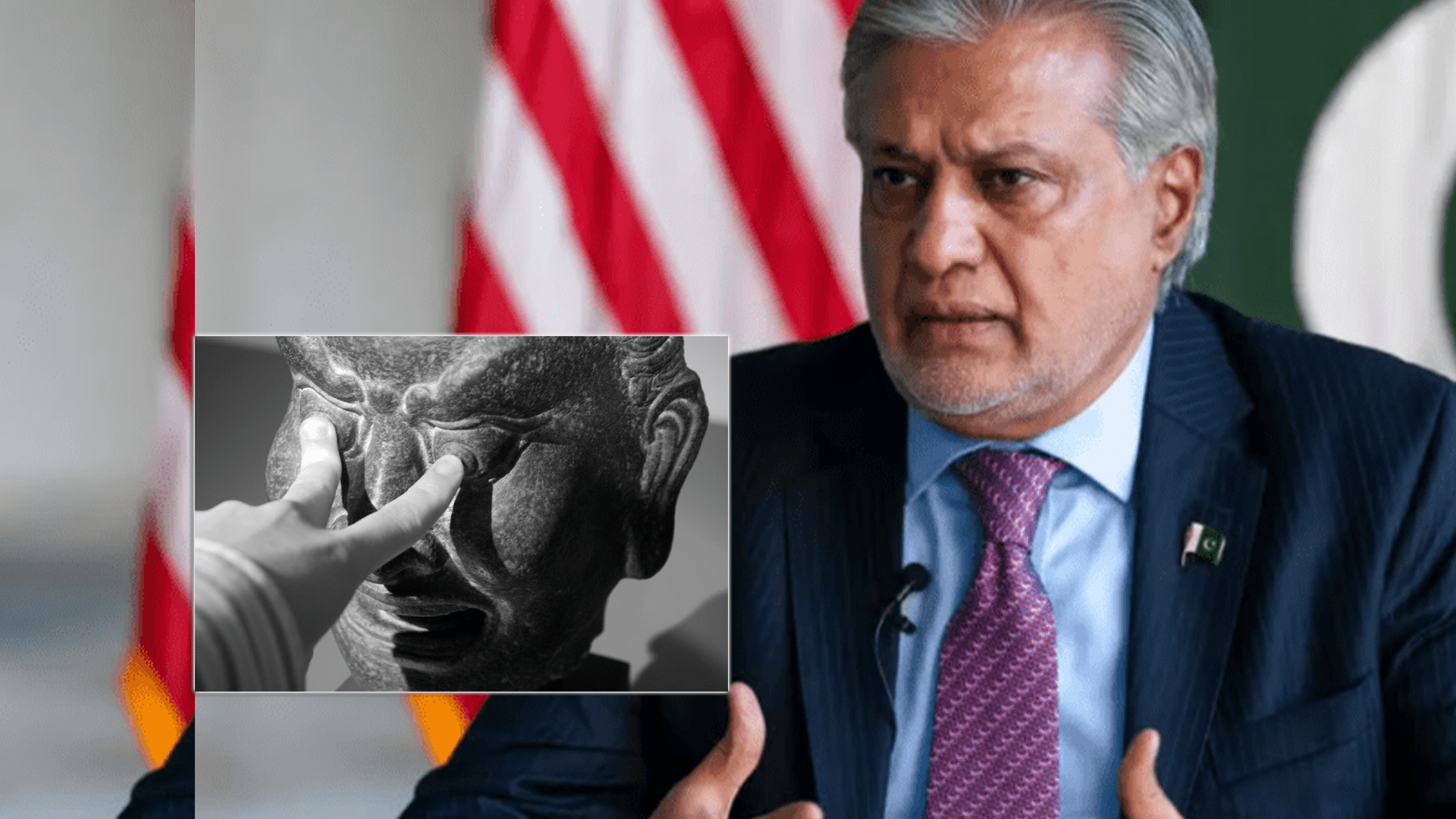
Pakistan aims to achieve Pakistan’s Economic Power status as a core national objective, according to Deputy Prime Minister Ishaq Dar. Speaking in Lahore, Dar emphasized that the nation’s survival depends on structural resilience and calibrated diplomacy. He warned that any external aggression targeting the state would meet a fierce response, underscoring a baseline of zero tolerance for regional interference.
Achieving Pakistan’s Economic Power through Global Mediation
Furthermore, the Foreign Minister highlighted Pakistan’s recent role as a strategic facilitator between the United States and Iran. This intervention successfully reopened communication channels between Washington and Tehran after decades of diplomatic stagnation. Consequently, Pakistan has positioned itself as a catalyst for regional stability, adhering strictly to the UN Charter and respecting the sovereignty of all nations.
During the recent escalation of tensions, Pakistan condemned attacks on Iranian territory immediately. This stance reflects a precision-driven foreign policy focused on maintaining a balanced regional ecosystem. Prime Minister Shehbaz Sharif and Field Marshal Syed Asim Munir received specific credit for coordinating these delicate diplomatic maneuvers.
Fiscal Stabilization and Public Relief
Regarding the domestic front, Dar noted that the current administration successfully stabilized a struggling economy inherited from previous cycles. The federal budget now includes targeted relief for salaried professionals and the business sector. This calibrated fiscal approach aims to provide a baseline for sustainable growth and long-term industrial productivity.

The Situation Room Analysis
The Translation (Clear Context)
The Foreign Minister’s rhetoric signals a calibrated shift toward assertive diplomacy. By using high-stakes language, the state establishes a baseline of non-negotiable sovereignty. Simultaneously, the mediation efforts between the US and Iran position Pakistan as a structural pivot in Middle Eastern stability, moving beyond simple bilateralism into the role of an international facilitator.
The Socio-Economic Impact
Stabilizing the economy directly impacts the baseline cost of living for urban households across Pakistan. Specifically, the relief provided to salaried individuals serves as a catalyst for consumer spending. For the average citizen, this shift represents a transition from economic survival to a more predictable financial environment, though long-term precision in policy execution remains vital.
The Forward Path (Opinion)
This development represents a Momentum Shift. Moving from reactive economic management to active regional mediation and planned fiscal relief suggests the state is reclaiming its strategic agency. To maintain this trajectory, Pakistan must continue to integrate its security apparatus with its economic goals, ensuring that national defense serves as the protective shell for industrial expansion.








