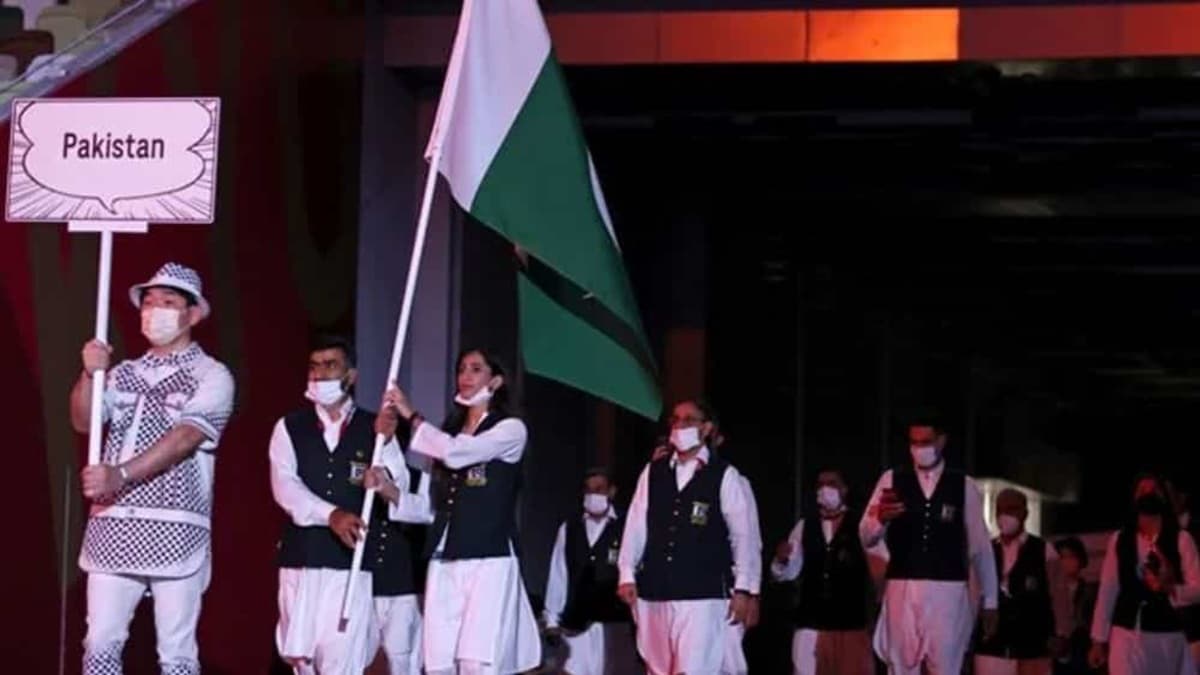
National advancement relies heavily on the strategic allocation of human capital and resource precision. Recently, the Pakistan Sports Board (PSB) recalibrated the Asian Games squad, reducing the contingent from 123 members to just 80. Consequently, this sudden reduction occurs less than three months before the Nagoya event begins in Japan. This structural shift has left elite athletes in a state of professional limbo after they had already committed to full-scale training protocols based on earlier official clearances.
The Impact of Reducing the Asian Games Squad
The Pakistan Olympic Association (POA) had previously secured accreditation for the full 123-member list. However, a letter issued on June 17 effectively withdrew financial support for dozens of coaches and support staff. This decision fundamentally disrupts the preparation baseline for disciplines that have historically served as a catalyst for Pakistan’s international prestige. Athletics, the nation’s most successful discipline with 39 total medals, saw its supported roster slashed from twelve athletes to six. Furthermore, sports like boxing, wrestling, and squash face similar tactical constraints despite their proven track record of securing silverware.
The Situation Room Analysis
The Translation
The current friction between the PSB and national federations highlights a misalignment in administrative planning. While the initial January directive authorized full-scale preparation, the June retraction indicates a failure to align budgetary constraints with long-term athletic development. In contrast to a calibrated rollout, this late-stage withdrawal creates a systemic inefficiency that compromises months of specialized physical conditioning and mental preparation.
The Socio-Economic Impact
For the Pakistani citizen, sports represent one of the few remaining avenues for global upward mobility and national soft power. These cuts directly impact the household stability of professional athletes who rely on state support to maintain their high-performance regimens. When we reduce our presence at the Asian Games, we diminish the inspiration for youth in urban and rural areas to pursue excellence. Strategically, this move reduces the potential for brand Pakistan to secure international recognition and economic interest through sporting success.
The Forward Path
This development represents a Stabilization Move executed with poor timing. While fiscal discipline is necessary for national efficiency, cutting resources mid-cycle causes a momentum crash. To restore progress, Pakistan must establish a multi-year funding baseline that remains immune to eleventh-hour administrative shifts. Our athletes require a predictable environment to compete at the highest level of global precision.